
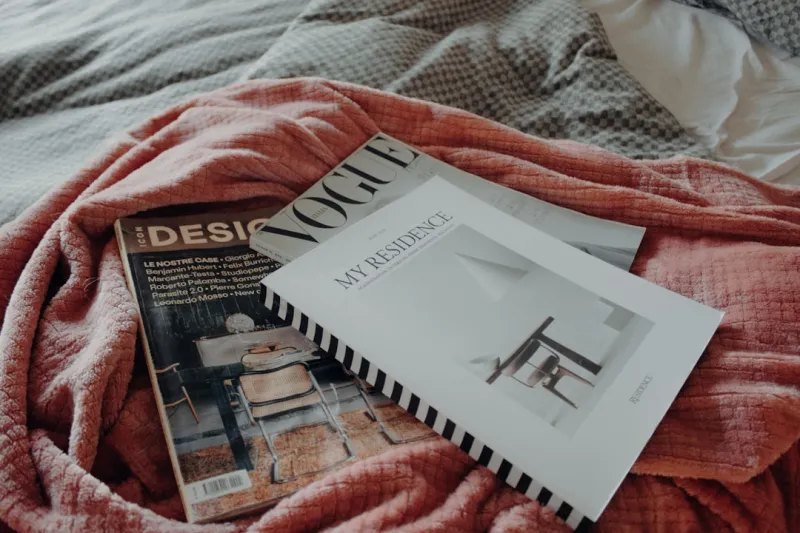
Revamping Your Home's Aesthetic: A Comprehensive Guide to Interior Design
As an interior design enthusiast, I'm always excited to share my knowledge with fellow homeowners looking to revamp their space. When it comes to interior design, there's more to it than just picking out a few trendy pieces of furniture and calling it a day. A well-designed interior requires careful planning, attention to detail, and a deep understanding of what makes a space truly functional and beautiful. In this article, I'll be sharing my expertise on how to transform your home's aesthetic, making it a reflection of your unique style and personality.
Interior design is all about creating a space that not only looks great but also feels amazing. It's about striking the perfect balance between form and function, ensuring that every element, from the furniture to the lighting, works together in harmony. Whether you're looking to give your living room a complete overhaul or simply want to update your kitchen with some modern fixtures, understanding the fundamentals of interior design is essential. By doing so, you'll be able to create a space that's not only visually appealing but also tailored to your specific needs and lifestyle.
The Importance of Planning
Before you start shopping for furniture or picking out paint colors, it's essential to have a clear plan in place. This means taking the time to assess your space, identifying its strengths and weaknesses, and determining what you want to achieve with your design. Consider factors such as the natural light, the room's purpose, and the flow of traffic. By doing so, you'll be able to create a space that's both functional and aesthetically pleasing. For more information on planning your home renovation, check out Your Ultimate Home Renovation Checklist.
Choosing the Right Furniture
When it comes to furniture, it's easy to get caught up in the latest trends and styles. However, it's essential to remember that furniture should be both functional and beautiful. Consider the purpose of each piece, as well as the style and era you're aiming for. For example, a sleek, modern sofa might be perfect for a living room, while a vintage armchair might add a touch of elegance to a study. Don't be afraid to mix and match different styles and eras to create a unique look that's all your own. If you're looking for inspiration, Revamping Your Home's Aesthetic: A Comprehensive Guide to Interior Design is a great resource.
The Power of Lighting
Lighting can make or break a space, and it's often an overlooked element of interior design. Different types of lighting can completely transform the ambiance of a room, from warm and cozy to bright and airy. Consider using a combination of overhead lighting, table lamps, and floor lamps to create a layered lighting effect. This will allow you to adjust the lighting to suit different moods and activities. For example, you might use bright overhead lighting for reading or working, while table lamps provide a softer, more relaxing glow.
Adding Texture and Pattern
Texture and pattern are essential elements of interior design, adding depth and visual interest to a space. Consider incorporating a range of textures, from smooth leather to rough-hewn wood, to create a tactile experience. Patterns, such as stripes or florals, can add a touch of personality to a room, while also helping to create a cohesive look. When combining patterns, remember to balance bold designs with more subtle ones to avoid overwhelming the space.
Don't Forget the Details
It's often the smallest details that make the biggest impact in interior design. Consider adding decorative accessories, such as vases, sculptures, or artwork, to bring a room to life. These elements can help to reflect your personality and style, making your space truly unique. Don't be afraid to experiment and try out different combinations to find what works best for you.
Creating a Cohesive Look
One of the biggest challenges of interior design is creating a cohesive look that ties the entire space together. This can be achieved by selecting a few core elements, such as a statement piece of furniture or a bold color scheme, and using them as a starting point. From there, you can add other elements that complement and enhance the core design. For example, you might choose a bold-colored rug and use it as a focal point, adding other elements that complement the color and style.
The Benefits of Smart Home Technology
In today's digital age, smart home technology is becoming increasingly popular. By incorporating smart devices into your home, you can create a more convenient, efficient, and enjoyable living space. From thermostats to lighting systems, smart home technology can help you control and automate various aspects of your home. For more information on the benefits of smart home technology, check out The Future is Now: Smart Home Technology for a Smarter, Simpler Life.
Conclusion
In conclusion, interior design is all about creating a space that reflects your unique style and personality. By taking the time to plan, choosing the right furniture, and paying attention to details, you can transform your home's aesthetic and create a space that's both functional and beautiful. Remember to stay flexible, experiment with different styles and ideas, and don't be afraid to seek inspiration from a range of sources. With a little creativity and patience, you can create a home that's truly a reflection of you.

Craig Brett is a freelancer with a passion for the outdoors. His love for nature inspires his work, bringing authentic and engaging perspectives to projects related to outdoor activities, adventure, and environmental topics.
Related Posts
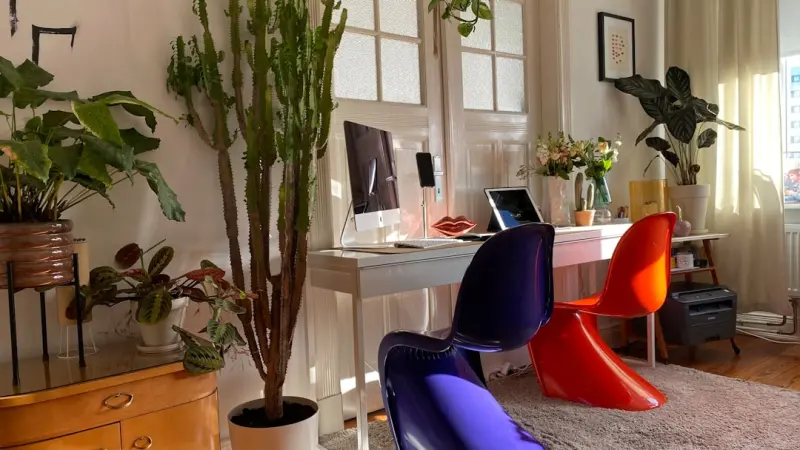
Reimagining Home Offices: Biophilic Design Meets Adaptive Furniture
Discover how to blend natural elements with flexible furniture to build a home office that boosts pr... Read More

Designing a Sustainable Smart Sanctuary: Trends That Transform Your Home
Explore how eco‑friendly materials, smart window treatments, and multifunctional furniture combine... Read More
Designing Interiors That Nurture Body, Mind, and Soul
Discover fresh interior design strategies that prioritize wellbeing, sustainability, and style—tur... Read More
Top Posts

The Evolution of Window Treatments: How Sustainable Solutions Are Revolutionizing the Industry
Explore the evolution of window treatments and learn how sustainable solutions are transforming the industry. From solar shades to smart glass, discover eco-fri...Read More

The Future of Masonry: How Sustainable Solutions Are Revolutionizing the Industry
The masonry industry is undergoing a significant transformation as it shifts towards sustainable solutions. Learn about the latest developments and innovations ...Read More

A Practical Guide to Home Electrical Upgrades for Safety and Future‑Proofing
Learn how to evaluate your electrical panel, add safety devices, and plan for EV chargers and batteries—all while keeping your home safe and ready for future ...Read More

Heat From the Ground Up: How Radiant Floor Systems Redefine Modern Workspaces
Radiant floor heating offers uniform warmth, energy savings, and health benefits, making it a strategic upgrade for modern offices and homes. Learn integration ...Read More
0 Comments
Post Comment
You will need to Login or Register to comment on this post!