
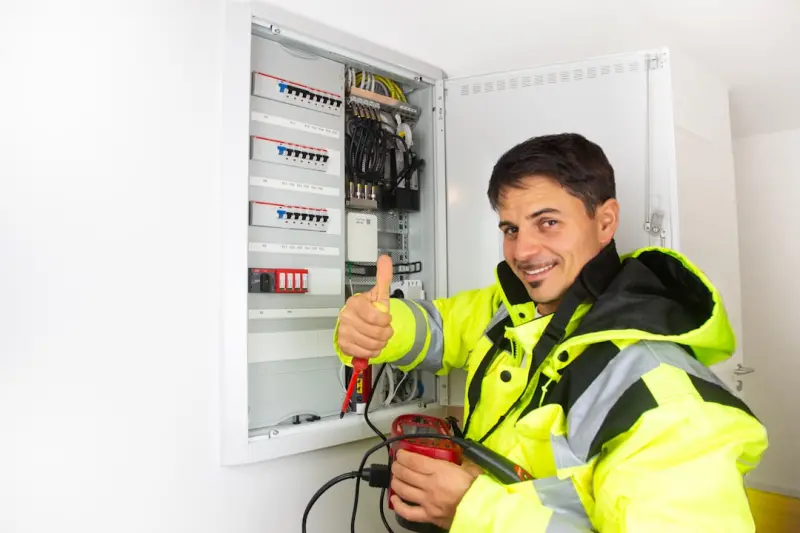
Why Every Homeowner Should Start With the Electrical Panel
Most homeowners think of the electrical panel as a dusty box tucked in the basement, but it is the heart of a house’s power distribution, controlling everything from kitchen appliances to the Wi‑Fi router that streams your favorite shows. Understanding how the panel works—how each breaker routes electricity to specific circuits—allows you to spot early signs of overload, corrosion, or outdated components that could lead to outages or, worse, fires. A well‑organized panel with clearly labeled breakers also simplifies troubleshooting when a light flickers or a garage door refuses to open, saving time and costly service calls. By taking a few minutes each season to visually inspect the panel for rust, loose connections, or tripped breakers, you lay the groundwork for a safer, more reliable electrical system that can handle today’s tech demands without surprise shutdowns.
Reading the Signs: Common Warning Indicators of Electrical Trouble
When the lights dim as you turn on a high‑wattage appliance, you’re likely experiencing a voltage drop that signals an overloaded circuit or undersized wiring—a red flag that should never be ignored. Warm or discolored outlets, buzzing sounds from switches, and the faint smell of ozone are other subtle warnings that insulation may be breaking down or that a loose connection is heating up, both of which increase fire risk. Frequent breaker trips, especially after adding new devices, suggest that the existing breaker size may no longer match the load, and it’s time to consider a capacity upgrade. By documenting these symptoms and their contexts, you can provide an electrician with precise information, ensuring quicker, more accurate diagnostics and preventing minor issues from escalating into major hazards.
Choosing the Right Breaker Upgrades for Modern Demands
Older homes often feature two‑pole breakers rated at 15 or 20 amps, which were sufficient for incandescent bulbs but fall short for modern power‑hungry gadgets like smart refrigerators, home offices, and entertainment systems. Upgrading to 30‑amp or even 40‑amp breakers, where the wiring supports it, provides a buffer for peak loads while maintaining compliance with the National Electrical Code (NEC). When selecting a new breaker, ensure it matches the panel’s brand and model to avoid incompatibility, and verify that the conductor gauge (typically #12 or #10 copper) can safely carry the increased current without overheating. Pairing a higher‑rated breaker with properly sized wire not only improves performance but also extends the lifespan of downstream devices by delivering stable voltage, reducing the likelihood of premature equipment failure.
Integrating AFCI and GFCI Protection for Enhanced Safety
Arc‑Fault Circuit Interrupters (AFCIs) and Ground‑Fault Circuit Interrupters (GFCIs) are essential safeguards that modern codes require in kitchens, bathrooms, and other wet areas, yet many older homes lack them entirely. AFCIs detect dangerous electrical arcs that can ignite fires, while GFCIs shut off power the instant they sense a leakage current to ground, protecting against electric shock. Installing these devices at the breaker level or as outlet‑mounted units creates layered protection, especially in rooms where appliances and water coexist. For instance, a ground‑fault protection in wet areas can be critical for homes with tiled bathrooms or basements prone to moisture, reducing the risk of accidental electrocution and ensuring compliance with the latest safety standards.
Preparing Your Home for Electric Vehicle (EV) Charging
As electric vehicles become increasingly popular, homeowners often wonder how to accommodate a dedicated charger without overhauling their entire electrical system. The first step is to assess your panel’s available capacity; a typical Level 2 charger draws 30–40 amps, which may require a dedicated 50‑amp circuit and a double‑pole breaker. If space permits, installing a sub‑panel near the garage can isolate EV charging loads from the main panel, simplifying future upgrades. Pairing this setup with renewable energy sources, such as solar panels installed on a roof‑mounted solar solution, maximizes efficiency and reduces operating costs, turning your garage into a hub of clean energy utilization.
Adding Home Battery Storage to Complement Solar and Grid Power
Beyond EV chargers, many homeowners are exploring battery storage systems to capture excess solar generation for nighttime use, smoothing out demand spikes and providing backup power during outages. When integrating a battery, it’s crucial to size the inverter and associated breakers to handle both the charge and discharge cycles without straining the panel. A well‑designed battery system works in tandem with a energy‑efficient heating setup, allowing you to shift heating loads to off‑peak hours when electricity rates are lower, thereby optimizing both comfort and cost. Properly coordinated wiring, with dedicated circuits and appropriate disconnects, ensures safety while delivering the promised resilience and savings.
Future‑Proofing with Conduit and Smart Wiring Practices
Even if you don’t need all the latest tech today, installing conduit in walls and ceilings creates a pathway for future upgrades, such as additional data lines, home automation hubs, or higher‑capacity circuits for emerging appliances. Using metal or flexible PVC conduit protects wires from physical damage and makes it easier for electricians to pull new cables without invasive wall cuts. Moreover, opting for higher‑gauge wire (e.g., #8 copper) in critical circuits provides headroom for future load increases, reducing the likelihood of needing costly rewires later. By planning for scalability now, you not only protect your investment but also increase your home’s resale value, as prospective buyers appreciate a forward‑thinking electrical infrastructure ready for tomorrow’s innovations.
DIY Inspection Checklist and When to Call a Professional
While many electrical tasks should be left to licensed electricians, homeowners can perform a thorough visual inspection to catch obvious issues before they become dangerous. Start by turning off the main breaker, removing panel cover plates, and checking for signs of corrosion, burnt marks, or loose connections on each breaker. Verify that all wires are securely tightened under their terminal screws and that no insulation is frayed or exposed. Test GFCI outlets by pressing the “reset” and “test” buttons, ensuring they trip correctly, and use a non‑contact voltage tester on outlets to confirm they are de‑energized before any work. If you encounter any unfamiliar wiring, persistent tripping, or suspect overloaded circuits, schedule a licensed electrician’s evaluation to perform code‑compliant repairs and upgrades, safeguarding both your family and property.
Closing Thoughts: Building a Safer, More Resilient Electrical System
Upgrading and maintaining your home’s electrical system may seem daunting, but with a clear roadmap—starting from panel inspection, through breaker upgrades, to integrating modern safety devices and future‑proof wiring—you can transform a potential liability into a reliable, flexible backbone that supports today’s lifestyle and tomorrow’s innovations. By combining proactive DIY checks with professional interventions when needed, you create a harmonious balance that maximizes safety, efficiency, and peace of mind. Remember, a well‑maintained electrical system not only protects your loved ones but also enhances your home’s overall value, making it a smart investment for any homeowner committed to long‑term comfort and resilience.

When it comes to the world of blogging and writing, Rose DesRochers is a name that stands out. Her passion for creating quality content and connecting with her audience has made her a trusted voice in the industry. Aside from her skills as a writer and blogger, Rose is also known for her compassionate nature.
Related Posts

Embracing Sustainable Electrical Solutions for a Greener Future
Sustainable electrical solutions are critical for creating a greener future. Learn about the benefit... Read More

Observable Electrical Systems: Turning Data Into Power Efficiency
The post explores the rise of observable electrical systems, detailing how sensor‑driven data, dig... Read More

Powering the Modern Home Office: A Practical Guide to Electrical Upgrades
Discover a step‑by‑step plan to upgrade your home office electrical system, from load audits to ... Read More
Top Posts

Building a Quiet Home: Acoustic Strategies for Modern Construction
Explore how to design and construct a home that prioritizes sound control, from decoupled walls to acoustic windows, ensuring lasting quiet and comfort....Read More

Cultivating Intelligent Landscapes: How Data and Soil Science Redefine Outdoor Spaces
A deep dive into the emerging world of intelligent landscaping, where soil sensors, AI plant selection, and autonomous maintenance create resilient, carbon‑se...Read More

Sustainable Home Restoration: A Greener Future for Your Home
Sustainable home restoration is a critical step towards creating a greener future for our homes and our planet. Learn about eco-friendly materials, energy-effic...Read More

Next‑Gen Tiles: Adaptive, Sustainable, and Sensory
Discover the future of tiling: smart sensors, reclaimed materials, acoustic cores, and thermal‑mass designs that transform floors into active, sustainable, an...Read More
0 Comments
Post Comment
You will need to Login or Register to comment on this post!