
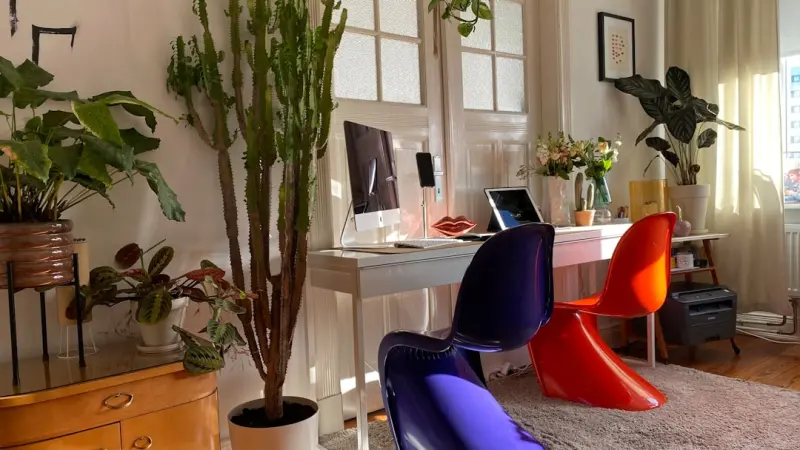
Reimagining Home Offices: Biophilic Design Meets Adaptive Furniture
When the line between work and home blurred, designers were forced to rethink how we inhabit our living spaces. No longer can a bedroom double as a boardroom without consequences to focus, well‑being, and aesthetics. As someone who has spent years curating interiors for both residential and corporate clients, I’ve watched the evolution of the home office unfold from a cramped corner desk to a dynamic, health‑centric environment. In this post, I’ll walk you through a fresh, research‑backed approach that blends the calming influence of nature with the practicality of furniture that literally moves with you.
Why Biophilic Design Isn’t Just a Trend
Biophilic design is more than adding a potted plant or a nature‑themed mural. It’s a science‑based methodology that taps into our innate affinity for natural elements—light, air, water, and organic textures. Studies show that employees who work in spaces infused with natural cues experience up to 15% higher productivity and report lower stress levels. The key is to integrate these cues seamlessly into the home office, ensuring they complement, rather than clash with, the rest of the dwelling.
Core Elements to Bring the Outdoors In
- Natural Light Management: Position your desk near a window to capture daylight. Use sheer curtains to diffuse harsh glare while preserving a view of the sky.
- Living Green Walls: If floor space is limited, vertical gardens become a striking backdrop that also improves air quality.
- Organic Materials: Choose wood, bamboo, or cork for flooring, desk surfaces, and accessories. These textures reinforce the connection to nature.
- Water Features: A small tabletop fountain adds soothing sound and humidity, a subtle nod to the calming effect of flowing water.
- Nature‑Inspired Color Palettes: Greens, soft blues, and earth tones anchor the space, encouraging a sense of calm without overwhelming the eye.
Adaptive Furniture: The Backbone of Flexibility
While biophilic elements nurture the mind, adaptive furniture addresses the practical demands of a hybrid work lifestyle. The modern professional may need a standing desk for a focus sprint, a drafting table for brainstorming, and a comfortable reading nook for research—all within the same room. The solution lies in furniture that transforms:
1. Height‑Adjustable Desks with Integrated Cable Management
Beyond the obvious ergonomic benefits, a desk that can rise or lower at the push of a button eliminates the need for a separate standing platform. Look for models with built‑in channels to hide power strips and data cables, preserving the clean aesthetic that biophilic design champions.
2. Modular Seating Systems
Consider a sectional that can be rearranged into a lounge for video calls or broken apart into individual chairs for collaborative tasks. Upholstery in natural fibers like linen or hemp enhances the organic vibe.
3. Multi‑Purpose Storage Solutions
Floating shelves, built‑in cabinets with sliding doors, and hidden drawers keep supplies out of sight, reducing visual clutter—a common productivity killer. Choose finishes that echo your wood tones or stone accents for a cohesive look.
Creating Zones Without Walls
Open‑plan living spaces are popular, but they can blur the boundaries between work and relaxation. Instead of erecting physical walls, use design tricks to define zones:
- Area Rugs: A textured rug under the desk visually separates the work zone from the rest of the room.
- Lighting Layers: A pendant light over the workspace contrasted with warm floor lamps in the lounge area signals a shift in function.
- Strategic Furniture Placement: Position a bookshelf as a subtle divider, offering storage while demarcating the office zone.
Acoustic Comfort: The Unsung Hero of Productivity
Open spaces often suffer from echo and background noise, especially in urban apartments. Acoustic panels disguised as artwork, plush rugs, and thick curtains can dramatically improve sound quality. A well‑damped room reduces cognitive load, letting you focus on tasks without distraction.
Integrating Technology Thoughtfully
While this article steers clear of high‑tech gadgets, the reality is that a functional home office still requires reliable connectivity and ergonomics. Rather than cluttering the desk with devices, opt for wireless peripherals and mount monitors on adjustable arms. This approach maintains the clean lines essential to a biophilic aesthetic.
Step‑by‑Step Guide to Transform Your Space
- Assess Your Needs: List daily activities—writing, video calls, brainstorming—and identify the furniture and lighting each task requires.
- Audit Light Sources: Map where natural light enters the room. Decide where the desk will sit to maximize daylight without glare.
- Select Biophilic Elements: Choose at least two natural components (e.g., a plant wall and a wooden desk).
- Choose Adaptive Furniture: Invest in a height‑adjustable desk, modular seating, and flexible storage.
- Define Zones: Use rugs, lighting, and furniture placement to carve distinct work and leisure areas.
- Plan Acoustic Solutions: Add rugs, curtains, and acoustic panels where needed.
- Implement Incrementally: Start with one change, such as the desk, then layer in plants and storage over weeks to avoid overwhelm.
- Test and Tweak: Spend a week working in the new setup. Note any friction points and adjust furniture placement or lighting accordingly.
Case Study: A Small Urban Apartment Turned Hybrid Hub
Emily, a freelance graphic designer living in a 750‑sq‑ft studio, faced the classic dilemma: her living room doubled as a gallery, a sleeping area, and a work zone. By applying the principles above, she achieved a harmonious balance:
- She installed a custom window frame that maximized natural light while adding a sleek wooden sash that matched her reclaimed floor.
- A compact, height‑adjustable desk with built‑in cable channels replaced her cluttered table, freeing floor space for a vertical garden of succulents.
- Modular poufs and a low‑profile sofa could be rearranged for client meetings or pushed aside for focused design work.
- She added a plush, natural‑fiber rug beneath the desk, which both defined her workspace and dampened sound.
Within a month, Emily reported a 30% increase in billable hours and a noticeable boost in creative flow, attributing the change to the new environment’s visual calm and physical flexibility.
Linking to a Larger Renovation Narrative
If you’re undertaking a broader remodel, consider consulting a comprehensive checklist to keep the project on track. The Ultimate Renovation Checklist offers a step‑by‑step roadmap that aligns design aspirations with budget realities, ensuring your adaptive home office integrates smoothly with the rest of your home.
Final Thoughts: The Future Is Flexible and Green
Designing a home office that supports both productivity and well‑being isn’t a luxury—it’s an essential investment in your professional and personal health. By marrying biophilic principles with adaptive furniture, you create a space that not only looks good but also evolves with your needs. Remember, the goal isn’t to force nature into a concrete box, but to let nature inform the way you shape your work environment. The result? A resilient, inspiring hub that feels less like a workstation and more like an extension of yourself.

Kelly Reynolds is a dynamic freelance writer hailing from the picturesque landscapes of Alberta. A master of the written word, she juggles her passion for storytelling with the exhilarating chaos of being a mother to five spirited children. With an impressive portfolio that spans various genres, Kelly captivates readers through her engaging blog posts and thought-provoking articles.
Related Posts
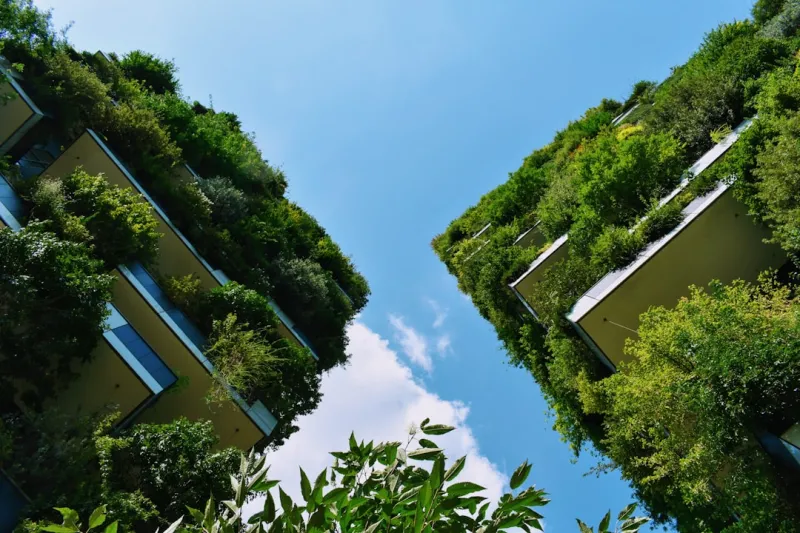
Designing a Sustainable Smart Sanctuary: Trends That Transform Your Home
Explore how eco‑friendly materials, smart window treatments, and multifunctional furniture combine... Read More

Designing for the Senses: A New Era of Experiential Interiors
A deep dive into sensory‑first interior design, blending biophilic principles, acoustic comfort, t... Read More
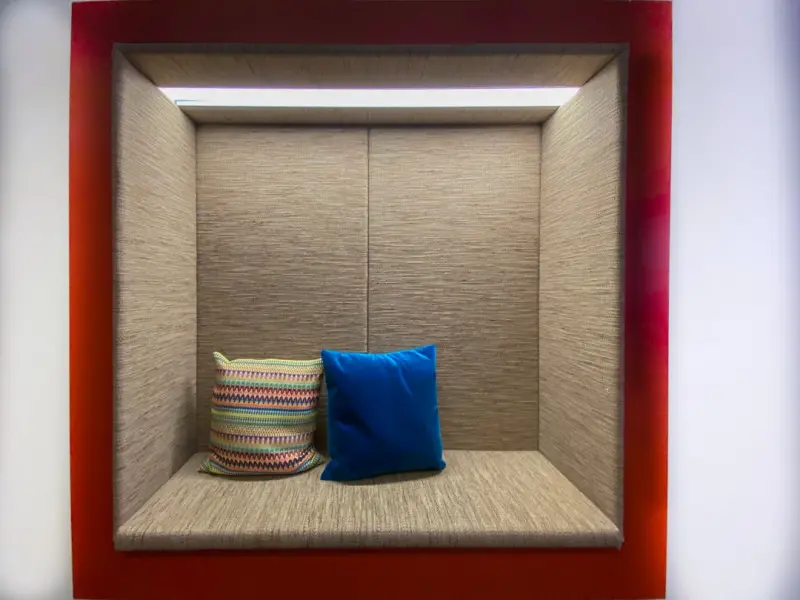
The Quiet Power of Sensory Interiors: Designing Spaces That Feel Good
Explore a step‑by‑step framework for sensory interior design, blending visual rhythm, acoustic c... Read More
Top Posts

The Hidden Power of Insulation: Comfort, Health, and Future‑Proofing Your Home
Explore insulation beyond temperature control—learn about acoustic benefits, eco‑friendly options, smart tech, and DIY strategies to future‑proof your hom...Read More
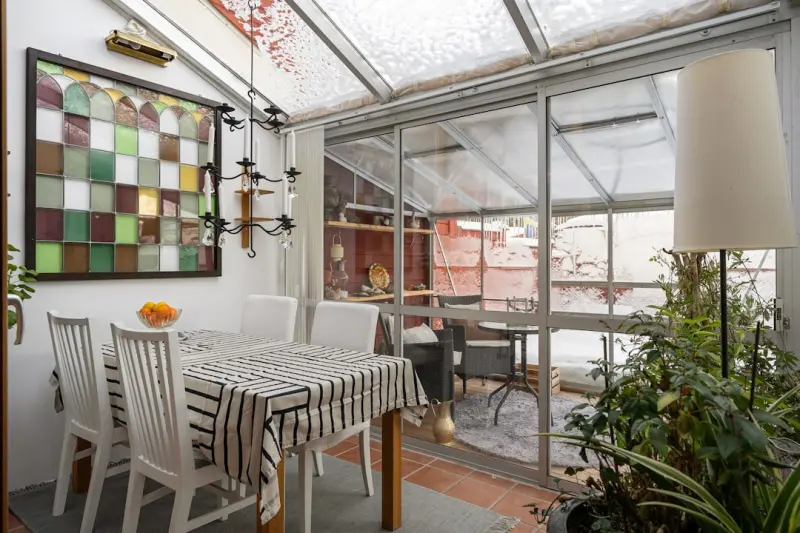
Sunroom Strategy: Turning Light‑Filled Spaces into Business Assets
Explore a fresh perspective on sunrooms, revealing their hidden value as energy‑savvy, wellness‑focused assets that drive productivity and bottom‑line ben...Read More
Beyond the Thermostat: Uncovering Hidden Energy Waste
Modern energy inspection goes beyond insulation, using thermal cameras, smart sensors, and AI to pinpoint hidden loss. Learn the detective’s approach that sav...Read More
Unlocking Hidden Potential: Transform Your Basement Into a High‑Performance Space
A comprehensive guide to turning neglected basements into flexible, energy‑smart, and income‑generating areas, covering assessment, design, smart tech, mate...Read More
0 Comments
Post Comment
You will need to Login or Register to comment on this post!