

When I first walked into a newly renovated office and felt a gentle, consistent warmth under my shoes, I realized I’d stumbled onto a subtle yet powerful design secret that many businesses still overlook: radiant floor heating. It’s not just about keeping toes toasty; it’s a strategic lever for comfort, productivity, and sustainability that can reshape how we think about interior environments.
Why Floor Heating Deserves a Spot on Your Design Radar
Traditional HVAC systems have long been the go‑to solution for temperature control, but they come with hidden trade‑offs—drafts, uneven temperature zones, and a reliance on forced‑air that can stir up dust and allergens. Radiant floor heating flips that script by delivering heat directly where people spend their time: the floor. The result is a uniform thermal envelope that eliminates cold spots, reduces reliance on ceiling vents, and creates a whisper‑quiet environment free from the hum of fans.
The Science of Comfort: How Warm Floors Influence Well‑Being
Beyond the obvious physical comfort, research shows that consistent floor warmth can positively affect physiological responses. Warm feet improve peripheral circulation, which in turn can reduce stress hormones and promote a sense of calm. For employees who sit for long periods, that subtle boost in blood flow can alleviate fatigue and even lessen the risk of musculoskeletal discomfort. In hospitality settings, guests often remark that the first thing they notice is how the floor feels under their feet—a small detail that can elevate the perception of luxury.
Energy Efficiency: The Hidden Savings of Radiant Systems
One of the most compelling arguments for floor heating is its energy efficiency. Because heat rises naturally from the floor, you can operate the system at lower water temperatures (for hydronic systems) or lower voltage (for electric mats) while still achieving the same comfort level as a conventional furnace. This translates to lower utility bills and a smaller carbon footprint. Pairing radiant heating with a smart thermostat or a building‑management system amplifies these savings, allowing real‑time adjustments based on occupancy patterns.
Integrating Floor Heating with Smart Building Controls
Modern commercial spaces increasingly rely on IoT‑enabled platforms to fine‑tune environmental conditions. Radiant floor heating integrates seamlessly with these ecosystems. By connecting floor temperature sensors to a central dashboard, facility managers can monitor performance, predict maintenance needs, and even automate zone‑based heating based on calendar events or occupancy sensors. This level of control not only cuts waste but also provides data that can be leveraged for sustainability reporting—a key metric for many forward‑thinking organizations.
Retrofitting Challenges and Solutions
Many businesses think radiant floor heating is only viable for new construction, but that’s far from the truth. Retrofitting an existing space, while more complex, is entirely doable with the right approach:
- Assess Structural Capacity: Verify that floor joists can support the added weight of hydronic tubing or electric mats.
- Choose Low‑Profile Systems: Modern electric mats are ultra‑thin, often less than a quarter inch, making them ideal for overlay installations.
- Plan for Insulation: Adding a reflective insulation layer beneath the heating element maximizes upward heat flow and prevents loss into the subfloor.
When executed correctly, retrofitted floor heating can breathe new life into older buildings, aligning heritage aesthetics with contemporary comfort.
Case Study: Transforming a Co‑Working Hub
Take the example of a downtown co‑working space that struggled with uneven heating due to a high ceiling and large glass façades. The owners opted for a hydronic radiant floor system paired with zone‑specific thermostats. Within weeks, tenant satisfaction scores rose, and the space earned a green building certification for its reduced energy consumption. The quiet operation also eliminated the distraction of noisy HVAC units, creating a more focused work environment.
Health Benefits Beyond Comfort
Floor heating can be a silent ally in indoor air quality management. By reducing the need for forced‑air circulation, you diminish the amount of dust and allergens stirred into the air—a benefit especially valuable in spaces where people have respiratory sensitivities. Moreover, because radiant systems operate at lower temperatures than conventional boilers, they’re less likely to promote mold growth in hidden cavities.
Design Flexibility: From Minimalist to Luxe
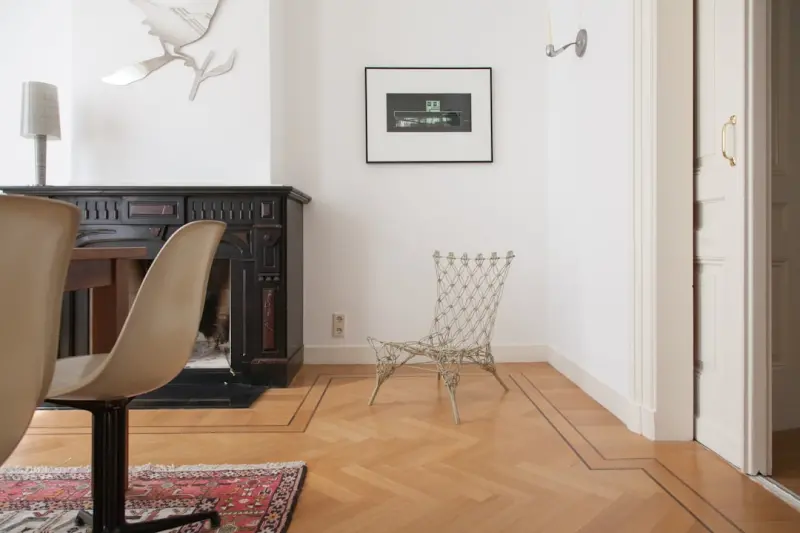
Because the heating element is hidden beneath the surface, designers have far more freedom to select flooring materials. Whether you prefer the sleek look of polished concrete, the warmth of reclaimed wood, or the softness of carpet, radiant heating can accommodate it—all without compromising performance. This flexibility opens doors for creative interior narratives that previously might have been limited by the constraints of traditional heating.
Financial ROI: A Long‑Term Investment
While upfront costs for radiant floor heating can be higher than for a standard furnace, the lifecycle savings are compelling. Lower operational costs, reduced maintenance (fewer moving parts than forced‑air systems), and the potential for higher property values make it a sound financial decision. Additionally, businesses can leverage incentives for energy‑efficient upgrades; many local utilities offer rebates that can offset installation expenses.
Future Trends: Combining Radiant Heat with Renewable Energy
Looking ahead, the synergy between floor heating and renewable energy sources is poised to become a cornerstone of sustainable building design. Pairing a solar‑thermal collector with a hydronic radiant system can supply heat directly from the sun, dramatically cutting reliance on grid electricity or natural gas. Even electric systems can be powered by on‑site solar photovoltaics, turning the floor into both a consumer and a showcase for clean energy. This integration aligns perfectly with the broader industry push toward net‑zero buildings.
Practical Tips for Getting Started
- Conduct a Heat Load Analysis: Determine the required BTU output based on room size, insulation, and window exposure.
- Select the Right System Type: Hydronic for larger areas and commercial scale; electric for smaller, quicker installations.
- Work with Certified Installers: Proper placement of tubing or mats, as well as correct connection to the control system, is critical for performance.
- Integrate Sensors Early: Temperature and occupancy sensors should be part of the design phase, not an afterthought.
- Plan for Maintenance Access: Include access panels or design considerations that allow future servicing without major demolition.
Linking to the Bigger Picture
Floor heating doesn’t exist in isolation; it’s part of a holistic approach to building performance. For instance, when you pair radiant heat with proactive duct hygiene, you further improve indoor air quality, ensuring that any forced‑air components you do retain are operating at peak cleanliness. Together, these strategies create a healthier, more efficient environment that benefits occupants and the bottom line alike.
Conclusion: A Warm Step Forward
In an era where employee well‑being, sustainability, and operational efficiency are top priorities, radiant floor heating emerges as a quietly powerful solution. It delivers comfort without the noise, saves energy without sacrificing performance, and can be tailored to any aesthetic or building type. Whether you’re planning a new construction, retrofitting an older space, or simply looking to enhance an existing environment, consider taking the warm, steady path from the ground up.

Kelly Reynolds is a dynamic freelance writer hailing from the picturesque landscapes of Alberta. A master of the written word, she juggles her passion for storytelling with the exhilarating chaos of being a mother to five spirited children. With an impressive portfolio that spans various genres, Kelly captivates readers through her engaging blog posts and thought-provoking articles.
Related Posts

Radiant Floor Heating: The Next Competitive Edge for Modern Workspaces
Radiant floor heating delivers consistent, draft‑free warmth that enhances employee focus, improve... Read More

Warm Floors, Smarter Buildings: Rethinking Radiant Heating for Modern Workspaces
A deep dive into how intelligent floor heating systems can transform workspace comfort, productivity... Read More
Beyond Warmth: How Floor Heating Elevates Health, Sustainability, and Space Flexibility
A deep dive into the health, environmental, and design benefits of radiant floor heating, showing ho... Read More
Top Posts

Solar-Backed Data Center Resilience: Powering SaaS with Clean Energy
A deep dive into how SaaS companies can turn solar installations into a strategic advantage, enhancing uptime, cutting costs, and strengthening ESG credentials ...Read More

Beyond Warmth: How Smart Floor Heating Redefines Commercial Comfort
Floor heating is evolving from a luxury add‑on to a strategic asset, offering uniform warmth, lower energy costs, and health benefits while integrating with s...Read More

Dynamic Insulation: Turning Passive Barriers into Active Energy Managers
A deep dive into the next wave of insulation technology, showing how sensors, phase‑change materials, and smart retrofits transform walls and roofs from stati...Read More

Turning Gutters into Design Statements: Style Meets Function
Explore innovative gutter designs, materials, colors, and seasonal styling tips that turn a functional necessity into a striking architectural accent....Read More
0 Comments
Post Comment
You will need to Login or Register to comment on this post!