
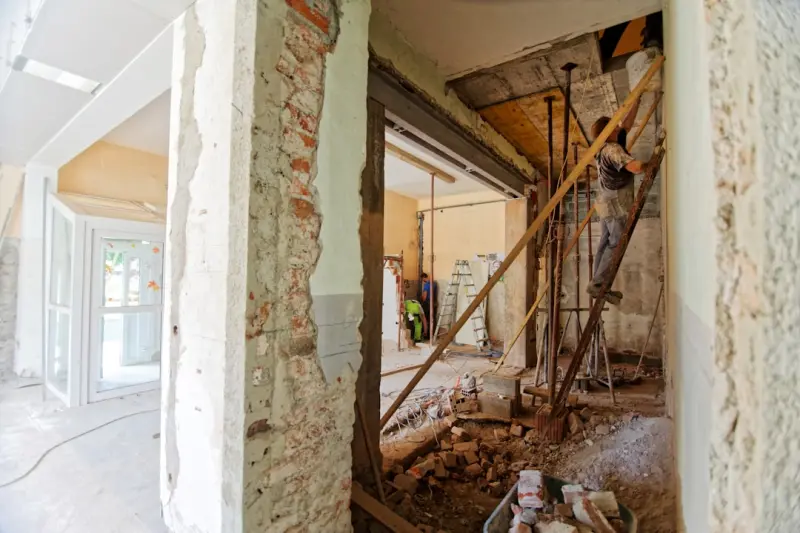
Why Restoring Vintage Windows Is the Smartest Upgrade for Your Home
When I first lifted the aged sash of my grandparents’ cottage, a rush of sunlight filtered through a pane that had survived generations of storms, drafts, and neglect. That moment reminded me that windows are more than mere openings; they are storytellers that frame our daily lives and protect the intimacy inside. Choosing to restore them rather than replace them preserves that narrative, enhances curb appeal, and can dramatically improve comfort without sacrificing heritage.
Assessing the Condition: The First Step Toward a Thoughtful Restoration
The diagnostic phase is both practical and poetic—checking for rot, warping, cracked glass, and failing hardware while listening for the subtle sighs of wind through ill‑fitted frames. I start by inspecting the interior and exterior caulking, noting any peeling paint that signals moisture intrusion, and tapping the glass to detect hidden cracks that only reveal themselves under pressure. This thorough audit not only identifies immediate repair needs but also uncovers hidden issues that, if left unattended, could evolve into costly emergencies.
Repair vs. Replace: Making the Choice That Honors Both History and Efficiency
Every homeowner faces the crossroads of repairing a beloved window or opting for a brand‑new unit; the decision hinges on the frame’s structural integrity and the value you place on authenticity. If the wood is sound and the glass can be salvaged, a skilled carpenter can reinforce the sash, replace broken panes with period‑appropriate glass, and restore original hardware—resulting in a window that feels like it never left the past. Conversely, when rot has compromised the frame’s load‑bearing capacity, a historically accurate replica may be the responsible path forward.
Materials and Techniques: Balancing Tradition with Modern Performance
Restoration demands a respectful dialogue between old‑world craftsmanship and today’s high‑performance materials. I favor traditional wood species such as pine or oak for their ability to absorb and release moisture, treating them with low‑VOC stains that match the original hue. For those leaning toward low‑maintenance solutions, engineered wood or fiberglass replicas can mimic the appearance of classic frames while offering superior durability. In either case, preserving the original mullions and muntins is essential, as these details define the window’s character and influence light diffusion throughout the room.
Energy Efficiency Without Sacrificing Aesthetic Charm
One of the biggest misconceptions about historic windows is that they are inherently inefficient; modern restoration techniques prove otherwise. Installing smart gutter systems alongside restored windows ensures that water is diverted away from the frame, preventing rot and maintaining seal integrity. Adding weatherstripping, low‑emissivity (low‑E) coatings, and insulated glazing units can boost the window’s R‑value dramatically, delivering savings on heating and cooling bills while keeping the period look intact.
Budgeting the Project: Understanding Costs and Value Returns
Financial planning for a window restoration project starts with a clear inventory of each unit’s condition, followed by a line‑item estimate that separates labor, materials, and contingency expenses. On average, a full restoration—repairing the frame, replacing glass, and adding weatherstripping—costs between $300 and $600 per window, a fraction of the $1,200 to $2,500 price tag of a new high‑efficiency model. Moreover, the restored windows often increase property value more than a generic replacement, especially in neighborhoods where historic authenticity is prized. For larger undertakings, consider the hidden economics of proactive foundation repair mindset: investing early prevents structural deterioration that could undermine your restoration efforts.
DIY or Professional? Weighing the Pros and Cons of Each Approach
Enthusiasts who relish hands‑on projects may find the tactile satisfaction of sanding, glazing, and re‑painting a window deeply rewarding, yet the process demands precision tools, knowledge of historic glazing techniques, and a keen eye for structural safety. Professionals bring specialized equipment, access to period‑accurate glass, and insurance coverage that protects you from accidental damage. My own experience has taught me that a hybrid approach—handling cosmetic refinishing yourself while hiring a specialist for structural repairs—often yields the best balance of cost savings and craftsmanship.
Maintenance Mastery: Extending the Life of Restored Windows for Decades
After the restoration is complete, a proactive maintenance schedule is the key to longevity; this includes quarterly inspections for seal integrity, annual repainting of exposed wood, and periodic re‑application of weatherstripping as it wears. Simple habits—like keeping tracks clear of debris and ensuring that interior humidity stays within recommended levels—prevent warping and condensation buildup. By treating your restored windows as living components of your home’s envelope, you safeguard their beauty and performance, ensuring they continue to frame your memories for generations to come.

William Roy is a freelance writer originally from Montreal who moved to Ottawa with his wife of 50 years to be closer to their grandkids. Alongside his writing, William has a passion for fishing.
Related Posts
Smart Sensors Meet Home Restoration: A New Age of Precision
A deep dive into the role of smart sensors in modern home restoration, revealing how data‑driven i... Read More

The Art of Home Restoration: A Comprehensive Guide
Home restoration is a journey that requires patience, dedication, and expertise. Learn about the imp... Read More

Circular Economy Secrets: Turning Home Restoration Waste Into Value
Learn practical steps to transform discarded materials into valuable assets, integrate smart tech, a... Read More
Top Posts
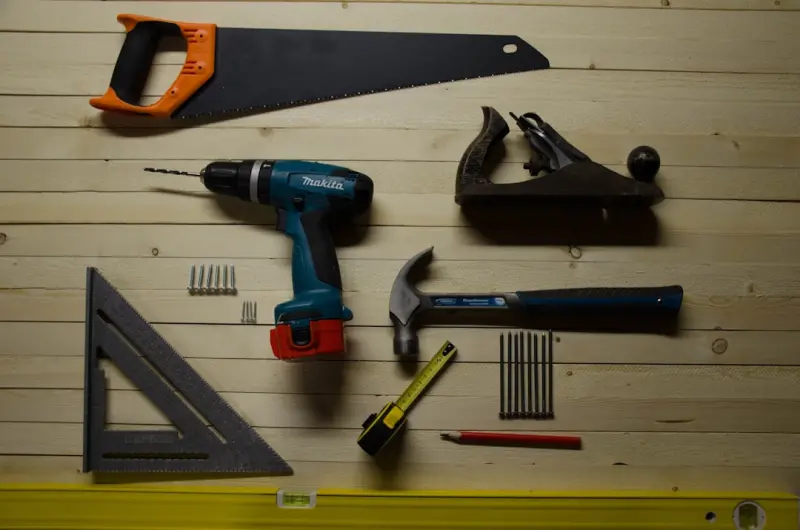
The Handyman’s Playbook: Mastering Adaptive Home Repairs
A seasoned handyman shares a comprehensive playbook for evolving from reactive fixes to strategic home‑care, covering proactive inspections, smart‑home inte...Read More
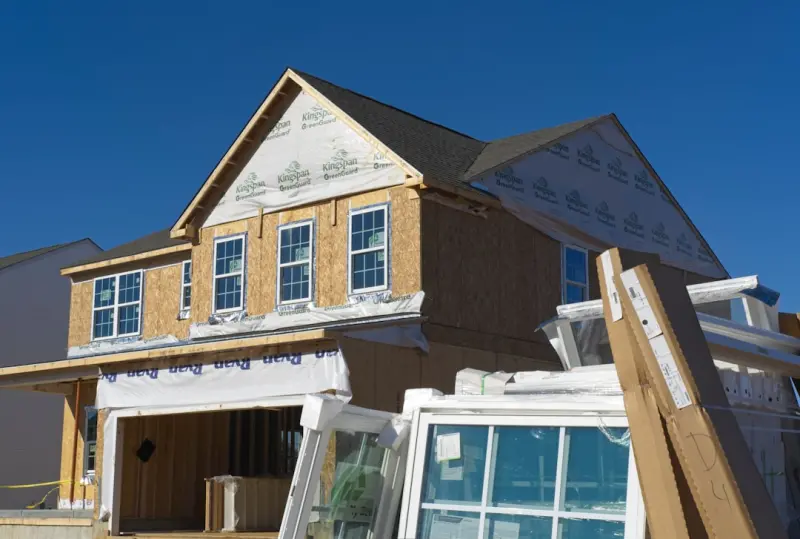
Building Tomorrow’s Homes: Harnessing Prefab Panels for Faster, Cleaner Construction
Prefabricated structural panels are transforming home building by slashing construction time, boosting quality, and reducing waste. Learn how this technology of...Read More
Why Modern Gutters Are the Unsung Heroes of Sustainable Home Design
Explore the hidden power of gutters in sustainable living. Learn about eco‑friendly materials, rainwater harvesting, maintenance tricks, and how gutters prote...Read More
Adaptive Glazing and Smart Frames: Redefining Comfort, Security, and Efficiency
Adaptive glazing and intelligent frames turn static windows and doors into dynamic systems that manage light, heat, sound, and security, delivering a smarter, m...Read More
0 Comments
Post Comment
You will need to Login or Register to comment on this post!