

The Gutter Gap: Why It Matters More Than You Think
When most homeowners think about sustainability, their mind drifts to solar panels, insulation upgrades, or energy‑efficient appliances. I admit, for years I ignored the humble gutter, assuming it was just a cheap after‑thought on the roofline. That mistake cost me time, money, and a few soggy basements. Over the past decade, I’ve learned that gutters are the frontline defense against water damage, a silent partner in energy savings, and a surprisingly effective tool for eco‑friendly living. By treating gutters as a core component of a home’s climate‑control system, you unlock hidden efficiencies that ripple through every room, from the attic down to the foundation.
Mastering Water Management: The First Line of Defense
Rainwater is a double‑edged sword: it nourishes landscapes but can wreak havoc if misdirected. Properly designed gutters capture and channel that flow, preventing water from seeping into walls, rotting decks, and eroding foundations. I’ve watched neighbors lose entire sections of siding simply because their gutters were undersized or pitched incorrectly. The physics is straightforward—water follows the path of least resistance, so a well‑engineered gutter system guides it safely to downspouts, splash blocks, or storage barrels. When you combine accurate sizing with the right slope, you reduce the risk of moisture‑related mold, preserve structural integrity, and keep your insurance premiums in check.
Choosing Sustainable Materials: From Aluminum to Recycled Plastics
Not all gutters are created equal, especially when sustainability is a priority. Traditional steel gutters rust quickly, demanding frequent replacement, while copper, though beautiful, comes at a steep environmental cost due to mining. In my recent remodel, I opted for high‑grade aluminum and a newer line of recycled‑plastic profiles. Aluminum offers a perfect balance of durability, recyclability, and low maintenance; it resists corrosion and can be painted to match any façade. Recycled plastics, on the other hand, divert waste from landfills and are surprisingly resilient against UV degradation. By selecting these greener options, you lower the embodied carbon of your home and extend the gutter lifespan, turning a routine component into a long‑term sustainability win.
Rainwater Harvesting: Turning Gutters Into a Resource
One of the most exciting ways I’ve leveraged my gutter system is by pairing it with rainwater harvesting. By installing a simple diverter at the downspout, I can collect runoff in large barrels for garden irrigation, toilet flushing, or even washing a car. The process is almost magical: the rain that would otherwise be wasted becomes a free, chemical‑free water source, reducing municipal demand and your water bill. To maximize efficiency, I use leaf‑screens and fine mesh filters that keep debris out of the storage tanks, ensuring the water stays relatively clean. This integration not only supports a greener lifestyle but also creates a resilient backup supply during droughts or water restrictions.
Maintenance Made Simple: A Routine That Pays Off
Even the best‑engineered gutters falter without regular upkeep. I treat gutter maintenance like a seasonal check‑up for my car—quick, systematic, and essential. Twice a year, I climb up (or use a pole‑extension) to clear leaves, twigs, and any stubborn debris that could cause clogs. A gentle flush with a garden hose confirms proper flow and reveals hidden leaks. If you’re unsure where to start, my earlier guide Weather‑Proof Your Home: Proven Strategies for Comfort and Savings outlines a step‑by‑step plan that dovetails perfectly with gutter care, ensuring your home stays dry, energy‑efficient, and comfortable year‑round.
Gutter Guards: The Unsung Heroes of Debris Control
Investing in quality gutter guards can slash your maintenance time by up to 80 percent. These devices act as a protective mesh or cover, allowing water to pass while keeping leaves, pine needles, and small branches out. I chose a micro‑mesh system that fits snugly inside the gutter profile, offering a near‑impermeable barrier against clogging without restricting flow. The result? Fewer emergency clean‑outs, reduced risk of ice dams in winter, and a smoother water delivery to downspouts. While there’s an upfront cost, the long‑term savings—both in labor and in preventing water damage—make guards a smart, sustainable investment.
Energy Efficiency Synergy: Gutters Meet Insulation
You might wonder how a simple rain‑channeling system ties into your home’s energy performance. The answer lies in moisture control. When gutters fail, water can infiltrate walls, soaking insulation and reducing its R‑value. Damp insulation loses its ability to trap heat, forcing your HVAC system to work harder. By keeping the building envelope dry, gutters protect the insulation’s effectiveness, directly influencing heating and cooling costs. For a deeper dive on this relationship, read my piece The Hidden Power of Insulation: How to Boost Comfort and Cut Bills, which explains how a dry envelope can shave dozens off your monthly energy bill.
Design Matters: Blending Function With Curb Appeal
Gone are the days when gutters were purely utilitarian. Modern architectural trends treat them as an extension of the home’s aesthetic language. I love pairing sleek, low‑profile aluminum gutters with a subtle, color‑matched finish that disappears against the roofline. For historic homes, copper gutters develop a beautiful patina that complements stone and brick façades, adding character while still performing flawlessly. When planning your upgrade, consider the visual flow—ensure the gutter color, size, and style harmonize with your roof material and exterior trim. A well‑designed gutter system not only protects your home but also enhances its market value and street‑side appeal.
Next Steps: Your Gutter Upgrade Action Plan
If you’re ready to transform your gutters from an afterthought into a sustainability powerhouse, start with a comprehensive audit. Measure the length of your roof runs, calculate the appropriate gutter size, and assess the pitch for optimal flow. Choose a material that aligns with your environmental goals, and don’t forget to factor in guard installation and rainwater harvesting potential. Schedule a bi‑annual cleaning routine, and keep an eye out for leaks or sagging sections. Finally, document your improvements—photos, receipts, and performance data—to share with future buyers or simply to track your green savings. With a proactive approach, your gutters will become a silent, steadfast ally in your quest for a healthier, more efficient home.

Craig Brett is a freelancer with a passion for the outdoors. His love for nature inspires his work, bringing authentic and engaging perspectives to projects related to outdoor activities, adventure, and environmental topics.
Related Posts

Why Intelligent Gutters Are the Unsung Heroes of Building Performance
This post reveals how smart gutter technology transforms ordinary rainwater channels into proactive ... Read More
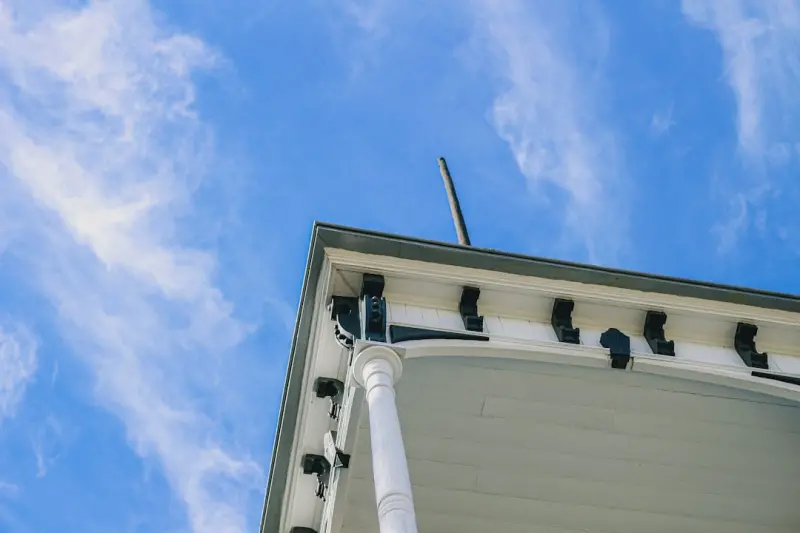
Turning Gutters into Design Statements: Style Meets Function
Explore innovative gutter designs, materials, colors, and seasonal styling tips that turn a function... Read More

Rethinking Gutters: From Simple Drainage to Integrated Water Assets
A fresh look at gutters reveals their hidden potential: durable materials, purposeful routing, and s... Read More
Top Posts
Waterproofing as a Design Feature: Elevate Protection with Style
Learn to turn waterproofing into a stylish upgrade with decorative membranes, hidden drainage, and smart moisture monitoring, all while boosting energy efficien...Read More
Concrete’s Second Act: Green, Resilient, and Ready for Tomorrow
Concrete is undergoing a quiet revolution—low‑carbon cements, recycled aggregates, 3D printing, and self‑healing technologies are reshaping its role in su...Read More

Transforming Your Home with a Sunroom: Comfort, Design, and Smart Living
Explore the modern sunroom’s blend of natural light, smart tech, and sustainable design to create a versatile, energy‑efficient haven in your home....Read More

Intelligent Paint: How High‑Tech Coatings Are Changing the Way We Color Our Homes
Modern paint is evolving into a high‑tech platform that improves indoor air quality, reduces energy use, and offers dynamic aesthetics. This post breaks down ...Read More
0 Comments
Post Comment
You will need to Login or Register to comment on this post!