
Why Handymen Need a New Playbook
When I first started swapping out light fixtures and tightening leaky faucets, the job was simple: identify the problem, pull out the right tool, and get it fixed. Decades later, the landscape has shifted dramatically. Homeowners now demand smart solutions, sustainable practices, and aesthetic upgrades that blend form with function. As a seasoned handyman, I’ve learned that staying relevant means evolving from a “fix‑it” specialist into a strategic home‑care partner. This playbook is my answer to that evolution—a roadmap for anyone who wants to turn everyday repairs into opportunities for added value, resilience, and delight.
1. The Mindset Shift: From Reactive to Proactive
Traditionally, handymen are called in after a problem surfaces—a dripping pipe, a squeaky door, or a broken tile. While the reactive model still exists, the most successful professionals are now proactively scouting homes for hidden inefficiencies. Think of it as a health check‑up for the house. By offering a quarterly inspection, you can spot potential failures before they become costly emergencies.
- Energy audits: Simple infrared scans reveal drafts around windows that waste heat.
- Water usage reviews: Detecting phantom leaks can save gallons—and dollars—every month.
- Structural observations: Early signs of settlement or moisture intrusion often manifest as subtle cracks or warped trim.
These proactive services not only boost your revenue stream but also position you as a trusted advisor, a role homeowners increasingly value.
2. Tool Belt 2.0: Curating a Digital‑Ready Kit
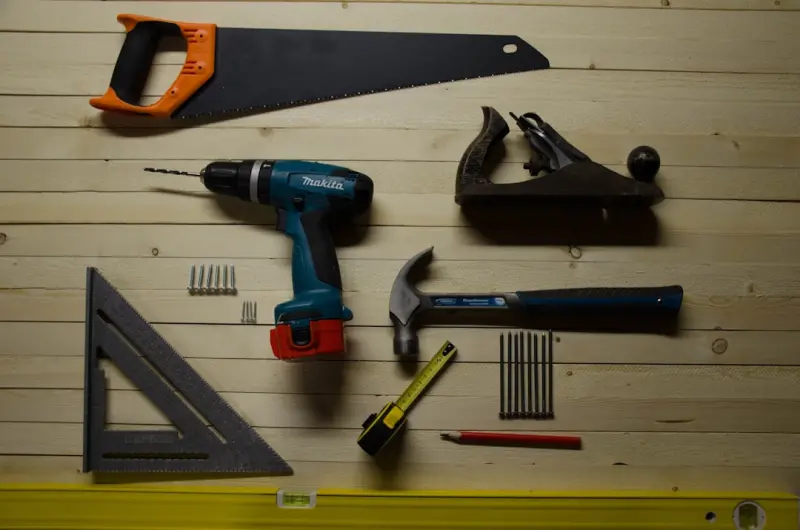
My old tool belt still holds a trusty hammer, a set of wrenches, and a tape measure. Yet, the modern handyman’s belt must also accommodate tech. Here’s how to upgrade without breaking the bank:
- Bluetooth voltage tester – Instantly verifies live wires and logs data for future reference.
- Laser distance measurer – Provides millimeter accuracy for trim work and cabinetry.
- Portable Wi‑Fi hotspot – Enables on‑site access to manuals, schematics, and cloud‑based job logs.
- Smartphone mounting system – Keeps your device visible for video calls with specialists or for on‑the‑fly research.
Integrating these tools transforms routine repairs into data‑driven interventions. When a homeowner asks why a pipe is leaking, you can now show a real‑time pressure reading, explain the root cause, and recommend a lasting solution rather than a temporary patch.
3. Embracing Smart Home Integrations
One of the most exciting trends I’ve encountered is the surge in smart plumbing innovations. From leak‑detecting sensors that send alerts to your phone to AI‑powered water‑flow regulators that optimize usage, these technologies are no longer niche—they’re becoming mainstream expectations.
Here’s a practical approach for handymen:
- Start small: Install a Wi‑Fi‑enabled shut‑off valve under a sink. It costs under $100 and instantly offers remote control.
- Leverage existing ecosystems: Many homeowners already have Alexa or Google Home. Choose devices that integrate seamlessly, reducing friction.
- Offer subscription monitoring: Partner with a monitoring service that watches for anomalies and notifies both you and the homeowner. This creates recurring revenue.
By positioning yourself as the go‑to person for these upgrades, you tap into a market segment that’s willing to pay premium prices for convenience and peace of mind.
4. Sustainable Upgrades Without the Green‑Label Overhead
While the blog’s recent posts explore deep sustainability topics—like edible landscaping and radiant floor heating—handymen can contribute on a smaller scale. Simple, cost‑effective upgrades not only lower utility bills but also showcase your commitment to responsible craftsmanship.
- LED retrofits: Replace incandescent fixtures with dimmable LEDs. Add motion sensors in closets and garages to cut “phantom loads.”
- Low‑flow fixtures: Swap out showerheads and faucet aerators for models that maintain pressure while using less water.
- Weatherstripping: Apply self‑adhesive seals to doors and windows—an inexpensive fix that can reduce heating and cooling loads by up to 15%.
These tasks are quick, require minimal specialized training, and can be bundled into a “green home refresh” package that you market as an easy win for budget‑conscious clients.
5. The Garage: From Storage Closet to Lifestyle Hub
Garages have transitioned from purely functional spaces to extensions of the home’s living area. Whether a homeowner wants a home gym, a workshop, or a small office, the garage is the blank canvas. My recent experience remodeling a client’s garage highlighted the power of combining utility with design.
Start by assessing the client’s primary use case, then apply a layered approach:
- Floor preparation: Epoxy coatings not only look sleek but also resist oil stains and moisture.
- Electrical upgrades: Add dedicated circuits for high‑draw tools or EV chargers. A simple sub‑panel can future‑proof the space.
- Storage solutions: Install modular wall‑mounted racks that keep the floor clear for activities.
- Finishing touches: Paint the walls in warm neutrals, add LED strip lighting, and consider a fold‑down workbench.
For inspiration on turning underused spaces into dynamic environments, check out this garage makeover guide. The principles overlap—smart layout, purposeful lighting, and a focus on user experience—all of which are equally applicable to a handyman’s project scope.
6. Mastering the Art of Communication
Technical skill alone doesn’t guarantee repeat business. The most successful handymen excel at translating jargon into relatable language. When you explain why a particular repair matters—using analogies like “it’s like giving your house a vaccine”—clients feel informed and empowered.
Here are three communication tactics that have worked for me:
- Visual estimates: Sketch the repair on a tablet and annotate cost, time, and materials. Clients can see the scope at a glance.
- Progress photos: Send before‑and‑after shots via text or email. It reinforces the value you deliver.
- Follow‑up checklists: After completion, provide a short maintenance checklist. It shows you care about the long‑term health of their home.
These small gestures build trust, which translates into referrals—the lifeblood of a handyman business.
7. Pricing Strategies for a Value‑Driven Market
Many handymen fall into the trap of flat‑rate pricing for every job. While simplicity is appealing, it often undervalues expertise and can lead to scope creep. Instead, adopt a tiered pricing model:
| Tier | Description | Typical Projects |
|---|---|---|
| Basic | Quick fixes and minor installations | Door knob replacement, outlet swap |
| Standard | Mid‑size projects requiring planning | Bathroom fixture upgrade, smart thermostat install |
| Premium | Comprehensive remodels or smart‑home integrations | Whole‑home lighting automation, garage conversion |
Presenting options empowers clients to choose a level that aligns with their budget while ensuring you’re compensated fairly for higher‑skill work.
8. Leveraging Online Platforms Without Losing the Personal Touch
In an era where the average homeowner searches “handyman near me” on a smartphone, a strong digital presence is essential. Yet, the challenge lies in maintaining the personal, hands‑on reputation you built on the street.
Here’s how to strike that balance:
- Professional website: Showcase before‑and‑after galleries, client testimonials, and a clear list of services.
- Local SEO: Optimize your Google My Business profile with accurate contact info, service areas, and high‑resolution photos.
- Social proof videos: Short clips of you solving a problem in real time—like fixing a jammed sliding door—humanize your brand.
- Automated scheduling: Use a booking tool that lets clients pick time slots, but follow up with a personalized confirmation email.
These digital tools free up time for actual work while keeping the client experience warm and tailored.
9. Continuing Education: The Handyman’s Secret Weapon
The trade is evolving at a breakneck pace. New building codes, emerging materials, and the rise of AI‑driven diagnostics mean that staying static is a recipe for obsolescence. I allocate at least one day each month to:
- Watch webinars from manufacturers on the latest product releases.
- Participate in local trade association workshops.
- Experiment with a new tool or technique in my own garage.
Investing in knowledge not only widens your service offering but also boosts confidence when you pitch advanced solutions to clients.
10. Building a Referral Engine
Word‑of‑mouth remains the most potent growth driver. To catalyze referrals, implement a simple incentive program:
- Referral cards: Hand out small, printed cards that give the referrer a 10% discount on their next job.
- Thank‑you gifts: A branded magnetic screwdriver or a coffee gift card shows appreciation.
- Online reviews: Prompt satisfied clients to leave a review on Google or Yelp—these platforms are often the first touchpoint for new leads.
When you combine stellar service with a clear incentive, the referral loop spins faster, feeding a steady stream of new projects.
Conclusion: The Handyman as a Home‑Future Architect
Today’s handyman isn’t just a repair technician; we’re architects of resilience, sustainability, and comfort. By adopting a proactive mindset, integrating smart technologies, and elevating communication, you can transform routine jobs into high‑impact experiences that delight homeowners and grow your business.
Take the first step: audit a client’s home, propose a small smart upgrade, and watch how that single interaction can cascade into a long‑term partnership. The tools are in your belt—now it’s time to wield them with strategy and vision.

William Roy is a freelance writer originally from Montreal who moved to Ottawa with his wife of 50 years to be closer to their grandkids. Alongside his writing, William has a passion for fishing.
Related Posts

Sustainable Material Playbook for Modern Handymen
Discover practical steps for handymen to integrate eco‑friendly materials into everyday repairs, f... Read More
The Handyman’s Blueprint for Rapid, Profitable Repairs
Learn how a tactical service calendar, clear pricing, mobile toolkits, and digital tools can turn ev... Read More

Sustainable Home Renovations: A Comprehensive Guide
Sustainable home renovations reduce environmental impact, improve indoor air quality, and save money... Read More
Top Posts

How to Retrofit Radiant Floor Heating for Comfort and Savings
A hands‑on guide to planning, installing, and testing retrofitted radiant floor heating, with budgeting tips, system choices, and common pitfalls to avoid....Read More

Waterproofing the Future: IoT, Data, and Sustainable Practices
A deep dive into how real‑time moisture monitoring, predictive analytics, and sustainable waterproofing materials are reshaping building durability and occupa...Read More

Waterproofing: The Quiet Engine of High‑Performance Buildings
A deep dive into why proactive, tech‑enabled waterproofing is a hidden profit driver, covering ROI, sustainable membranes, sensor data integration, and a prac...Read More

Reimagining Your Garage: The Ultimate Multi‑Purpose Makeover
Discover how to transform a traditional garage into a versatile, sustainable, and stylish hub—boosting home value while supporting modern lifestyle needs....Read More
0 Comments
Post Comment
You will need to Login or Register to comment on this post!