
Why Soil Health Beats Fancy Fertilizers Every Time
When I first started tinkering with my own yard, I was convinced that the secret to a perfect lawn was a bag of “super‑grow” fertilizer and a schedule of weekly watering. After a season of brown patches and a growing sense of frustration, I realized I was treating the lawn like a plastic carpet instead of a living ecosystem. The real magic lives beneath the blades – in the soil, the microbes, and the humble root network.
The Microbial Orchestra: Your Lawn’s Hidden Performers
Think of soil as a bustling concert hall. Bacteria, fungi, nematodes, and protozoa are the musicians, each playing a role in breaking down organic matter, cycling nutrients, and protecting plant roots from pathogens. When this orchestra is out of tune, your grass can’t absorb nitrogen, phosphorus, or potassium efficiently, no matter how much synthetic fertilizer you toss on top.
Here are three microbial groups that deserve a standing ovation:
- Mycorrhizal fungi – these fungi form symbiotic relationships with grass roots, extending their reach up to ten times farther into the soil. They deliver water and phosphorus in exchange for sugars from the plant.
- Rhizobia bacteria – while famous for fixing nitrogen in legumes, certain rhizobia also associate with grasses, enriching the soil’s nitrogen pool.
- Beneficial nematodes – these tiny predators keep harmful soil insects in check, reducing the need for chemical insecticides.
Boosting these allies is less about “adding” and more about creating the right conditions for them to thrive.
Step 1: Test, Then Tailor – The Soil Test is Your Blueprint
Before you buy any product, grab a basic soil test kit or send a sample to a local extension service. You’ll get three critical numbers:
- pH – most cool‑season grasses love a range of 6.0‑7.0. If you’re outside that window, a simple lime (to raise pH) or sulfur (to lower) amendment can make a huge difference.
- Organic matter – expressed as a percentage, this tells you how much “food” is already in the ground for microbes.
- Macro‑nutrient levels – nitrogen (N), phosphorus (P), and potassium (K) readings help you avoid over‑application.
Armed with these data, you can make precise, low‑impact adjustments instead of blanket applications that often do more harm than good.
Step 2: Feed the Soil, Not the Grass
Instead of reaching for a chemical “starter pack,” consider these soil‑centric amendments:
- Compost – a modest 1‑2 inches spread and lightly worked into the top 4‑6 inches provides carbon, improves structure, and feeds microbes.
- Cover crops – planting a winter rye or clover mix adds organic matter, suppresses weeds, and can be mowed into the lawn as green manure.
- Mycorrhizal inoculant – available in granular or liquid form, a light dusting during overseeding helps establish the fungal network faster.
- Biochar – a charcoal‑like material that holds water and nutrients while providing habitat for microbes.
These inputs work slowly, building a resilient foundation that reduces the need for repeat applications.
Step 3: Choose the Right Grass – Native, Low‑Maintenance, and Climate‑Appropriate
While “tall fescue” or “Bermuda” might dominate the market, the best choice is the one that’s already adapted to your region’s rainfall patterns, soil type, and temperature swings. Native grasses often have deeper root systems, demand less water, and are more tolerant of local pests.
Some standout options:
- Buffalo grass – a warm‑season native that thrives on minimal irrigation.
- Fine‑fescue blends – excellent for cool‑season zones, they stay green with less nitrogen.
- Prairie mix – a blend of native forbs and grasses that creates a meadow‑like lawn, perfect for biodiversity lovers.
Switching to a native blend can be done gradually by overseeding thin patches each fall or spring, letting the new seedlings fill in the gaps over a few seasons.
Step 4: Water Smarter, Not Harder
Over‑watering is the silent killer of soil structure. It leaches nutrients, suffocates microbes, and encourages fungal diseases. The goal is to water deeply but infrequently, encouraging roots to grow deeper.
Here’s a simple rule of thumb: aim for 1 inch of water per week, including rainfall. Use a rain gauge or a simple screwdriver with a plastic cup to measure how much water your sprinkler delivers in a set time. If you have a smart sensor system already installed for drainage, you can repurpose it to monitor soil moisture, sending alerts when the lawn truly needs water.
Early morning is the best window – cooler temperatures reduce evaporation, and the grass has time to dry before night, lowering disease risk.
Step 5: Mow With Intent
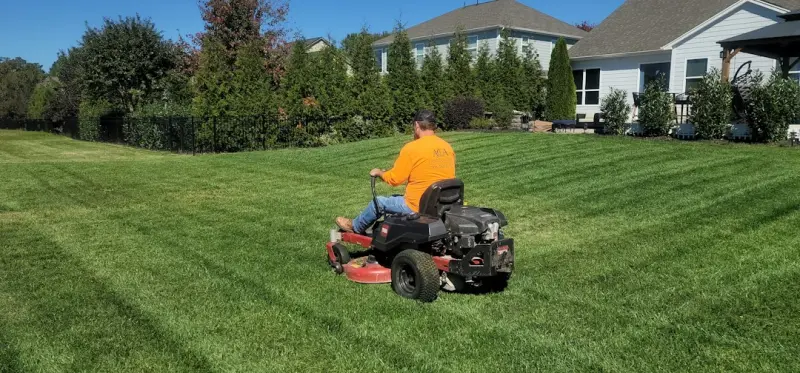
Many of us treat mowing like a chore, but the height at which you cut can dramatically affect root depth and soil shade. A good rule: never remove more than one‑third of the blade length in a single pass. For most cool‑season grasses, a 2.5‑3 inch mowing height keeps the canopy dense, shades the soil, and reduces weed infiltration.
If you’re using a reel mower, you’ll also be gently aerating the surface as the blades cut, providing tiny channels for air and water to move deeper.
Step 6: Embrace Seasonal Rest – Let the Lawn Breathe
During the hottest months, many grasses enter a natural dormancy. Instead of fighting the heat with extra watering and fertilizer, let the lawn take a break. Reduce mowing frequency, raise the blade height a notch, and trust the root system to survive on stored reserves.
In winter, keep foot traffic light and avoid salt applications if possible. Snow and ice melt naturally, and the freeze‑thaw cycle actually helps break up compacted soil layers.
Step 7: Add Functional Beauty – Edging, Mulch, and Habitat
A truly thriving lawn isn’t a uniform green carpet; it’s a landscape that supports pollinators, beneficial insects, and even small mammals. Consider these low‑effort enhancements:
- Native wildflower borders – a thin strip of clover, coneflower, and bee balm along the property line adds color and attracts pollinators without competing with the grass.
- Mulched pathways – replace concrete walkways with bark or wood‑chip paths. They reduce compaction, keep soil cool, and provide a natural look.
- Rock or log refuges – a few strategically placed rocks or a fallen log become shelter for beetles and amphibians, increasing biodiversity.
These touches also help you turn your yard into a resilient asset without turning it into a full‑blown garden.
Step 8: Track Progress – A Simple Lawn Journal
Documenting what you do each season helps you see patterns and adjust tactics. A quick spreadsheet can track:
- Date of soil test and results
- Amendments added (type, amount, depth)
- Mowing height and frequency
- Watering events and rainfall
- Visual observations – color, patchiness, weed pressure
Over a few years you’ll notice which practices produce the most vibrant, low‑maintenance lawn, and you’ll be able to fine‑tune your plan without guesswork.
The Bottom Line: A Lawn That Works With Nature, Not Against It
Switching from a chemical‑heavy regimen to a soil‑first approach feels like moving from a short‑term fix to a long‑term partnership. By nurturing microbes, choosing native grasses, and watering intelligently, you’ll end up with a lawn that stays greener longer, requires fewer inputs, and contributes to the health of the wider ecosystem.
Remember, a thriving lawn is a sign of healthy soil, not a showcase of synthetic products. Start small – a compost amendment this spring, a native seed mix next fall – and watch the transformation unfold. Your neighbors will notice the lush look, but you’ll be the only one who knows the secret is the bustling life underneath.

Kelly Reynolds is a dynamic freelance writer hailing from the picturesque landscapes of Alberta. A master of the written word, she juggles her passion for storytelling with the exhilarating chaos of being a mother to five spirited children. With an impressive portfolio that spans various genres, Kelly captivates readers through her engaging blog posts and thought-provoking articles.
Related Posts

The Intersection of Lawn Care and Sustainable Living
Learn how to adopt sustainable lawn care practices that promote environmental sustainability and cre... Read More
Revitalize Your Lawn: A Soil‑First Strategy for Thriving Grass
A soil‑first approach transforms your lawn into a resilient, low‑maintenance oasis. Learn how to... Read More

The Importance of Sustainable Lawn Care Practices
Sustainable lawn care practices are essential for promoting a healthy and resilient lawn while prote... Read More
Top Posts

Building a Quiet Home: Acoustic Strategies for Modern Construction
Explore how to design and construct a home that prioritizes sound control, from decoupled walls to acoustic windows, ensuring lasting quiet and comfort....Read More

Silencing the Garage: Acoustic Design Strategies for a Quiet Home Gym
A step‑by‑step guide shows homeowners how to tackle reverberation, impact noise, and air sealing, turning a noisy garage into a peaceful, high‑performance...Read More

Reconfigurable Flooring: The Unsung Hero of Hybrid Workplaces
Reconfigurable flooring offers a flexible, sustainable, and brand‑enhancing solution for modern hybrid workplaces, delivering acoustic comfort, easy integrati...Read More

Navigating Construction Permits: A Pragmatic Playbook for Modern Builders
A detailed guide that walks builders through zoning, code compliance, digital filing, inspections, and cost management to turn the often‑troublesome permit pr...Read More
0 Comments
Post Comment
You will need to Login or Register to comment on this post!