
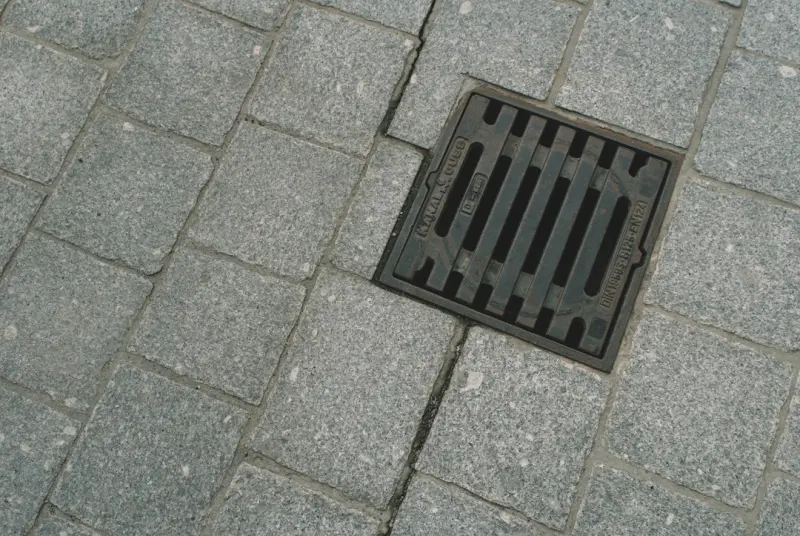
When I first walked into a home with a leak that whispered rather than shouted, I realized that plumbing isn’t just about pipes and fixtures—it’s a silent conversation between water, technology, and the people who live inside the walls. Over the years I’ve seen homeowners chase after quick fixes, only to discover that the real savings lie in listening to the subtle cues that our plumbing systems give us. In this post, I’m pulling back the curtain on the newest wave of smart water‑conservation tools, practical habits, and design choices that turn a traditional plumbing system into a low‑maintenance, cost‑cutting powerhouse.
Why the “quiet” leaks matter more than you think
Most of us think of a leak as a dripping faucet or a burst pipe that makes a splash. The reality is far more insidious: steady, slow‑dripping leaks can waste hundreds of gallons a day without ever making a sound. Those invisible losses manifest as higher water bills, increased mineral buildup, and long‑term wear on your home’s infrastructure.
According to the EPA, a single leaky toilet can waste up to 200 gallons per day. Multiply that by a few unnoticed leaks throughout a house, and you’re looking at a hidden expense that can easily eclipse the cost of a modern smart‑home upgrade.
Enter the IoT: Sensors that speak your language
Smart water sensors have moved beyond simple flow meters. Today’s devices can detect pressure changes, temperature fluctuations, and even the chemical composition of water to pinpoint a problem before it becomes visible. Here’s a quick breakdown of the most useful types:
- Flow‑rate sensors: Attach to main supply lines and send real‑time data to your phone when flow deviates from baseline patterns.
- Pressure transducers: Spot sudden drops that signal a pipe rupture or blockage.
- Humidity detectors: Ideal for basements and crawl spaces, they alert you to moisture buildup that could indicate a hidden leak.
- Smart shut‑off valves: Combine detection with action, automatically closing the water supply when a leak is confirmed.
All of these devices feed into a central hub—often your existing smart‑home ecosystem—allowing you to set thresholds, receive alerts, and even integrate with other systems like smart gutter management for a holistic water‑control strategy.
Building a data‑driven plumbing routine (without re‑hashing the data‑first mindset)
While many articles champion a data‑first plumbing approach, the key is to translate raw numbers into actionable habits. Think of it as turning a spreadsheet into a daily checklist:
- Establish a baseline: Let your sensors run for a week without making changes. This gives you a clear picture of “normal” usage.
- Identify anomalies: Look for spikes that align with specific activities—like running the dishwasher or watering the garden.
- Set alerts: Configure your system to ping you when flow exceeds the baseline by more than 10‑15%.
- Act quickly: Use a smart shut‑off valve or manually turn off the main line if an alert triggers.
- Review monthly: Summarize the data to spot trends (e.g., higher usage in summer) and adjust habits accordingly.
By treating your plumbing system as a living, breathing entity, you can intervene before a tiny drip becomes a costly repair.
Practical, low‑tech habits that complement high‑tech tools
Technology is powerful, but it works best when paired with good old‑fashioned vigilance. Here are some habits that even the most sophisticated sensor suite can’t replace:
- Monthly visual inspections: Look under sinks, around toilets, and behind appliances for signs of moisture or corrosion.
- Check water pressure: A pressure regulator set too high can stress pipes and accelerate leaks. Aim for 40‑60 psi.
- Seal aging fixtures: Use plumber’s tape or silicone around faucet bases and showerheads to prevent slow drips.
- Educate household members: Make everyone aware of how to spot a leak and what to do if an alert fires.
Choosing water‑wise fixtures for the future‑proof home
Beyond detection, the next frontier in plumbing sustainability is water‑wise design. When planning renovations or upgrades, consider these options:
- Low‑flow toilets: Dual‑flush models can cut water usage by up to 50% without sacrificing performance.
- Sensor‑activated faucets: Prevent “run‑off” waste in kitchens and bathrooms.
- Tankless water heaters: Provide hot water on demand, eliminating the standby losses of traditional tanks.
- Grey‑water recycling systems: Reuse sink and shower water for irrigation, reducing overall consumption.
These fixtures not only reduce your water footprint but also often qualify for rebates and incentives from local utilities—another hidden saving you might not have considered.
Integrating plumbing with broader smart‑home ecosystems
When your plumbing sensors talk to other smart devices, you unlock a cascade of efficiencies. Imagine this scenario:
- Your humidity detector in the basement signals an unexpected rise.
- The system cross‑checks with a weather‑forecast API and sees a rainstorm is on the way.
- It automatically closes the smart shut‑off valve for the irrigation system to prevent overwatering.
- Simultaneously, it notifies you via phone and logs the event for future reference.
This level of coordination transforms a reactive approach into a proactive, holistic water‑management strategy.
Financial benefits: From immediate savings to long‑term ROI
Let’s put some numbers to the discussion. A typical family of four in the U.S. uses about 400 gallons of water per day. By installing a smart shut‑off valve and low‑flow fixtures, many homeowners report a 15‑20% reduction in water usage. At an average cost of $2 per 1,000 gallons, that translates to roughly $30‑$40 saved each month—over $400 in the first year, often enough to cover the upfront cost of the smart devices.
Moreover, early leak detection can prevent expensive water damage. The average water‑damage claim in the U.S. exceeds $7,000. Avoiding just one major incident pays for a comprehensive smart‑plumbing setup many times over.
Getting started: A step‑by‑step roadmap
If the idea of turning your plumbing into a smart, leak‑free system feels overwhelming, break it down into manageable phases:
Phase 1: Assess and Install Core Sensors
- Choose a reputable flow‑rate sensor for the main water line.
- Install a humidity detector in the basement and under the kitchen sink.
- Pair devices with a central hub (e.g., Amazon Echo, Google Nest) that supports automation.
Phase 2: Upgrade Fixtures
- Replace toilets with dual‑flush models.
- Install sensor‑activated faucets in high‑traffic areas.
- Consider a tankless water heater if hot‑water demand is high.
Phase 3: Automate and Optimize
- Create automation rules: “If flow > 10% above baseline for 5 minutes, shut off main valve and send alert.”
- Integrate with weather services to modulate irrigation.
- Schedule monthly reviews of usage reports.
Phase 4: Expand and Refine
- Add smart shut‑off valves to individual appliances.
- Explore grey‑water recycling options for outdoor landscaping.
- Continuously tweak thresholds based on seasonal patterns.
By following this roadmap, you can evolve from a “set‑and‑forget” plumbing system to an adaptive, intelligent network that safeguards both your wallet and the planet.
Closing thoughts: The quiet revolution is already here
Plumbing has always been the backbone of a comfortable home, yet it’s often the most overlooked. The convergence of affordable sensors, smart valves, and water‑wise fixtures is turning that quiet, hidden infrastructure into a visible, controllable asset. As we move toward increasingly sustainable living, the smartest homes will be the ones that listen to the subtle whisper of their pipes and respond before a drip becomes a disaster.
Ready to give your water system a voice? Start by installing a single flow sensor, set your alerts, and watch the savings roll in. The future of plumbing isn’t just about fixing problems—it’s about preventing them, one smart drop at a time.

Kelly Reynolds is a dynamic freelance writer hailing from the picturesque landscapes of Alberta. A master of the written word, she juggles her passion for storytelling with the exhilarating chaos of being a mother to five spirited children. With an impressive portfolio that spans various genres, Kelly captivates readers through her engaging blog posts and thought-provoking articles.
Related Posts

Turning Waste into Resource: Grey‑Water Recycling Strategies for Modern Buildings
Grey‑water recycling transforms bathroom and laundry runoff into a valuable water source, deliveri... Read More
The Sustainability Shift in Plumbing: A Greener Future for Your Home
Learn how to make your home more eco-friendly with sustainable plumbing practices, innovative soluti... Read More

Seasonal Plumbing Checkups: The Proactive Homeowner’s Secret to Leak‑Free Living
A practical guide to seasonal plumbing maintenance, offering checklists, early warning signs, and sm... Read More
Top Posts

Restoring Furniture as Sustainable Storytelling: Data, Craft, and Circular Design
A deep dive into merging traditional furniture restoration with predictive data, sustainable materials, and scalable business models, showing how each piece can...Read More
From Backyard Shed to Productivity Hub: Designing a Flexible Outdoor Workspace
Transform an ordinary shed into a bright, eco‑friendly office space that boosts focus, blends indoor work with outdoor calm, and stays future‑ready with sma...Read More

Eco‑Focused Plastering: Green Materials & Future Techniques
A deep dive into modern plastering reveals eco‑friendly mixes, breathable walls for better indoor air, embedded sensors for real‑time monitoring, and prefab...Read More

The Evolution of Sustainable Drywalling: A Comprehensive Guide
Sustainable drywalling involves the use of eco-friendly materials, techniques, and practices that minimize waste and reduce the environmental impact of the cons...Read More
0 Comments
Post Comment
You will need to Login or Register to comment on this post!