
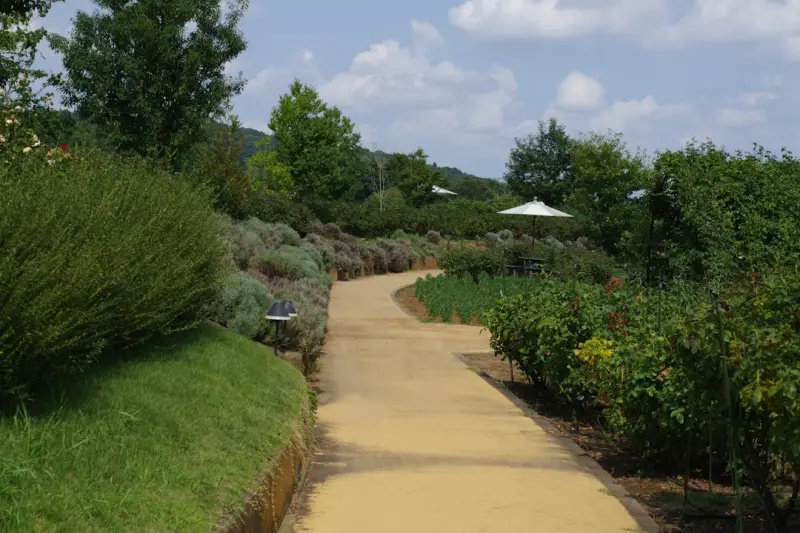
Why Scented Pathways Matter
Walking through a garden should feel like an invitation to linger, and the most memorable invitations are made with scent, not just sight. Fragrant borders turn a simple walk into a multi‑sensory experience that calms the mind, stimulates curiosity, and subtly guides foot traffic toward hidden corners of the yard. I discovered this power first on a rainy afternoon when the aroma of rosemary and lavender coaxed me to pause, breathe, and rethink how I design the spaces I inhabit.
Choosing the Right Aromatics for Every Season
The secret to a year‑round scented pathway lies in selecting plants that bloom, release fragrance, or emit aromatic foliage at different times, creating a seamless olfactory calendar. Early spring can be dominated by hyacinth and sweet peas, mid‑summer thrives with gardenias and mint, while autumn brings the spicy notes of sage and the warm whisper of dried rosemary. By layering these species thoughtfully, you avoid the pitfall of a single‑season fragrance and ensure that each stroll feels fresh and purposeful.
Soil Preparation and Drainage Essentials
Before planting, I treat the soil as a canvas, enriching it with organic compost, coarse sand, and a touch of volcanic ash to improve drainage and encourage vigorous root development. A well‑draining bed prevents water‑logged roots, which can mute a plant’s aromatic potential and invite disease. Once the substrate is ready, I map out the pathway in gentle curves, allowing the plants to follow the natural flow rather than a rigid straight line.
Designing with Height and Texture
Height variation adds visual intrigue and influences how scent travels; taller herbs like basil release their fragrance higher, while low‑lying groundcovers such as thyme keep the aroma close to the footfall. Pairing contrasting textures—soft, feathery foliage against crisp, glossy leaves—creates a tactile landscape that invites barefoot exploration, enhancing the overall sensory impact. I often intersperse ornamental grasses to act as natural scent diffusers, letting breezes carry their subtle whispers across the path.
Integrating Hardscape Elements
Stone pavers, reclaimed wood steps, and decorative metal grates become more than functional surfaces when they are thoughtfully integrated with fragrant plantings. I embed shallow planting pockets into the joints of flagstones, allowing thyme or creeping rosemary to spill over the edges, turning each footfall into a fragrant note. Adding a modest water feature, such as a bubbling pebble basin, amplifies scent distribution by creating upward air currents that lift volatile oils into the surrounding air.
Maintenance Strategies that Preserve Aroma
Regular pruning is essential; cutting back spent blooms and overgrown foliage not only encourages new growth but also prevents the buildup of muted, woody scents that can dull the garden’s perfume. I schedule a light trimming after each major bloom cycle, using clean, sharp shears to avoid bruising the stems, which can release bitter notes. Mulching with cedar chips not only suppresses weeds but also contributes its own sweet, resinous scent that melds seamlessly with the planted aromatics.
Seasonal Accents and Decorative Touches
Beyond plants, I incorporate seasonal accessories—hand‑crafted lanterns, copper wind chimes, and herb‑scented sachets tucked into stone crevices—to deepen the immersive experience. During harvest time, I swap out summer herbs for dried lavender bundles, allowing the scent to linger even after the living foliage recedes. These subtle shifts keep the pathway dynamic, encouraging repeat visits and fostering a deeper emotional connection with the garden.
Eco‑Friendly Practices for a Sustainable Aroma Garden
Choosing native or well‑adapted species reduces water usage and minimizes the need for chemical inputs, ensuring that the fragrance is a product of healthy, balanced ecosystems. I employ drip irrigation hidden beneath the stepping stones, delivering water directly to the root zones while keeping the surface dry—a technique highlighted in smart sustainable awnings for its energy‑saving principles. By composting plant trimmings on site, I close the nutrient loop, feeding the soil that nurtures the next generation of aromatic blooms.
Inviting Community and Family Engagement
A scented pathway is a perfect backdrop for interactive activities like a family herb‑picking day or a neighborhood scent‑identification game, turning the garden into a living classroom. I often host seasonal workshops where participants create their own DIY potpourri using harvested blossoms and leaves, reinforcing the connection between effort and reward. These experiences not only deepen personal appreciation for the garden but also spread the joy of fragrant design throughout the community.

William Roy is a freelance writer originally from Montreal who moved to Ottawa with his wife of 50 years to be closer to their grandkids. Alongside his writing, William has a passion for fishing.
Related Posts
How I Turned My Home Into a Sustainable Smart Sanctuary
From energy inspections to smart lighting and reclaimed materials, follow my hands‑on journey turn... Read More
Cultivating a Year‑Round Pollinator Paradise in Urban Gardens
Discover step‑by‑step strategies to create a year‑round pollinator garden in tight urban space... Read More
Pocket Greenhouses: Big Harvests From Tiny Spaces
Learn how to create a pocket greenhouse that maximizes limited outdoor space, offering continuous fr... Read More
Top Posts

Permit Power: Turn Red Tape into Project Momentum
A seasoned contractor shares proven strategies to streamline permit approvals, leveraging digital tools, predictive analytics, and relationship building to keep...Read More

The Ultimate Renovation Checklist for Acoustic Excellence
A detailed, actionable checklist guides property managers and designers through acoustic planning, material selection, layout optimization, and post‑occupancy...Read More

Embracing Sustainable Plastering: A New Era for Eco-Friendly Walls
Sustainable plastering is revolutionizing the construction industry, offering a healthier, more durable, and eco-friendly alternative to traditional plastering ...Read More

Listening to the Leaves: How Data-Driven Tree Care is Redefining Urban Green Spaces
A deep dive into how modern sensors, AI analytics, and community engagement turn traditional tree maintenance into a proactive, data‑driven practice that enha...Read More
0 Comments
Post Comment
You will need to Login or Register to comment on this post!