
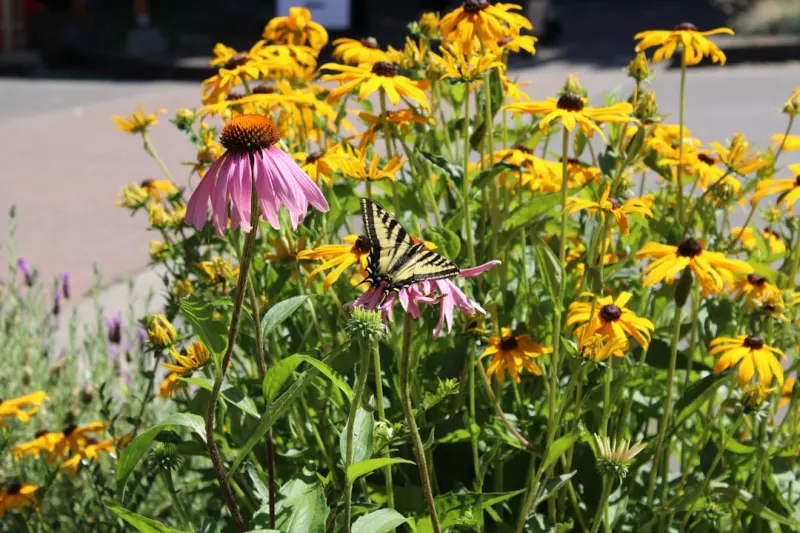
Why a Pollinator‑Focused Garden Deserves a Spot in Every Urban Home
When I first moved into a modest loft with a tiny balcony, I thought my green thumb would be limited to a few herb pots. That notion shattered the moment a lone bumblebee hovered over a rosemary sprig one breezy afternoon. In that instant, I realized that even the smallest slice of outdoor space can become a bustling ecosystem—if we design it with intention. This post is my hands‑on guide to turning any urban nook into a year‑round pollinator paradise, complete with practical tips, low‑budget DIY projects, and a sprinkle of smart tech that amplifies, rather than distracts from, nature’s rhythm.
Understanding the Cast: Who Are We Really Feeding?
Pollinators aren’t just honey‑loving bees. In the cityscape, the roster includes solitary mason bees, hoverflies, butterflies, moths, and even certain beetles. Each group has its own foraging habits, flight periods, and nesting preferences. Knowing these nuances helps you choose the right plant palette and habitat features.
- Honeybees thrive on abundant, nectar‑rich blossoms and need a steady supply of pollen throughout the warm months.
- Mason bees prefer solitary, hollow‑stem flowers and nest in tiny cavities—think drilled wood blocks or rolled bamboo.
- Hoverflies are attracted to shallow, open‑blooming flowers and lay eggs on aphid‑infested plants, providing natural pest control.
- Butterflies & moths need both nectar sources and host plants where larvae can feed—milkweed for monarchs, fennel for swallowtails, etc.
By catering to this diverse audience, you create a resilient garden that blooms with activity even when one species takes a seasonal break.
Selecting the Right Plants: A Seasonal Symphony
The cornerstone of any pollinator garden is a well‑curated plant list that offers continuous bloom from early spring through late fall. Below is a sample lineup broken down by season, each chosen for its attractiveness to multiple pollinator groups and its suitability for container or balcony growth.
Early Spring (March–May)
- Salvia nemorosa – spikes of violet nectar that draw bumblebees and hoverflies.
- Phacelia – a fast‑growing annual that produces small white flowers loved by solitary bees.
- Crocus – early‑season bulbs that provide the first carbohydrate boost for emerging insects.
Summer (June–August)
- Lavandula angustifolia (English lavender) – fragrant, drought‑tolerant, a magnet for honeybees and butterflies.
- Echinacea purpurea – bold daisies that host both bees and butterfly larvae.
- Verbena bonariensis – tall, airy spikes that accommodate hoverflies and long‑tongued bees.
Fall (September–November)
- Aster novae‑angliae – late‑blooming asters keep the garden humming as temperatures dip.
- Heuchera – foliage adds visual interest while the tiny flowers attract mason bees.
- Goldenrod (Solidago) – often maligned, but a true nectar powerhouse for late‑season pollinators.
When space is at a premium, opt for compact varieties or dwarf cultivars. Stacking vertical grow towers or using tiered rail planters maximizes planting surface without sacrificing airflow—crucial for healthy pollinator visitation.
Designing for All Seasons: Microclimate Meets Macro‑Purpose
Even the most meticulous plant selection can falter if the garden’s microclimate isn’t considered. Sun, wind, and temperature fluctuations on balconies differ dramatically from ground‑level gardens. Here’s how to engineer a micro‑environment that works year‑round:
- Sun exposure mapping: Use a simple sun‑tracking app or a DIY method—place a white sheet on the balcony and note the sun’s path each hour. Position sun‑loving plants on the brightest side, and shade‑tolerant species in the shadowed zones.
- Windbreaks: A lightweight lattice or a row of tall, potted bamboo can shield delicate blooms from gusts while still allowing pollinators to navigate.
- Thermal buffering: Dark‑colored pots absorb heat during the day and release it slowly at night, extending the active period for early‑season insects.
These tactics echo the principles outlined in Microclimate Mastery: Designing Gardens That Thrive in Every Season, but are adapted specifically for compact urban settings.
DIY Habitat Features: Low‑Cost, High‑Impact Additions
Pollinators need more than just flowers; they need safe places to rest, nest, and hydrate. Below are three simple projects you can finish in an afternoon, using materials you likely already have.
1. Bee‑Brick Nesting Blocks
Gather a few old bricks, drill a series of ¼‑inch holes in each, and stack them on a sunny corner. Fill the holes with a mix of bamboo tubes, drilled wood blocks, or even rolled-up paper. This creates a modular mason‑bee hotel that can be expanded as your pollinator population grows.
2. Watering Wicks
Pollinators need a shallow water source, but a stagnant puddle can become a mosquito breeding ground. Fill a shallow saucer with pebbles and add a few drops of water daily. For a self‑refilling option, thread a cotton wick from a larger reservoir (like a rain barrel) into the saucer—think of it as a miniature rain‑harvesting system for insects.
3. Solar‑Powered Light Panels
Even in the evening, many pollinators—especially moths—navigate using ambient light. Install a low‑intensity, solar‑powered LED strip along the balcony railing. Set the timer to dim after dusk, providing a subtle glow that attracts nocturnal visitors without overwhelming daytime pollinators.
Water and Soil Management: Keep It Simple, Keep It Sustainable
Urban gardens often rely on container media, which can dry out quickly under direct sun. Adopt a “soil‑life first” approach:
- Compost tea watering: Dilute a cup of brewed compost tea in a gallon of water and feed it to your plants once a week. This adds beneficial microbes that improve nutrient uptake and flower production.
- Mulching with recycled materials: Shredded newspaper, pine needles, or even coconut coir create a moisture‑retaining layer, reducing watering frequency.
- Rain‑catching containers: Place a shallow rain barrel or large saucer beneath an overhang to collect runoff, then use that water for your garden—closing the loop without the need for elaborate plumbing.
Integrating Smart Tech Wisely: Light, Data, and Minimal Distraction
Technology can amplify your garden’s effectiveness, but it should never dominate the natural experience. A few subtle upgrades can provide insight and convenience while keeping the focus on flora and fauna:
- Smart humidity sensors: Pair a compact sensor with a phone notification to remind you when the soil is drying out—perfect for busy professionals.
- App‑controlled irrigation timers: Set a schedule that aligns with sunrise, ensuring water is delivered when pollinators are most active.
- Intelligent lighting: Borrow ideas from Smart Window Treatments and use automated shade sails that retract during hot midday hours, protecting delicate blossoms from heat stress.
Maintenance Made Simple: A Minimalist Routine That Keeps the Buzz Alive
One of the biggest barriers to maintaining a pollinator garden is the perception that it demands constant, labor‑intensive care. In reality, a focused weekly routine keeps plants healthy and pollinators thriving:
- Weekly inspection: Walk the garden, note any wilted flowers, and prune them promptly. Removing spent blooms encourages the plant to produce fresh blossoms.
- Bi‑weekly soil check: Stick your finger an inch deep; if it feels dry, water thoroughly. Otherwise, let the soil rest.
- Monthly habitat refresh: Rotate bee‑brick blocks, replace any damaged nesting tubes, and clean water saucers to prevent algae buildup.
With this streamlined schedule, you’ll spend less than an hour a week, yet your garden will reward you with a chorus of buzzing and fluttering all season long.
The Bigger Impact: From Balcony to City‑wide Biodiversity
When dozens of residents adopt pollinator‑friendly practices, the cumulative effect ripples through the urban ecosystem. More pollinators mean higher fruit set for community gardens, improved health for local bird populations, and a measurable increase in urban biodiversity indices. Moreover, the aesthetic and mental‑health benefits of watching nature thrive in your own small space are priceless—stress drops, creativity spikes, and a sense of stewardship deepens.
Conclusion: Your Urban Oasis Awaits
Creating a year‑round pollinator paradise isn’t reserved for sprawling backyards or professional horticulturists. With intentional plant choices, clever microclimate tweaks, low‑cost habitat DIYs, and a sprinkle of smart tech, any balcony, rooftop, or window box can become a vibrant sanctuary for bees, butterflies, and beyond. Start small, observe the patterns, and let the garden evolve organically. In the end, the most rewarding part isn’t just the visual bloom—it’s the buzzing chorus that reminds you that even in the concrete jungle, life finds a way.

Tom Ferguson is a Canadian freelance writer with a passion for storytelling, current events, and thoughtful commentary. Drawing on years of writing experience, he shares engaging insights on a wide range of topics, bringing a uniquely Canadian perspective to his work.
Related Posts

The Surprising Power of Home Composting: Turning Kitchen Scraps into Garden Gold
Learn why home composting is a game‑changer for your garden, from choosing the right bin to troubl... Read More
How to Build a Low‑Maintenance Water Feature That Transforms Your Garden
Learn how to design, install, and maintain a low‑maintenance water feature that enhances your gard... Read More
Cultivating Backyard Microclimates: A Hands‑On Guide to Year‑Round Harvest
Discover practical steps to map sunlight, manage water, improve soil, and select plants for distinct... Read More
Top Posts

The Hidden Dangers of Dirty Ducts: Why Duct Cleaning Matters
Dirty ducts can harbor contaminants that exacerbate respiratory issues and reduce HVAC efficiency. Learn why duct cleaning matters and how to keep your ducts cl...Read More

Beyond the Fuse Box: How Modular Power Grids Are Powering the Next Generation of Smart Buildings
Traditional electrical systems are rigid and wasteful, but modular power distribution combined with AI energy management offers scalable, resilient, and cost‑...Read More
Smart Budgeting Strategies for a High‑Impact Bathtub Refinishing Project
Discover a data‑driven approach to budgeting bathtub refinishing, uncover hidden costs, and boost your home’s value with smart financing and sustainable coa...Read More
Mastering Layered Window Treatments for Light, Comfort, and Style
Learn the art of layering curtains, blinds, and sheers to master light, privacy, and comfort—plus tips on materials, tech integration, and budget-friendly upg...Read More
0 Comments
Post Comment
You will need to Login or Register to comment on this post!