

Why Weather‑Proofing Is No Longer Optional
When I first moved into my own place, I thought a coat of paint and a fresh coat of sealant would be enough to keep the elements at bay; I was wrong. Over the years I’ve watched storm fronts slam against my windows, humidity creep into the attic, and a single burst pipe turn a basement into a miniature lake, and I’ve learned that weather‑proofing isn’t a cosmetic upgrade—it’s the foundation of a home’s longevity, comfort, and resale value, especially as climate patterns grow more erratic.
Start With a Home‑Wide Vulnerability Audit
The first step in any serious weather‑proofing plan is to conduct a systematic audit that goes beyond a cursory glance; walk the perimeter, examine the roofline, and feel the draft around doors and windows while a trusted flashlight reveals hidden cracks. I keep a notebook and a digital camera, marking every gap larger than a quarter‑inch, every cracked caulk bead, and every sign of water staining, because a documented inventory turns vague worries into actionable projects and prevents the costly surprise of a hidden leak during the next rainstorm.
Seal Every Gap With Modern Weather Stripping
Once you’ve cataloged the weak points, the most cost‑effective weapon in your arsenal is high‑quality weather stripping, and I’ve found that the newer silicone‑filled tapes outperform traditional felt strips in both durability and temperature resistance. Apply the tape in overlapping layers, pressing firmly to eliminate air pockets, and don’t forget the often‑overlooked spots behind interior doors, attic hatches, and the sill plates of exterior doors—those tiny openings are the silent culprits that let drafts and moisture infiltrate, raising heating bills and compromising indoor air quality.
Upgrade Doors and Windows With Proven Barriers
Even the most elegant French doors can become a liability if their frames are not reinforced, so I recommend installing reinforced strike plates, adding a secondary locking system, and sealing the perimeter with a weather‑resistant caulk that remains flexible over temperature swings. While you’re at it, consider pairing those upgrades with smart window treatments that automatically adjust shading based on solar intensity, cutting down on heat gain in summer and heat loss in winter without sacrificing natural light.
Fortify the Roof and Attic Before the Next Storm
The roof is the first line of defense against rain, wind, and snow, yet many homeowners ignore the attic’s role in managing moisture; I always start by inspecting flashing, replacing any corroded metal, and ensuring the ridge vents are clear of debris. Adding a layer of reflective insulation beneath the roof deck not only reduces heat transfer but also creates a buffer zone that slows down any water that does manage to seep through, giving you precious time to address the issue before it reaches the living spaces below.
Protect the Foundation and Basement From Infiltration
Water pressure against your foundation can force moisture through even the smallest cracks, so I advocate installing a perimeter drainage system that channels runoff away from the house and installing a reliable sump pump with a battery backup for power outages. In conjunction with this, apply a breathable, waterproof sealant to interior basement walls; it allows moisture vapor to escape while preventing liquid water from soaking through, a balance that keeps the space dry without trapping humidity that could lead to mold.
Choose Resilient Exterior Finishes With Adaptive Masonry Techniques
Exterior cladding is more than a design choice—it’s a shield against wind-driven rain, and modern adaptive masonry blends traditional stone aesthetics with engineered composites that flex slightly under pressure, reducing the risk of cracks during temperature extremes. If you’re renovating your façade, explore options that incorporate a built‑in moisture barrier and a ventilated air gap, which together allow the wall to “breathe” while diverting water away from the structural frame, a principle I’ve seen work wonders on homes in both humid coastal zones and dry inland regions. For deeper insight, see The Art of Adaptive Masonry for a thorough walkthrough.
Leverage Energy‑Saving Paints To Complement Physical Barriers
While sealing and structural upgrades handle the bulk of moisture and draft issues, the finish on your walls can add a subtle yet measurable layer of protection; reflective, low‑VOC paints act like a thermal blanket, reflecting radiant heat in summer and retaining warmth in winter, which reduces the load on HVAC systems. Pairing these paints with proper insulation creates a synergistic effect that not only boosts comfort but also translates into lower utility bills—an approach I detail in Turn Your Walls into Energy‑Saving Assets with Smart Paint.
Establish a Seasonal Maintenance Rhythm for Long‑Term Resilience
The final piece of the puzzle is a disciplined maintenance schedule that treats weather‑proofing as an ongoing commitment rather than a one‑time project; I set reminders for quarterly inspections of caulking, semi‑annual roof checks after leaf fall, and annual testing of sump pump functionality before the rainy season. By logging each task, noting any wear, and addressing issues promptly, you create a living shield that adapts to changing weather patterns, ensuring that your home remains a sanctuary of comfort, efficiency, and safety for years to come.

Paul Gray is a dynamic blogger based in Brampton, where he shares his life with his amazing wife, Sarah. Known for his engaging writing style and relatable insights, Paul has carved out a niche in the blogging world that resonates with readers from all walks of life. When he's not crafting captivating posts, you can find him savoring a cold beer or indulging in the latest blockbuster movie. With a friendly demeanor and a passion for storytelling, Paul brings a unique perspective to his work, making him not just a blogger, but a voice for those who appreciate the simple joys of life.
Related Posts
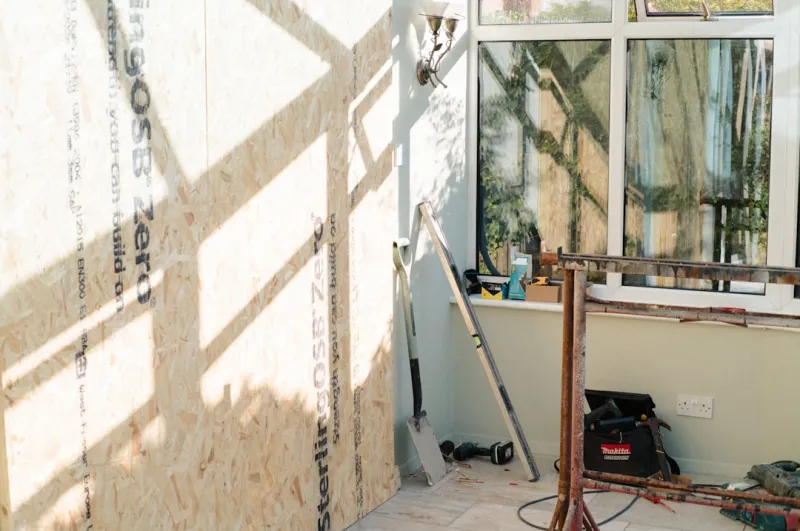
Mastering Home Weather Proofing: A Sustainable, Smart Approach
A practical guide to weather proofing your home, blending smart tech, sustainable materials, and eas... Read More
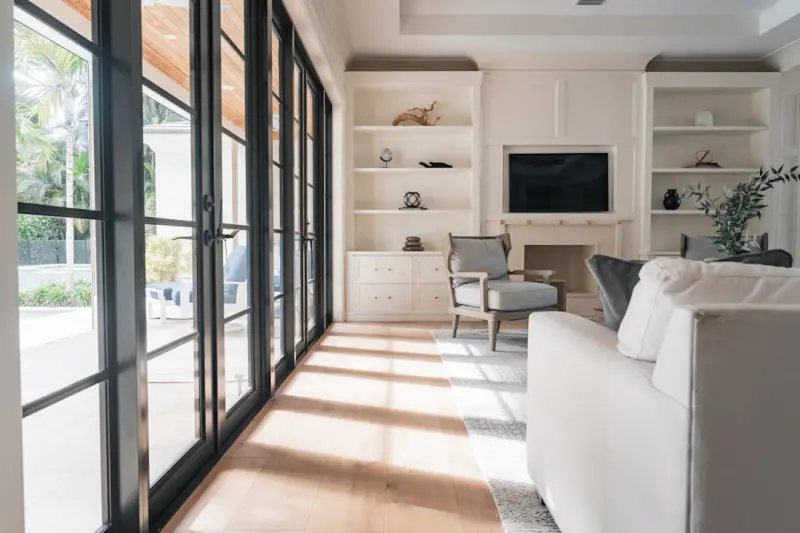
Weatherproofing Your Home Without Sacrificing Style: A Practical Guide
Discover a comprehensive, design‑forward approach to weatherproofing that blends smart materials, ... Read More

Micro‑Climate Mastery: Transform Your Home into a Natural Weather‑Proof Fortress
Learn to harness nature and technology to weather‑proof your home, from strategic plantings to sma... Read More
Top Posts

Warmth Underfoot: Why Floor Heating is a Game-Changer for Home Comfort
Floor heating is a game-changer for home comfort, providing energy efficiency, even heat distribution, and low maintenance requirements. Learn why it's a smart ...Read More

Reviving Historic Woodwork: A Step‑by‑Step Restoration Guide
A detailed guide walks you through assessing, repairing, and finishing original woodwork, blending heritage preservation with today’s performance standards....Read More
When Your Fridge Starts Speaking: A Fresh Look at Appliance Repair
Learn how to shift from reactive fixes to proactive care, choose eco‑friendly repair partners, and use simple maintenance habits to extend appliance life and ...Read More
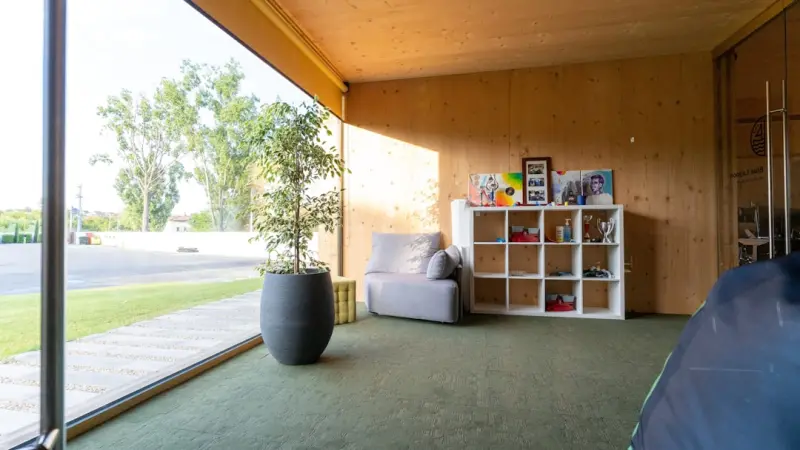
Sunrooms as Data‑Driven Wellness Pods: Merging Light, Sensors, and Ergonomics
Discover how to convert a traditional sunroom into a data‑driven wellness pod, using adaptive glass, environmental sensors, and ergonomic zones to enhance emp...Read More
0 Comments
Post Comment
You will need to Login or Register to comment on this post!