
Why Weather Proofing Is My First Home‑Improvement Obsession
When I first noticed the subtle drafts sneaking through the hallway door, I realized my cozy nest was silently surrendering heat to the outside world, and that revelation sparked my deep dive into weather proofing. Every degree of lost warmth not only inflates utility bills but also undermines the sustainable foundation I’ve been building since I transformed my home into a smart sanctuary. From that moment, I treated each seal, each insulation upgrade, and every smart sensor as a personal mission to protect both my comfort and the planet.
Assessing Climate Risks with Smart Sensors
Before I could patch anything, I needed a clear picture of where my house was most vulnerable, so I installed a network of Wi‑Fi‑enabled humidity and temperature sensors that whispered real‑time data to my phone. These devices highlighted hidden moisture pockets behind the kitchen wall, unexpected heat loss around the attic hatch, and a seasonal swing in pressure that forced cold air through the smallest cracks. Armed with that intel, I could prioritize fixes that delivered the biggest energy efficiency gains without guesswork.
Sealing Gaps and Upgrading Insulation
Armed with sensor data, I tackled the most egregious leaks by applying high‑performance caulk and weather‑strip around doors, windows, and the occasional forgotten utility vent. I also swapped my old fiberglass batts for blown‑in cellulose, a choice that not only boosts R‑value but aligns with my commitment to sustainable materials, echoing the principles I explored in The Rise of Smart, Sustainable Window Treatments. The result was a noticeable, immediate rise in indoor temperature stability that felt like the house finally breathed easier.
Reinforcing the Roof and Gutter System
The roof is the ultimate frontline against rain, snow, and wind, so I upgraded to impact‑resistant shingles that promise longevity and lower the chance of water infiltration during storms. Pairing that with a seamless gutter system equipped with leaf guards ensured that runoff was directed away from the foundation, mitigating the risk of basement seepage—a concern I later addressed in depth when I Transformed My Basement Into a Sustainable Smart Living Hub. By reinforcing these external barriers, I created a protective envelope that lets the interior climate remain blissfully undisturbed.
Smart, Sustainable Window Treatments for Seasonal Control
Windows are both aesthetic focal points and thermal gateways, so I invested in automated blinds that adjust based on sun intensity, a strategy detailed in The Art of Sustainable Window Treatments: Style Meets Efficiency. These blinds close automatically during the hottest afternoon hours, reducing solar heat gain, and open at sunrise to let in natural warmth, slashing reliance on HVAC systems. The seamless integration with my home’s smart hub means the adjustments happen silently, preserving the view while optimizing energy performance.
Protecting Outdoor Living Spaces with Weather‑Resilient Decking
My deck, once a seasonal playground, now sees year‑round enjoyment thanks to a waterproofing membrane and reclaimed composite decking that resists moisture and UV degradation. By treating the deck as an extension of the weather‑proofed envelope, I ensured that rainwater runs off without seeping into the substructure, a concept I elaborated on in Revitalizing Outdoor Living: The Smart, Sustainable Deck Transformation. The deck’s durability not only adds living space but also reduces the need for frequent repairs, aligning perfectly with my sustainability goals.
Basement Waterproofing: The Unsung Hero of Home Comfort
Because basements are prone to hidden moisture, I installed a perimeter drainage system coupled with a vapor barrier that redirects water away before it can compromise walls or flooring. I also added a smart dehumidifier that alerts me when humidity spikes, allowing preemptive action before mold threatens the space. This layered approach mirrors the strategy I detailed in my basement makeover post, turning a potentially problematic area into a climate‑controlled haven that supports both storage and occasional gatherings.
Creating a Long‑Term Maintenance Routine and Future‑Proofing
Weather proofing isn’t a one‑time project; it’s an ongoing commitment, so I drafted a seasonal checklist that includes inspecting sealant integrity, cleaning gutters, and testing sensor alerts, a habit reinforced by the insights from DIY Home Repairs: Turning Everyday Fixes into Sustainable Wins. By scheduling these tasks, I catch minor issues before they balloon into costly repairs, ensuring my home remains a resilient, energy‑efficient sanctuary for years to come. Ultimately, the blend of smart technology, sustainable materials, and diligent upkeep creates a harmonious ecosystem where comfort and responsibility coexist.

Kelly Reynolds is a dynamic freelance writer hailing from the picturesque landscapes of Alberta. A master of the written word, she juggles her passion for storytelling with the exhilarating chaos of being a mother to five spirited children. With an impressive portfolio that spans various genres, Kelly captivates readers through her engaging blog posts and thought-provoking articles.
Related Posts

Turning Your Yard into a Natural Weather Guard
Discover a fresh, landscape‑first approach to weather‑proofing that uses grading, windbreaks, th... Read More

Building a Weather-Resilient Home Without Breaking the Bank
A practical guide from seasoned contractor Craig Brett on creating a weather‑resilient home throug... Read More

Weathering the Storm: A Comprehensive Guide to Home Weather Proofing
Weather proofing your home is crucial for protecting your investment, preventing costly repairs, and... Read More
Top Posts
Mastering One-Tool DIY Home Repairs: A Minimalist’s Guide
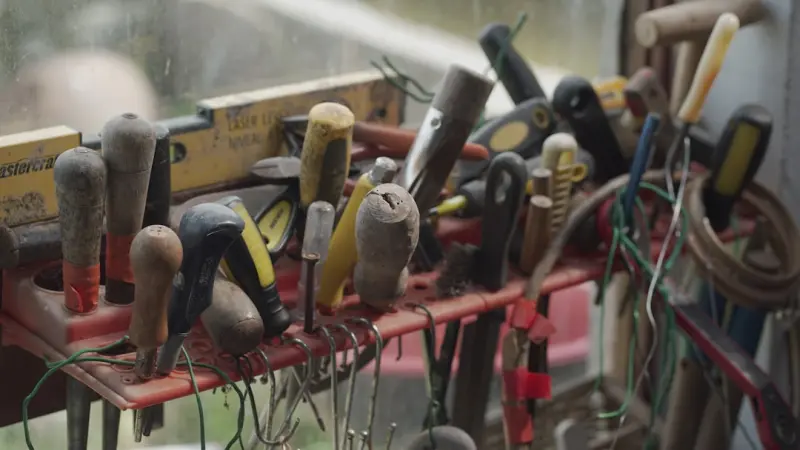
A minimalist toolkit of four multi-purpose tools can handle the majority of DIY home repairs. Discover how to use each tool for plumbing, electrical, flooring, ...Read More

The Evolution of Sustainable Property Maintenance: A Greener Future for Your Home
Sustainable property maintenance is on the rise, and it's revolutionizing the way we care for our homes. Learn how to make your home more eco-friendly and contr...Read More

The Rise of Intelligent Countertops: Where Function Meets Future
Countertops are evolving beyond static surfaces into data‑rich, health‑centric, and eco‑friendly platforms. This post explores embedded sensors, antimicro...Read More

Data-Driven Snow Removal: How to Plan, Prioritize, and Save Time
Discover a data‑focused approach to snow removal that helps you schedule trips, allocate resources, and stay ahead of storms—saving time, money, and stress....Read More
0 Comments
Post Comment
You will need to Login or Register to comment on this post!