

Why a Thoughtful Budget Is the First Step to a Successful Refinishing
When you first consider giving your aging tub a fresh lease on life, the most tempting impulse is to focus on the visual transformation, yet the budget planning phase silently determines whether the project will stay on schedule or spiral into unexpected expenses; a disciplined approach forces you to quantify every material, labor hour, and contingency before a single brushstroke is applied, turning vague optimism into a concrete financial roadmap that can be reviewed and adjusted as needed. In practice, homeowners who allocate a clear, line‑item budget discover they can negotiate more confidently with contractors, set realistic expectations for themselves, and avoid the common pitfall of “budget creep” that often follows an ill‑defined cost structure. By treating the bathtub as a strategic investment rather than a cosmetic afterthought, you lay the groundwork for a project that not only enhances daily comfort but also contributes measurable equity to your property.
Breaking Down the Core Cost Elements of a Refinishing Project
The headline figure you see advertised for bathtub refinishing rarely reflects the full suite of components that compose the final bill, because the price is built from a mosaic of surface preparation, coating selection, labor expertise, and post‑application protection; surface preparation alone can include sanding, crack filling, and rust removal, each requiring specialized tools and consumables that add up quickly. The choice of coating—whether a traditional epoxy, a high‑gloss acrylic, or an emerging nano‑ceramic system—dramatically influences material costs, durability expectations, and the need for additional sealants, while skilled labor is priced not just by the hour but also by the technician’s experience level, warranty offerings, and local market demand. Understanding how these three pillars intersect lets you compare quotes on an apples‑to‑apples basis, ensuring that a low‑ball estimate isn’t hiding shortcuts that could compromise the finish’s longevity.
Hidden Expenses That Can Sneak Into Your Refinishing Quote
Beyond the obvious line items, a savvy homeowner anticipates hidden expenses that frequently surface once the project is underway, such as the need to repair minor chips or chips that become apparent only after the initial sanding reveals underlying porcelain flaws, which can require specialized filler compounds and extra labor time. Water intrusion or mold behind the tub, often unnoticed during a cursory inspection, may demand waterproofing membranes or localized wall replacement, a cost that can double the original estimate if not identified early; similarly, permits or insurance adjustments required by local building codes can introduce fees that, while modest individually, collectively strain a tight budget. By conducting a thorough pre‑project audit and requesting a detailed breakdown from potential contractors, you create a safety net against surprise charges that could otherwise erode the financial benefits you expect from refinishing.
Calculating the Real Return on Investment for a Refinished Tub
While the aesthetic uplift of a gleaming tub is immediate, the true return on investment emerges over time through increased resale value, extended service life, and avoided replacement costs; industry data suggest that a professionally refinished bathtub can command an additional $2,000‑$3,000 in home appraisal value, a figure that far outweighs the average $500‑$1,200 outlay for a quality refinishing job. When you compare this to the expense of a full tub replacement—often exceeding $3,000 in material and labor alone—the cost‑benefit analysis tilts sharply in favor of refinishing, especially when the existing plumbing remains functional and the tub’s structural integrity is sound. For homeowners seeking a quantifiable edge, linking to related insights such as the deep dive on hidden benefits can provide additional context for making an evidence‑based decision.
Financing Options: Making the Project Affordable Without Sacrificing Quality
Even with a well‑crafted budget, the upfront cash outlay for a premium refinishing job can feel daunting, prompting many homeowners to explore financing alternatives that spread the cost over manageable intervals while preserving cash flow for other home improvement priorities. Credit cards with introductory 0% APR periods, home equity lines of credit (HELOCs) that tap into accumulated property equity, and contractor‑offered payment plans tied to project milestones each present distinct trade‑offs in terms of interest, approval speed, and impact on credit scores; the key is to align the financing term with the anticipated lifespan of the refinished surface, typically 10‑15 years, to ensure the monthly payments remain a fraction of the long‑term savings. By evaluating total interest costs alongside the projected ROI, you can choose a financing route that supports a high‑quality finish without compromising the financial health of your household.
DIY vs. Professional: Weighing Skill, Safety, and Warranty Considerations
For the hands‑on homeowner, the allure of a DIY bathtub refinishing kit promises cost savings and personal satisfaction, yet the reality of handling hazardous chemicals, achieving a uniform coating thickness, and ensuring proper ventilation often outweighs the nominal price difference compared to hiring a seasoned professional. A professional crew brings not only specialized equipment—such as industrial‑grade sanders, high‑temperature curing ovens, and precision spray systems—but also liability coverage that protects you from accidental damage or exposure, a safety net that most DIY enthusiasts lack; moreover, reputable contractors typically back their work with multi‑year warranties that cover peeling, bubbling, or premature wear, an assurance that DIY projects rarely provide. When you factor in the potential need for rework, the value of a guaranteed finish, and the peace of mind that comes from compliance with local safety regulations, the scale often tips toward professional services for long‑term durability.
Choosing Eco‑Friendly Coatings for Long‑Term Savings and Health Benefits
Modern refinishing formulas have evolved beyond the glossy, solvent‑heavy paints of the past, offering low‑VOC (volatile organic compound) options that reduce indoor air pollution, minimize odor during curing, and align with green building standards, a factor that directly impacts both occupant health and future resale appeal for environmentally conscious buyers. These eco‑friendly coatings, while sometimes carrying a modest premium—typically $10‑$15 per square foot versus traditional alternatives—often deliver superior abrasion resistance and longer warranty periods, translating into fewer touch‑ups and a lower total cost of ownership over the product’s lifespan; the reduced need for frequent refinishing cycles also lessens the cumulative environmental impact of solvent disposal. For readers interested in the broader design context, the article on bathroom transformation highlights how sustainable material choices complement aesthetic upgrades, reinforcing the case for greener refinishing solutions.
Case Study Snapshot: From Budget Draft to Finished Shine
Consider the recent experience of a suburban family who allocated $1,150 for a complete tub refinishing after conducting a meticulous cost breakdown, factoring in a $200 contingency for unexpected chip repair and a $100 allowance for an upgraded low‑VOC acrylic coating; the contractor adhered to the budget, delivering a mirror‑like finish that withstood daily use for twelve months without signs of wear, while the homeowners reported a noticeable improvement in bathroom ambiance and a modest $2,300 increase in their home’s market appraisal during the subsequent sale. Their journey underscores the importance of aligning realistic budget parameters with high‑quality material choices, as well as the value of securing a warranty that covered both the coating and any post‑application touch‑ups, eliminating future out‑of‑pocket expenses. By documenting each expense line and comparing the final outcome to their original financial goals, they created a replicable template that other homeowners can adapt to ensure fiscal responsibility and aesthetic success.
Final Checklist: Ensuring Your Refinishing Investment Stays on Track
To wrap up, equip yourself with a concise pre‑project checklist that includes verifying contractor credentials and insurance, obtaining a detailed quote that itemizes surface prep, coating type, labor, and disposal fees, confirming the inclusion of a warranty and post‑project cleaning, and reviewing financing terms for hidden interest or fees; additionally, schedule a pre‑work inspection to identify any hidden damage, request a sample of the chosen low‑VOC coating for color confirmation, and set a realistic timeline that accommodates curing periods to avoid rushed hand‑over. By crossing each of these items off your list, you transform the bathtub refinishing process from a potential financial gamble into a calculated, rewarding investment that enhances daily comfort, boosts property value, and aligns with sustainable living principles, ultimately delivering a bathroom centerpiece that reflects both your personal style and fiscal prudence.

Lifan Chen is a freelancer based in Toronto specializing in marketing. With expertise in crafting effective marketing strategies and campaigns, Lifan helps businesses grow their brand presence and reach target audiences. As a Toronto-based freelancer, Lifan combines local market insights with creative marketing skills to deliver tailored solutions for clients.
Related Posts
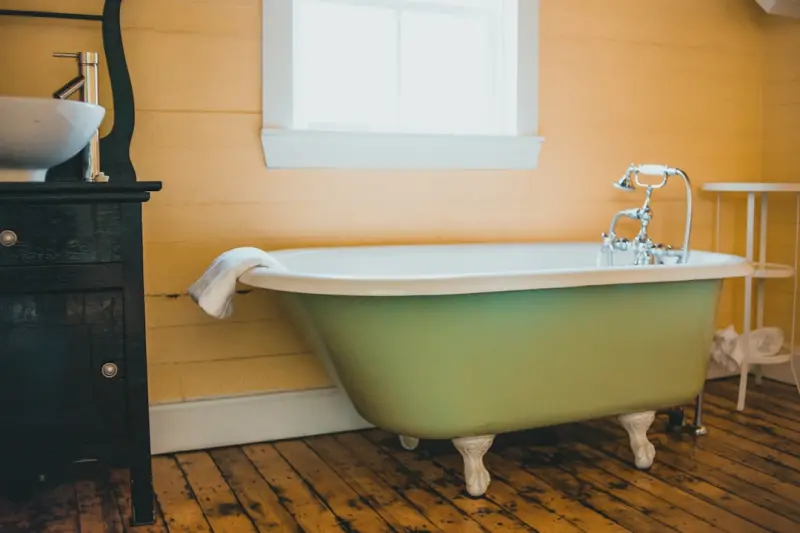
Revitalize Your Bathroom: The Hidden ROI of Professional Bathtub Refinishing
Learn why bathtub refinishing is a cost‑effective, sustainable upgrade that enhances aesthetics, i... Read More

The Hidden Environmental Cost of Cheap Bathtub Refinishing (And How to Avoid It)
A deep dive into why budget bathtub refinishing often hides hazardous VOCs and short‑term durabili... Read More

The Untapped Financial Upside of Bathtub Refinishing
Bathtub refinishing offers a low‑cost, quick‑turnaround alternative to replacement, delivering s... Read More
Top Posts

Designing Homes for Disassembly: A Circular Construction Blueprint
A deep dive into designing homes that can be taken apart piece by piece, unlocking reuse, resale, and resilience while reducing waste and boosting long‑term v...Read More
From Wrenches to Wins: A Handyman’s Blueprint for Consistent Profit
Learn how to transform everyday repairs into a thriving side hustle with a streamlined toolkit, accurate estimates, and repeatable processes that keep customers...Read More

When Pavement Talks: How Sensor‑Embedded Roads Are Changing the Way We Build Cities
Sensor‑embedded pavement turns ordinary roads into continuous data sources, enabling predictive maintenance, smarter traffic management, and greener urban env...Read More

From Reactive to Revenue: Reimagining Property Maintenance
This post shows how property managers can shift from reactive repairs to a strategic, data‑driven maintenance model that delights tenants, cuts costs, and cre...Read More
0 Comments
Post Comment
You will need to Login or Register to comment on this post!