
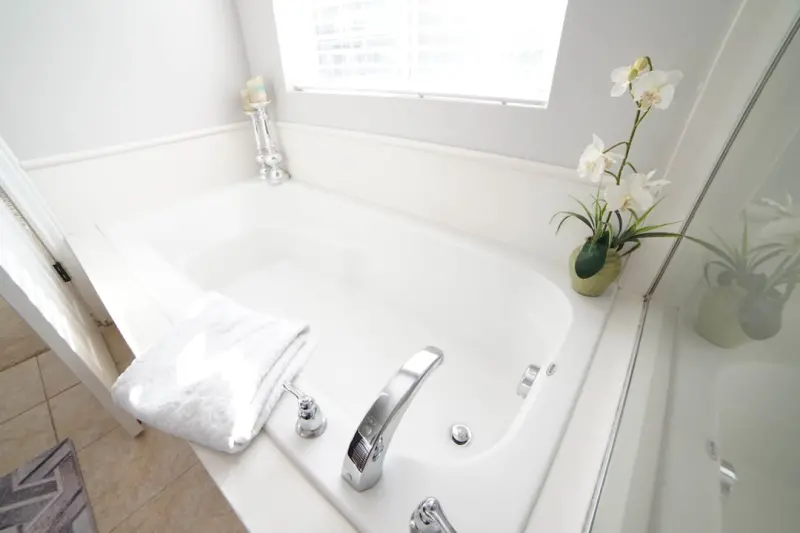
Why I Swapped a New Tub for a Refinished One
When I first stared at the chipped glaze on my vintage claw‑foot tub, my instinct was to call a contractor and order a brand‑new porcelain piece, but a lingering curiosity nudged me toward a different path. I’ve spent years coaxing life back into tired surfaces—think cracked countertops and faded crown molding—and the same principle applies to bathtubs: a skilled refinishing process can restore gloss, seal pores, and dramatically lift the visual weight of a fixture that otherwise screams “out‑of‑date.” Choosing refinishing over replacement felt like an act of stewardship, a chance to preserve the character of a piece that had survived decades of daily use while sidestepping the hefty price tag and waste of demolition. In the end, the decision became less about budget and more about honoring the stories embedded in the enamel, and the result was a tub that looked freshly glazed without losing its original charm.
The Real Cost Equation: Refinishing vs Replacement
Most homeowners picture bathtub replacement as a simple swap—new tub, new look, new price tag—yet the hidden expenses quickly stack up: demolition labor, plumbing adjustments, disposal fees, and the inevitable disruption to daily routines. In contrast, a professional refinishing job typically runs a fraction of that cost, often ranging between a few hundred to a low‑four‑figure amount, and it can be completed in a single day, minimizing both inconvenience and ancillary charges. Moreover, refinishing preserves the existing plumbing layout, sparing you the potential need for costly pipe re‑routing that can arise when a new tub’s dimensions differ even slightly from the old one. By weighing these tangible savings against the intangible value of time, I found that the financial advantage of a well‑executed refinishing project extends far beyond the initial quote, offering a practical, low‑risk solution that still delivers a fresh aesthetic.
Eco‑Friendly Benefits You Might Not Expect
Every time we replace a bathtub, we contribute to a cascade of environmental impacts: the extraction of raw materials, energy‑intensive manufacturing, and the landfill fate of the old unit. Refinishing, however, repurposes the existing shell, requiring only a thin layer of coating and a modest amount of solvents, dramatically reducing the carbon footprint associated with new product fabrication. By opting for low‑VOC, water‑based epoxy or acrylic finishes, we further limit harmful emissions, aligning the project with greener home‑renovation practices. I’ve personally tracked the waste diverted by a single tub refinishing and was surprised to see that it equates to the material savings of several hundred square feet of drywall. In this way, a simple splash of fresh finish becomes a small yet meaningful act of sustainability, proving that aesthetic upgrades can coexist with responsible stewardship of our planet.
Color Psychology and Texture: More Than Just Looks
When I selected a finish for my tub, I didn’t just think about matching tile; I considered how hue and surface feel influence mood, a lesson I first learned from Strategic Paint Choices. Soft, muted blues can evoke serenity, encouraging longer, more relaxing baths, while deep charcoal or matte black finishes create a dramatic, spa‑like ambiance that energizes the space. Textured coatings, such as a subtle satin or a high‑gloss, also affect slip resistance and tactile perception—an important safety factor that doubles as a design statement. By aligning the tub’s color palette with the overall emotional tone you wish to set in your bathroom, you transform a functional fixture into a purposeful element of well‑being, turning routine cleansing into an immersive experience that resonates with your personal aesthetic and psychological needs.
Choosing the Right Coating: Epoxy vs. Acrylic
Two primary families dominate the refinishing market: epoxy and acrylic, each with distinct advantages that can sway your decision based on usage patterns and aesthetic goals. Epoxy coatings, prized for their ultra‑hard surface and superior chemical resistance, excel in high‑traffic homes where durability and a glass‑like shine are paramount, yet they can feel slightly cooler to the touch—a subtle trade‑off for their longevity. Acrylic finishes, on the other hand, offer a lighter weight application, quicker curing times, and a warmer, more forgiving surface that often feels more like the original porcelain, making them a favorite for historic or period‑style tubs. I found that pairing an epoxy base with a thin acrylic topcoat delivered the best of both worlds: a rock‑solid foundation capped with a softer, more tactile finish that still retained the high gloss I adored. Understanding these material nuances ensures you select a coating that not only looks spectacular but also performs consistently under the daily stresses of daily bathing rituals.
Maintenance Mastery: Extending the Life of Your Refinished Tub
Even the most expertly applied finish benefits from a routine care regimen, and I discovered early on that small habits can dramatically prolong the tub’s brilliance. First, avoid abrasive cleaners; instead, opt for pH‑balanced, non‑scrubbing solutions that preserve the coating’s integrity while removing soap scum. Second, promptly address any spills of oil‑based products—such as cosmetics or hair products—by rinsing them away, as they can dull the surface over time if left to sit. Finally, incorporate a gentle, microfiber cloth for regular wiping, which not only prevents streaks but also distributes a thin film of protective moisture that combats micro‑abrasions. By treating the tub as a living canvas rather than a static fixture, you reinforce the protective barrier and keep the renewed shine looking fresh for years, making the investment in refinishing truly pay dividends in both aesthetics and durability.
Harmonizing the Refined Tub with the Rest of Your Bathroom
Refinishing a bathtub should never happen in isolation; it’s an opportunity to re‑evaluate the entire bathroom composition, ensuring that each element supports a cohesive narrative. I began by assessing the floor material, recognizing that a warm‑toned wood‑look tile could complement a matte charcoal tub, while cool‑gray porcelain flooring would amplify a high‑gloss white finish—insights I refined further after consulting Flooring Fundamentals. Lighting, too, plays a pivotal role: strategically placed sconces can accentuate the tub’s reflective surface, creating dynamic highlights that shift throughout the day. By treating the refinished tub as a centerpiece and aligning surrounding finishes, fixtures, and lighting, you craft a balanced environment where the tub’s renewed allure feels intentional, elevating the overall bathroom experience from merely functional to deliberately curated.
DIY Ambitions vs. Professional Expertise: The Hidden Pitfalls
While the allure of a DIY refinishing kit is undeniable—especially for the budget‑conscious homeowner—it’s essential to recognize the technical complexities that lie beneath the surface. Proper surface preparation, for instance, demands meticulous sanding, thorough cleaning, and precise moisture testing; any oversight can lead to bubbling, peeling, or premature wear that undo months of effort. Professionals bring calibrated spray equipment, controlled temperature environments, and seasoned knowledge of cure times, factors that dramatically influence the final outcome. In my own experiments, I found that even a single missed step—like neglecting to mask adjacent fixtures—resulted in a finish that looked uneven and required costly touch‑ups. When weighing the trade‑offs, consider not only the upfront savings but also the long‑term value of a flawless, factory‑grade finish that only seasoned technicians can reliably deliver.
Boosting Home Value and Closing the Renovation Loop
Beyond the immediate visual uplift, a refinished bathtub can serve as a strategic asset when it comes time to sell your home, offering a high‑impact, low‑cost enhancement that appeals to prospective buyers seeking move‑in readiness. Real estate data consistently shows that updated bathrooms—especially those featuring gleaming, like‑new tubs—command higher asking prices and faster sale cycles, as buyers often equate pristine fixtures with overall property maintenance. Moreover, the eco‑friendly narrative of reduced waste and sustainable renovation adds a compelling story that resonates with today’s environmentally aware market. By positioning the refinished tub as both a design triumph and a responsible upgrade, you create a win‑win scenario: an immediate boost in daily enjoyment for you, and a tangible increase in resale appeal that pays dividends down the line.

When it comes to the world of blogging and writing, Rose DesRochers is a name that stands out. Her passion for creating quality content and connecting with her audience has made her a trusted voice in the industry. Aside from her skills as a writer and blogger, Rose is also known for her compassionate nature.
Related Posts

Transform Your Bathroom: The Unexpected Power of Bathtub Refinishing
Explore why a simple bathtub refinishing can turn an outdated bathroom into a spa‑like retreat, bo... Read More
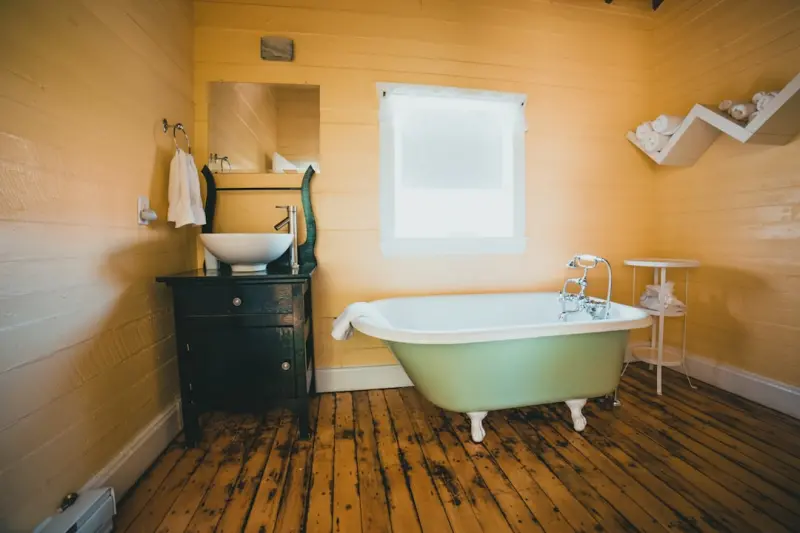
The Smart Homeowner’s Guide to Bathtub Refinishing: Cost, Quality, and Longevity
Learn why bathtub refinishing is a cost‑effective, eco‑friendly upgrade, how to choose finishes,... Read More
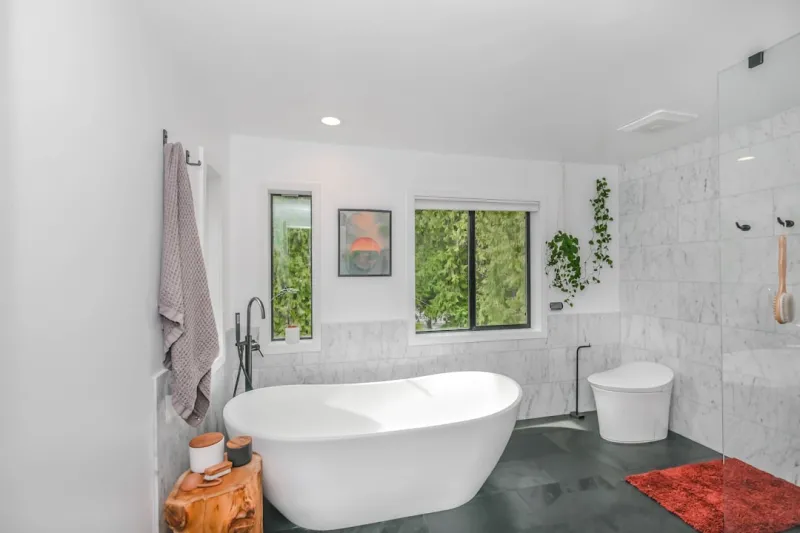
Revive Your Bathroom: The Insider’s Guide to Bathtub Refinishing
Learn why bathtub refinishing is the smart, eco‑friendly alternative to replacement, with a detail... Read More
Top Posts
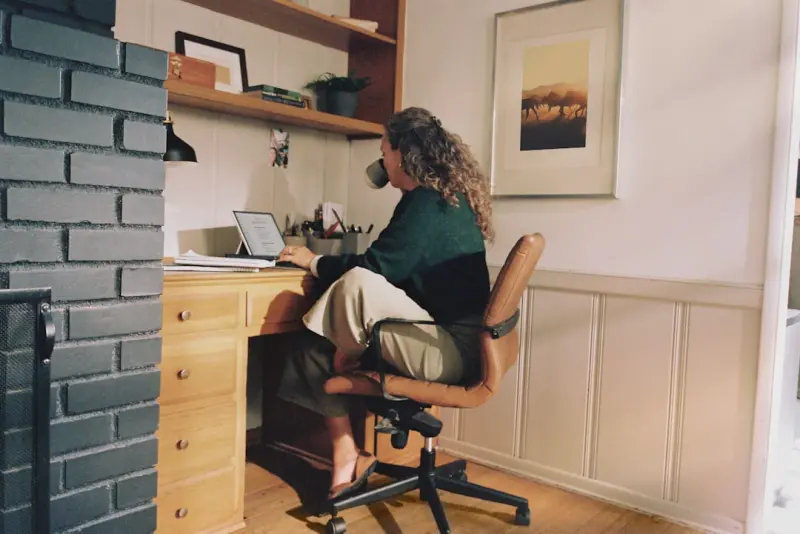
Transform Your Home Office into a Productivity Power‑Hub
A step‑by‑step guide to turning any space into a high‑performance home office, covering lighting, air quality, ergonomics, sound management, and routine m...Read More
Bathroom Renovations: Where Function Meets Fashion
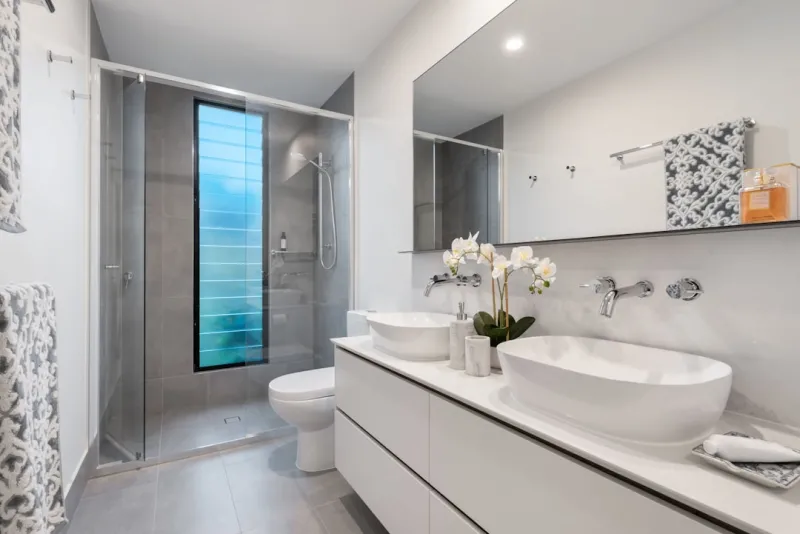
Bathroom renovations can be a complex and challenging process, but with the right approach, you can create a space that's both beautiful and functional. Learn h...Read More

Transform Your Gazebo into a Year‑Round Wellness Retreat
Turn your garden gazebo into a cozy, all‑season sanctuary. Learn design tricks, modular additions, and sustainable upgrades that make outdoor living comfortab...Read More

Embracing Sustainable Home Additions: A Comprehensive Guide
Learn how to create a more sustainable home with our comprehensive guide to eco-friendly home additions. From sustainable windows and doors to green building pr...Read More
0 Comments
Post Comment
You will need to Login or Register to comment on this post!