
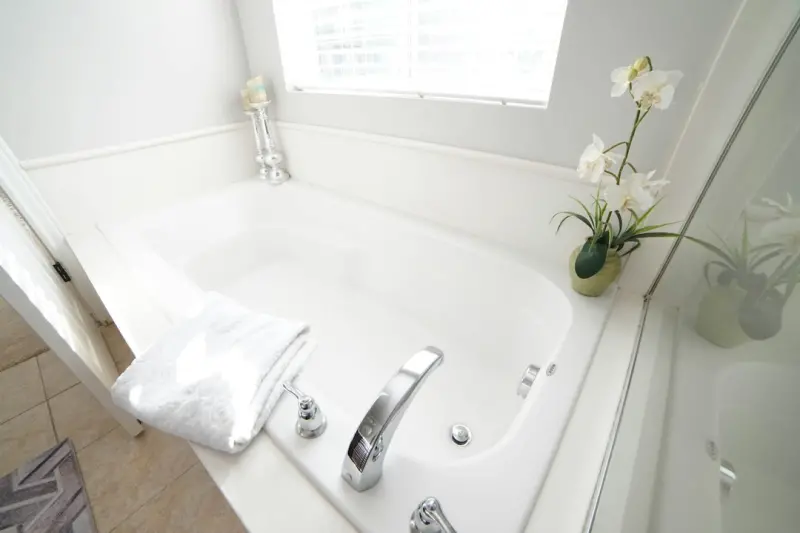
Turning the Tub into a Profit Engine: A Fresh Look at Bathtub Refinishing
When I first walked into a newly‑renovated rental complex, the gleam of the brand‑new bathtubs caught my eye before any of the modern fixtures or open‑concept layouts did. It was a subtle cue that said, “we care about the details.” That moment sparked a deeper curiosity for me: why do we, as property managers and savvy homeowners, often overlook one of the most valuable touch‑points in a bathroom—the bathtub?
In the hustle of upgrading kitchens, installing smart lighting, or swapping out outdated flooring, the bathtub can feel like an afterthought. Yet, it’s a high‑traffic, high‑impact element that directly shapes tenant satisfaction, sustainability metrics, and bottom‑line returns. This post dives into the strategic advantages of bathtub refinishing—a process that’s not just a cosmetic fix but a multi‑dimensional lever for cost savings, green branding, and long‑term asset protection.
The Economics of a Refinished Tub
Let’s start with the numbers. A brand‑new bathtub can cost anywhere from $500 to $1,200, not including labor, demolition, and disposal fees. In contrast, a professional refinishing job averages $300‑$600 per tub. That’s a potential 50%‑70% reduction in material spend.
- Immediate cash flow relief: For owners juggling multiple renovation projects, the lower upfront cost frees capital for other priority upgrades.
- Faster turnaround: Refinishing typically takes 1‑2 days per unit, compared to 3‑5 days for a full replacement. Faster vacancy turnover translates to higher rental income.
- Reduced hidden costs: Demolition generates waste, requires disposal fees, and may uncover hidden plumbing issues. Refinishing sidesteps many of these unexpected expenses.
When you tally these savings across a portfolio of 20‑30 units, the cumulative impact can be the difference between a modest profit and a significant ROI boost.
Environmental Wins: Less Waste, More Green Cred
Beyond the balance sheet, bathtub refinishing is a sustainability champion. A full tub replacement sends a hefty 30‑40 pounds of porcelain to landfill, not to mention the embodied carbon from manufacturing new units. By restoring the existing surface, you cut waste by up to 90% and shrink the carbon footprint associated with raw material extraction and transport.
Today’s renters—especially millennials and Gen Z—are increasingly eco‑conscious. Highlighting a green refurbishment approach can become a differentiator in marketing materials, lease agreements, and property tours. It’s a tangible demonstration of a landlord’s commitment to responsible stewardship.
Branding Benefits: The “Polish Factor”
Imagine walking through a model unit where every surface gleams, the tiles are immaculate, and the bathtub boasts a mirror‑like finish. That visual polish creates a perception of quality that often outweighs the actual square footage. In the competitive rental market, that subtle “wow” factor can:
- Increase perceived rent value by up to 5% according to industry surveys.
- Reduce the average vacancy period by 1‑2 weeks.
- Encourage positive online reviews, boosting organic search visibility.
It’s the same psychology behind Painting with Purpose: color and finish shape mood and perception. A well‑refinished tub, with its glossy sheen, signals meticulous care and modernity without the need for a full remodel.
Durability and Longevity: A Technical Deep‑Dive
Modern refinishing materials have evolved dramatically. High‑performance epoxy and urethane systems now provide:
- Scratch resistance comparable to brand‑new acrylic surfaces.
- Gloss retention for 10‑15 years under normal residential use.
- Enhanced chemical resistance, reducing staining from bath products.
When paired with a thorough surface prep—cleaning, etching, and priming—the finish adheres at a molecular level, creating a seamless barrier against moisture intrusion. This protects the underlying porcelain from micro‑cracks that often develop over decades of use.
Case Study: A Mid‑Size Apartment Building’s Turnaround
One of my recent consulting engagements involved a 45‑unit property that had been plagued with tenant complaints about “old, stained tubs.” The landlord faced a dilemma: replace all tubs (costing upwards of $50,000) or find an alternative. We recommended a phased refinishing strategy:
- Audit & Prioritization: Identify units with the most complaints and highest rent tiers.
- Vendor Selection: Partner with a certified refinisher using low‑VOC, high‑durability coatings.
- Implementation: Schedule refinishing during turnover periods to minimize disruption.
- Marketing Push: Update listings with “New‑Look Baths – Eco‑Friendly Refurbishment.”
The outcome? Within six months, vacancy dropped from 12% to 5%, and average rent increased by 4%. Moreover, the landlord reported a 30% reduction in maintenance calls related to bathroom issues. The environmental impact was quantified as roughly 600 pounds of waste avoided.
Common Myths Debunked
Many property owners hesitate because of misconceptions. Let’s clear them up:
- Myth: A refinished tub looks cheap.Reality: With professional application, the finish can rival brand‑new acrylic, offering a high‑gloss, mirror‑like surface.
- Myth: It’s a DIY job.Reality: While hobby kits exist, they often lack the surface preparation and curing processes needed for longevity. A licensed contractor ensures warranty coverage and compliance with local building codes.
- Myth: It won’t hold up to heavy use.Reality: Modern epoxy systems are engineered for commercial‑grade traffic, making them ideal for multi‑unit dwellings.
Integrating Refinishing Into a Broader Maintenance Playbook
Think of bathtub refinishing not as a standalone project but as a component of a systematic property maintenance strategy. The Handyman’s Playbook teaches us the power of recurring revenue through scheduled services. By bundling refinishing with regular inspections, you can:
- Identify early signs of wear before they become costly repairs.
- Offer tenants a “refresh package” during lease renewals, improving retention.
- Maintain a consistent aesthetic across units, strengthening brand identity.
Step‑By‑Step Guide for Property Managers
Ready to add bathtub refinishing to your renovation toolkit? Follow this actionable roadmap:
- Assess the Asset: Conduct visual inspections for chips, stains, and surface wear. Document with photos.
- Calculate ROI: Compare costs of replacement vs. refinishing, factoring in vacancy time, disposal fees, and projected lifespan.
- Source Certified Contractors: Verify credentials, request past project photos, and confirm warranty terms.
- Schedule Strategically: Align refinishing with tenant move‑out dates to avoid double‑booking and minimize disruption.
- Prepare the Unit: Ensure the bathroom is cleared of personal items, and protect fixtures not being refinished.
- Execute and Inspect: After the finish cures (typically 24‑48 hours), perform a quality check for even gloss and adhesion.
- Document & Market: Update property listings, add “refinished tubs” as a feature, and share before‑after photos on social channels.
Future Trends: Smart Finishes and Integrated Technology
While we’re focusing on the tangible benefits today, the horizon holds exciting innovations. Researchers are experimenting with nanocoatings that can self‑clean and repel bacteria, potentially reducing cleaning labor. Imagine a bathtub that subtly changes its hue to signal water temperature—an aesthetic upgrade that could integrate with smart home ecosystems.
These emerging technologies reinforce the idea that a refinished tub is not a static end point but a platform for future enhancements. By establishing a solid, high‑quality finish now, you position your property to adopt these upgrades seamlessly when they become market‑ready.
Final Thoughts: The Strategic Edge of a Polished Tub
In the grand tapestry of property management, every detail contributes to the overall narrative you present to tenants, investors, and the community. Bathtub refinishing offers a trifecta of advantages—cost efficiency, sustainability, and brand elevation—that are too compelling to ignore. By treating the tub as a strategic asset rather than a mere utility, you unlock hidden value, differentiate your portfolio, and lay the groundwork for future tech integration.
Next time you walk past a bathroom in a property you manage, take a moment to consider the state of its bathtub. If it’s looking tired or dated, you’ve just identified an untapped profit lever waiting to be polished.

Kelly Reynolds is a dynamic freelance writer hailing from the picturesque landscapes of Alberta. A master of the written word, she juggles her passion for storytelling with the exhilarating chaos of being a mother to five spirited children. With an impressive portfolio that spans various genres, Kelly captivates readers through her engaging blog posts and thought-provoking articles.
Related Posts
Why a Fresh Bathtub Finish Is the Secret Weapon for Modern Homeowners
A fresh bathtub finish offers a cost‑effective, eco‑friendly upgrade that elevates bathroom aest... Read More
The Hidden Benefits of Bathtub Refinishing: A Homeowner’s Deep Dive
Bathtub refinishing isn’t just a quick fix—it’s a design upgrade, a green choice, and a resale... Read More
Why Bathtub Refinishing Is the Unsung Hero of Green Home Renovations
Refinishing an old bathtub is a low‑cost, low‑impact upgrade that reduces waste, improves safety... Read More
Top Posts

Radiant Floor Heating: The Next Competitive Edge for Modern Workspaces
Radiant floor heating delivers consistent, draft‑free warmth that enhances employee focus, improves indoor air quality, and reduces energy use, giving forward...Read More

Data-Driven Snow Removal: How to Plan, Prioritize, and Save Time
Discover a data‑focused approach to snow removal that helps you schedule trips, allocate resources, and stay ahead of storms—saving time, money, and stress....Read More

Seeing the Unseen: How Thermal Imaging Elevates Modern Home Inspections
Thermal imaging turns invisible heat patterns into actionable insights, revealing hidden moisture, energy loss, and electrical hazards. Learn how this technolog...Read More

From Reactive Repairs to Proactive Peace: Crafting a Property Maintenance Playbook
Discover a step‑by‑step approach to building a property maintenance playbook that shifts focus from emergency fixes to strategic, data‑driven upkeep, impr...Read More
0 Comments
Post Comment
You will need to Login or Register to comment on this post!