
Why a Handyman Mindset Beats Waiting for the Pros
Living in a home that constantly feels “just a little off” teaches you that waiting for a professional can cost far more than a few minutes of personal effort, especially when you’ve seen the same leaky faucet or squeaky door linger for months. Taking ownership of minor repairs not only preserves your property’s value, but it also builds confidence that every snag has a solution you can apply with the right know‑how and a bit of grit. Over the years I’ve learned that the biggest savings come from recognizing patterns early, documenting what works, and then applying those lessons to new challenges before they snowball into expensive emergencies.
Designing a Budget‑Friendly Home Workshop
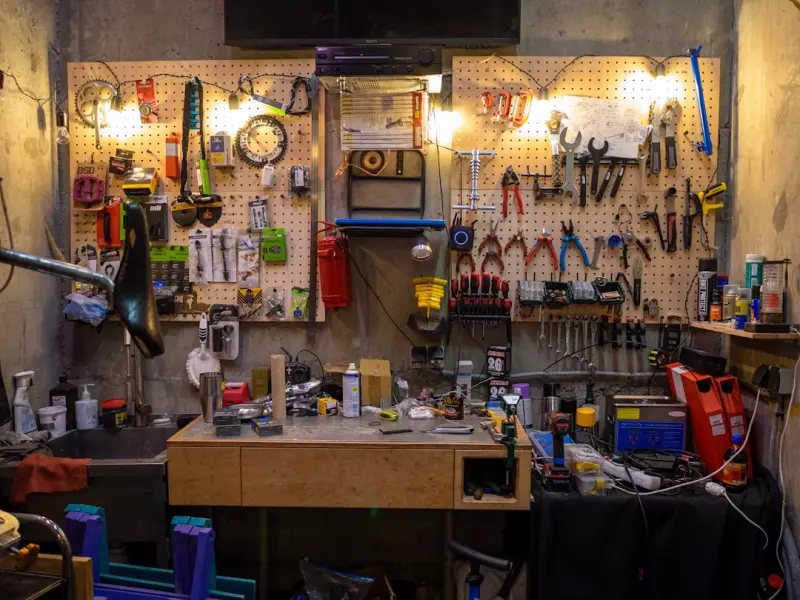
Before you buy a single tool, carve out a dedicated corner of the garage or a spare closet and outfit it with sturdy shelving, a pegboard, and a workbench that can double as a folding table for larger projects; these basics turn chaos into a streamlined workspace without breaking the bank. A simple, reclaimed wood bench can be built from pallet lumber for under $30, while a magnetic strip for metal tools adds organization and keeps the most‑used items within arm’s reach. By treating the workshop as an extension of your living space, you’ll find yourself reaching for a screwdriver before you even think of calling a contractor.
The Core Tools Every Handyman Swears By
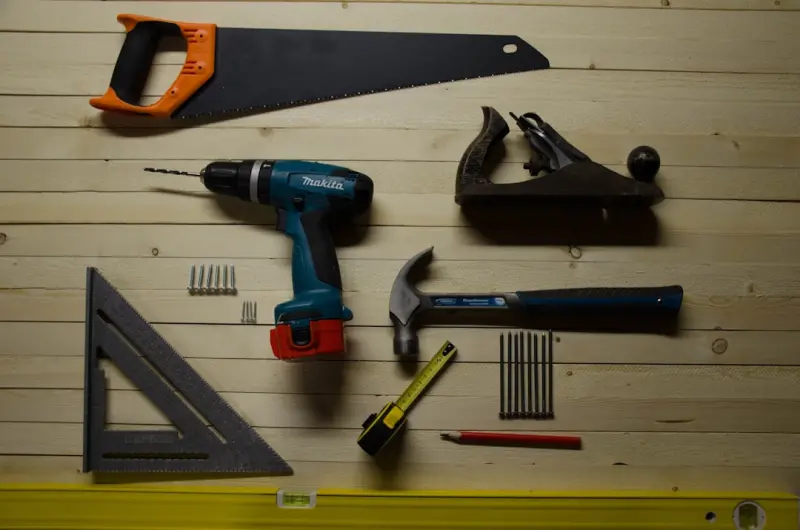
While the market is flooded with specialty gadgets, a solid foundation of a few versatile tools will cover 90% of household fixes, and the key is choosing quality over quantity. A well‑balanced claw hammer, a set of interchangeable screwdriver bits, a reliable cordless drill, a durable tape measure, and a versatile adjustable wrench form the backbone of any repair kit; these items should be ergonomically designed to reduce fatigue during extended use. Pair these basics with a sturdy utility knife and a flashlight with adjustable focus, and you’ll be equipped to tackle everything from hanging shelves to tightening loose bolts without a second thought.
Electrical Basics: Safe Fixes That Save Money
Understanding your home’s electrical layout is less about becoming an electrician and more about knowing where the breaker panels, GFCI outlets, and switch boxes reside, allowing you to isolate problems quickly and avoid dangerous overloads. Investing in a quality digital multimeter enables you to verify voltage, continuity, and resistance, turning vague “flickering lights” into concrete data that points to a loose connection or a failing switch. Always remember the golden rule: turn off power at the breaker before any hands‑on work, and never attempt to replace wiring beyond a simple fixture replacement unless you’re licensed.
Quick Plumbing Wins and When to Call the Pros
Minor plumbing hiccups—such as a dripping faucet, a running toilet, or a slow‑draining sink—can often be resolved with a few inexpensive parts and a bit of patience, saving you from a cascade of water damage and inflated service bills. For a leaky faucet, replace the worn‑out O‑ring or cartridge; for a toilet that won’t stop running, a simple flapper swap restores proper function in minutes. When you encounter corroded pipes or recurring low‑pressure issues, it’s time to consider a larger overhaul, and reading Future‑Proof Your Home’s Plumbing: Smart, Sustainable, and Leak‑Free will guide you through sustainable upgrades that pay off long term.
Seasonal Maintenance: The Handyman’s Checklist
Just as a car needs regular service, your home thrives on a predictable maintenance rhythm that catches wear before it becomes costly, and a seasonal checklist is the most efficient way to stay on top of it. In spring, inspect roof flashing, clean gutters, and test exterior lighting; in summer, check for cracked caulk around windows and ensure the HVAC condenser is clear of debris; fall is ideal for sealing drafty doors and inspecting the furnace, while winter calls for checking pipe insulation and testing smoke detectors. For a deeper dive into turning routine upkeep into a lifestyle upgrade, see The Hidden Power of Routine Property Maintenance: A Lifestyle Upgrade, which offers actionable steps to embed these tasks into your weekly flow.
Tool Organization Hacks That Keep You Productive
Even the best tools lose their value when they’re buried under a mountain of clutter, so adopting a few simple organization strategies can dramatically increase your efficiency and reduce the time spent searching for the right wrench. Use clear, labeled bins for fasteners, assign color‑coded hooks on a pegboard for pliers, screwdrivers, and hammers, and install a magnetic strip for metal bits that tend to roll away; this visual system turns your workshop into a command center where every item has a home. Adding a rolling toolbox on wheels lets you transport your most‑used tools from room to room, eliminating the need to backtrack and keeping the momentum of each project intact.
Small Upgrades, Big Returns: Where to Invest Your Handyman Hours
While major renovations dominate headlines, the most cost‑effective improvements often come from modest, high‑impact tweaks that a handyman can accomplish in an afternoon, instantly boosting both comfort and resale value. Swapping out dated cabinet hardware for modern pulls, installing LED strip lighting under countertops, or adding a smart thermostat are all projects that cost under $100 in parts but deliver a fresh aesthetic and energy savings that pay for themselves quickly. When you combine these upgrades with a fresh coat of paint on a feature wall, you create a sense of renewal that feels like a whole‑home makeover without the hefty price tag.
Putting It All Together: Your First Handyman Project
Now that you’ve built a functional workshop, stocked it with essential tools, and mapped out a seasonal maintenance plan, it’s time to choose a starter project that aligns with your skill level and delivers visible results; a good entry point is fixing a wobbly door hinge, replacing a cracked tile, or installing a new set of bathroom vanity lights. Document each step with photos and notes, so you can refine your technique and share the process with fellow DIY enthusiasts who appreciate a clear, hands‑on guide. As you accumulate successes, you’ll find the confidence to tackle larger challenges, turning the handyman mindset into a lifelong habit of proactive home stewardship.

Paul Gray is a dynamic blogger based in Brampton, where he shares his life with his amazing wife, Sarah. Known for his engaging writing style and relatable insights, Paul has carved out a niche in the blogging world that resonates with readers from all walks of life. When he's not crafting captivating posts, you can find him savoring a cold beer or indulging in the latest blockbuster movie. With a friendly demeanor and a passion for storytelling, Paul brings a unique perspective to his work, making him not just a blogger, but a voice for those who appreciate the simple joys of life.
Related Posts

The Handyman’s Playbook for Preventive Maintenance that Saves Money
A seasoned handyman reveals a 12‑month calendar of small, high‑impact tasks that prevent costly ... Read More
Building a Mobile Modular Workshop: Scaling Your Handyman Business on the Go
A handyman shares a step‑by‑step guide to building a mobile modular workshop that maximizes tool... Read More
The Handyman’s Playbook: Mastering Adaptive Home Repairs
A seasoned handyman shares a comprehensive playbook for evolving from reactive fixes to strategic ho... Read More
Top Posts

Charging Forward: Building a Garage That Powers Your Electric Vehicle and Home
Discover how to turn a traditional garage into an electric‑mobility hub with smart charging, solar power, and adaptable design for lasting value....Read More

The Color Code: How Modern Paint Choices Can Boost Your Home’s Energy Efficiency and Well‑Being
Explore the science behind paint colors, low‑VOC technologies, and AI‑driven color selection to turn your walls into a low‑cost, high‑impact upgrade tha...Read More

Beyond the Basement: Mastering Waterproofing for Long‑Term Home Health
A seasoned renovator shares a step‑by‑step, future‑focused guide to waterproofing basements using breathable membranes, interior drains, and eco‑friendl...Read More

Reimagining the General Contractor’s Playbook: Collaboration, Tech, and Risk Mastery
General contractors are moving beyond traditional blueprints, leveraging integrated project delivery, AI‑driven planning, and proactive risk strategies to del...Read More
0 Comments
Post Comment
You will need to Login or Register to comment on this post!