
Introduction
When I first set out to turn my modest house into a model of efficiency, I quickly learned that the magic lies in the small, intentional tweaks that add up to massive savings—both in energy bills and in the planet’s health. My journey began with a deep dive into the principles of sustainable design, and I documented every step in my sustainable smart sanctuary journey, a guide that still fuels my daily decisions. Today, I’m sharing the most practical, trend‑driven home tips that have transformed my living space into a greener, smarter haven without requiring a full‑blown remodel.
Smart Storage & Declutter
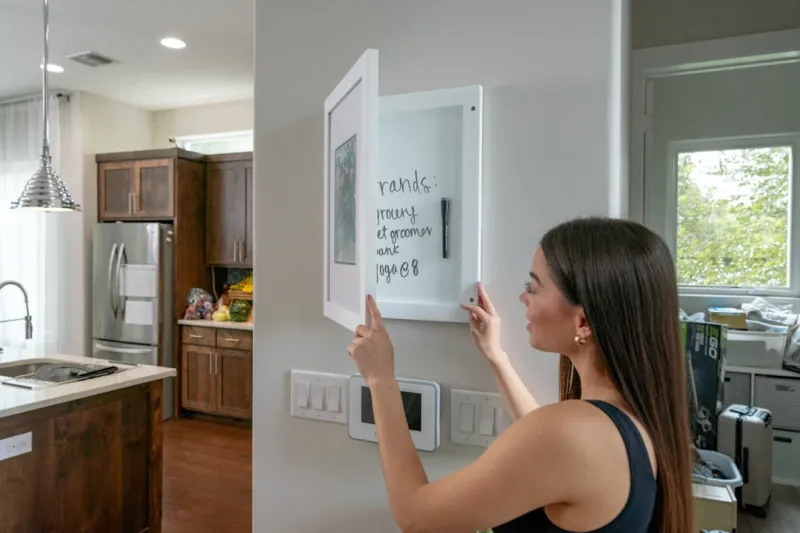
One of the first habits I adopted was to treat every square foot like a premium resource, which meant rethinking how I store everyday items and eliminating clutter that silently saps energy. By installing modular, stackable containers and integrating built‑in shelving that doubles as decorative elements, I created a visual calm that also reduces the need for excessive lighting in busy rooms. The result? A cleaner aesthetic that naturally encourages the use of natural light and less reliance on artificial illumination, making the home feel both larger and more welcoming.
Lighting & Window Innovations
Lighting is the heartbeat of any home, and upgrading to smart, dimmable LED systems has given me control over ambiance while slashing power consumption by up to 80 percent. Pairing these lights with smart window treatments that automatically adjust tint based on sunlight intensity creates a dynamic environment that responds to the day’s rhythm, reducing heat gain in summer and preserving warmth in winter. The synergy of these technologies not only cuts utility costs but also boosts the overall comfort level, turning ordinary rooms into adaptable, energy‑smart spaces.
Seal the Envelope: Insulation & Weatherproofing
Before I could reap the benefits of high‑tech lighting and climate control, I had to address the invisible energy drain caused by poor insulation, a step many homeowners overlook. By upgrading to high‑R‑value insulation in the attic and walls—guided by insights from the hidden power of insulation guide—I sealed the building envelope, resulting in a noticeable, consistent indoor temperature year‑round. Complementing this, a systematic approach to weatherproofing, such as sealing gaps around doors and windows, ensures that the conditioned air stays exactly where I want it, further amplifying the efficiency gains from my upgraded insulation.
Outdoor Living & Sustainable Decks
Extending the green, smart mindset to the backyard has been a game‑changer, especially after I tackled the smart sustainable deck transformation that turned a tired patio into an inviting, low‑maintenance oasis. By selecting reclaimed wood composites and integrating solar‑powered LED strip lighting beneath the railings, the deck now serves as a nighttime retreat that draws minimal power from the grid. Adding weather‑resistant, permeable pavers not only improves drainage but also reduces heat island effects, creating a comfortable outdoor space that feels like a natural extension of the home’s interior sustainability strategy.
The Concrete Advantage
Concrete often gets a bad rap, yet I’ve discovered it to be a silent hero in the quest for a durable, thermally stable home, especially when mixed with recycled aggregates and low‑carbon cement alternatives. Its high thermal mass absorbs heat during sunny days and releases it slowly when temperatures dip, effectively flattening indoor temperature swings without additional HVAC effort. By opting for concrete flooring in high‑traffic zones and pairing it with radiant floor heating, I achieved a harmonious blend of comfort and eco‑efficiency that many homeowners overlook.
Choosing Sustainable Countertops
When renovating my kitchen, I faced the classic dilemma of style versus sustainability, but the solution emerged in the form of engineered stone countertops that combine recycled glass shards with a minimal amount of cement. These surfaces not only boast a sleek, modern look but also resist stains and heat far better than traditional laminate, reducing the need for frequent replacements. By selecting a low‑VOC sealant, I ensured that the countertop contributes to indoor air quality, making it a truly green centerpiece for daily cooking adventures.
Renovation Checklist for Smart Upgrades
Embarking on any home improvement project can feel overwhelming, which is why I rely on a comprehensive renovation checklist that prioritizes smart, sustainable upgrades before tackling cosmetic changes. The list includes steps such as auditing existing wiring for smart thermostat compatibility, evaluating window performance for potential upgrades, and mapping out where additional insulation will have the greatest impact. By following this systematic approach, I’ve avoided costly retrofits and ensured that each improvement dovetails with the next, creating a cohesive, future‑proofed living environment.
Final Thoughts & Next Steps
All these tweaks—smart storage, efficient lighting, superior insulation, weatherproofing, sustainable outdoor spaces, concrete flooring, eco‑friendly countertops, and a strategic renovation plan—form a holistic blueprint for any homeowner eager to reduce their carbon footprint while enjoying modern comforts. The beauty of this approach is that each step stands on its own, yet when combined, they amplify each other’s benefits, turning a typical house into a high‑performing, sustainable sanctuary. I encourage you to start with one change today, track the impact, and gradually build a smarter, greener home that reflects both your values and your lifestyle.

Tom Ferguson is a Canadian freelance writer with a passion for storytelling, current events, and thoughtful commentary. Drawing on years of writing experience, he shares engaging insights on a wide range of topics, bringing a uniquely Canadian perspective to his work.
Related Posts

The Future is Now: Smart Home Technology for a Smarter, Simpler Life
Explore the revolution of smart home technology with Lifan Chen. Learn how intelligent devices and s... Read More

Everyday Home Wellness: Simple Tips for a Healthier Living Space
Transform your home into a sanctuary of health and calm with simple, everyday actions—air‑freshe... Read More

Transform Your Home Into a Productivity Powerhouse with Simple, Low‑Cost Tweaks
Learn how to turn everyday spaces into productivity‑boosting zones with affordable layout tweaks, ... Read More
Top Posts

Beyond Shade: How Modern Awnings Redefine Outdoor Living
Awnings have evolved from simple shade solutions to versatile extensions of indoor comfort, offering health benefits, privacy, and energy savings while enhancin...Read More

Why Your Business Should Treat Carpet Care Like a Competitive Advantage
Treat carpet cleaning as a strategic, data‑driven service to improve indoor air quality, employee wellbeing, and financial performance, turning an ordinary ex...Read More

Waterproofing the Future: IoT, Data, and Sustainable Practices
A deep dive into how real‑time moisture monitoring, predictive analytics, and sustainable waterproofing materials are reshaping building durability and occupa...Read More

Beyond the Basement: Mastering Waterproofing for Long‑Term Home Health
A seasoned renovator shares a step‑by‑step, future‑focused guide to waterproofing basements using breathable membranes, interior drains, and eco‑friendl...Read More
0 Comments
Post Comment
You will need to Login or Register to comment on this post!