

From Spot Checks to Smart Scans: How AI and Drones Are Redefining Energy Inspection
When I first walked onto a warehouse floor with a clipboard and a flashlight, I felt like a detective searching for clues that were often invisible to the naked eye. Fast‑forward to today, and the same job is now a high‑tech ballet of drones humming overhead, AI algorithms sifting through terabytes of data, and edge sensors whispering real‑time energy metrics into a central dashboard. The shift isn’t just about novelty—it’s a fundamental change in how we protect the bottom line, meet sustainability goals, and future‑proof our facilities.
Why the Old “Walk‑Around” Method Is No Longer Enough
Traditional energy inspections rely on scheduled walk‑arounds, manual meter readings, and gut‑feel assessments. While that approach has served the industry for decades, it suffers from three critical blind spots:
- Temporal Gaps: A monthly snapshot misses the peaks and troughs that happen hour‑by‑hour, leaving hidden waste undetected.
- Spatial Limitations: Hard‑to‑reach equipment—think rooftop chillers or underground transformers—often escape scrutiny or require risky manual access.
- Human Error: Even the most diligent inspector can misread a dial, forget a data point, or overlook a subtle vibration that signals impending failure.
These gaps translate directly into higher utility bills, premature equipment wear, and missed ESG reporting opportunities. The answer? A layered, data‑driven inspection regime that blends AI, IoT, and aerial imaging.
The Three Pillars of the Next‑Gen Energy Inspection Stack
To move beyond guesswork, I’ve built a framework around three interlocking pillars: continuous sensing, intelligent analysis, and actionable visualization. Each pillar brings a distinct capability, and together they form a resilient inspection ecosystem.
1. Continuous Sensing – The Internet of Energy (IoE)
Imagine a network of tiny, battery‑free sensors attached to every HVAC coil, motor bearing, and lighting fixture. These devices harvest ambient energy, log voltage, current, temperature, and vibration, and transmit encrypted packets to a local edge gateway. The result is a live pulse of every kilowatt flowing through your plant.
Key benefits include:
- Granular Resolution: Data points captured every few seconds reveal inefficiencies that would be invisible in monthly reports.
- Predictive Alerts: Machine‑learning models trained on historical sensor data can flag abnormal patterns before a component trips.
- Reduced Labor: With sensors doing the heavy lifting, inspectors spend less time measuring and more time interpreting.
2. Intelligent Analysis – AI That Learns Your Facility
Raw data is only as useful as the insights it generates. This is where AI steps in. By feeding continuous sensor streams into a cloud‑based analytics engine, the system builds a dynamic model of “normal” energy behavior for each asset. When an anomaly appears—say a motor drawing 15% more power than its baseline—the AI assigns a confidence score and suggests a remediation path.
What makes this AI truly valuable is its ability to contextualize:
- Seasonal Shifts: It knows that a 5% rise in HVAC load during summer is expected, but a sudden 20% spike in the middle of winter is not.
- Cross‑Asset Correlation: It can link a spike in lighting consumption to a malfunctioning occupancy sensor, saving you from chasing a phantom fault.
- Regulatory Alignment: By tagging anomalies with relevant ESG metrics, the system simplifies compliance reporting.
3. Actionable Visualization – From Data to Decision
All the numbers in the world won’t help if they sit in a spreadsheet nobody reads. The final pillar is a unified, interactive dashboard that translates AI findings into visual cues—heat maps, trend lines, and drill‑down reports. Stakeholders can filter by location, asset class, or energy intensity, and instantly see where the biggest savings lie.
For facilities managers, this means turning a weekly spreadsheet into a single‑page “energy health scorecard.” For executives, it translates into clear ROI narratives for capital projects and ESG initiatives.
Deploying Drones: The Eye in the Sky That Never Sleeps
While ground‑level sensors paint a detailed picture of equipment performance, drones bring a macro view that’s impossible to achieve otherwise. Equipped with thermal cameras, LiDAR scanners, and high‑resolution RGB lenses, modern inspection drones can:
- Identify hot spots on solar panels, transformers, or compressed‑air systems in seconds.
- Map insulation defects on roofs and walls without a scaffolding crew.
- Generate 3‑D models of complex plant layouts for clash detection and future planning.
One of my recent projects combined drone thermal sweeps with sensor data to pinpoint a refrigerant leak that was costing the client $12,000 a month in wasted cooling. The drone flagged the anomaly from 200 feet up, while the AI‑driven sensor platform confirmed the leak’s exact location, enabling a targeted repair that saved both time and money.
Integrating Energy Inspection With Digital Twins
For those already familiar with Digital Twins on the Jobsite, the next logical step is to feed real‑time energy data into those twins. A digital twin isn’t just a visual replica—it’s a living simulation that reacts to sensor inputs. When a piece of equipment deviates from its energy baseline, the twin updates its state, runs a what‑if scenario, and suggests optimal corrective actions.
Benefits include:
- Scenario Planning: Test the impact of retrofits before committing capital.
- Lifecycle Management: Forecast when a motor will reach end‑of‑life based on usage patterns.
- Stakeholder Alignment: Engineers, finance, and sustainability teams can all view the same data in a shared, immersive environment.
From Energy Inspection to ESG Reporting: Closing the Loop
Energy efficiency is no longer a cost‑center; it’s a strategic ESG lever. By capturing granular energy data, you can automatically populate sustainability dashboards, calculate Scope 2 emissions, and demonstrate progress to investors. The AI layer can even suggest carbon‑offset opportunities that align with your organization’s net‑zero roadmap.
In practice, I’ve helped a midsize manufacturing firm turn its monthly energy audit into a quarterly ESG report that impressed both board members and auditors. The secret? A unified data pipeline that linked sensor logs, drone imagery, and financial systems into a single reporting engine.
Getting Started: A Pragmatic Roadmap
If the idea of AI‑driven, drone‑enhanced energy inspection feels overwhelming, break it down into three manageable phases:
- Pilot the Sensors: Start with high‑impact assets—compressor rooms, chillers, and lighting zones. Deploy a handful of IoT nodes and establish a baseline.
- Add the Drone Layer: Schedule quarterly drone flights to capture thermal snapshots of roof‑top equipment and building envelopes. Use the imagery to validate sensor alerts.
- Integrate with a Digital Twin: If you already have a BIM model, layer sensor streams and drone data onto it. Begin running predictive simulations for the top‑ranked inefficiencies.
Throughout each phase, keep the focus on actionable insight. Data without a clear remediation path is just noise.
Future Glimpses: Edge Computing and Federated Learning
Looking ahead, the next wave of energy inspection will push intelligence to the edge. Instead of sending raw data to the cloud for analysis, edge devices will run lightweight AI models locally, delivering instant alerts even in bandwidth‑constrained sites. Moreover, federated learning will enable multiple facilities to collectively improve their AI models without sharing proprietary data—think of it as a “learning consortium” for energy efficiency.
These advances will make energy inspection truly real‑time, autonomous, and privacy‑first.
Putting It All Together: The Business Case
Here’s a quick snapshot of the ROI drivers you can expect when you modernize your energy inspection program:
| Benefit | Typical Impact |
|---|---|
| Reduced Utility Costs | 5‑15% annual savings |
| Extended Asset Life | 2‑4 years additional lifespan |
| Maintenance Labor Reduction | 30‑50% fewer man‑hours |
| ESG Score Improvement | Higher ratings in sustainability indices |
| Capital Allocation Transparency | Clear ROI for retrofits and upgrades |
When you combine those numbers with the strategic advantage of data‑driven decision making, the case becomes undeniable.
Final Thoughts: Embrace the Smart Inspection Mindset
Energy inspection is at a crossroads. You can cling to the comfort of clipboards and periodic walkthroughs, or you can step into a world where AI, drones, and digital twins work together to surface hidden waste and drive tangible savings. The transition requires investment—both in technology and in a culture that values data—but the payoff is a facility that runs cleaner, cheaper, and greener.
As I always say, the future of energy inspection isn’t about seeing more; it’s about seeing smarter. Equip your team with the right tools, trust the algorithms, and watch your energy performance soar.
Want to see how a Solar Energy as a Strategic Business Asset can complement your inspection strategy? Integrating on‑site generation data with inspection analytics creates a holistic view of both supply and demand, unlocking even deeper optimization opportunities.

Kelly Reynolds is a dynamic freelance writer hailing from the picturesque landscapes of Alberta. A master of the written word, she juggles her passion for storytelling with the exhilarating chaos of being a mother to five spirited children. With an impressive portfolio that spans various genres, Kelly captivates readers through her engaging blog posts and thought-provoking articles.
Related Posts
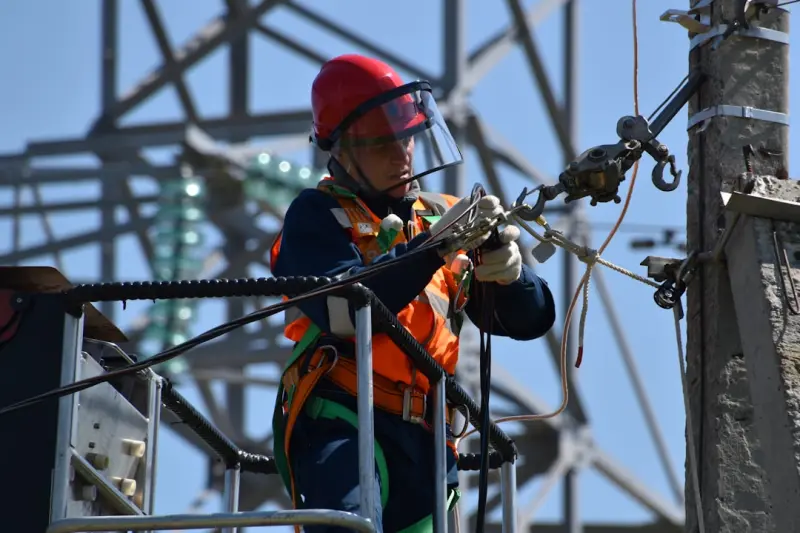
Energy Inspection as a Service: Turning Audits into Ongoing Partnerships
Energy Inspection as a Service (EIaaS) redefines traditional audits by delivering continuous monitor... Read More
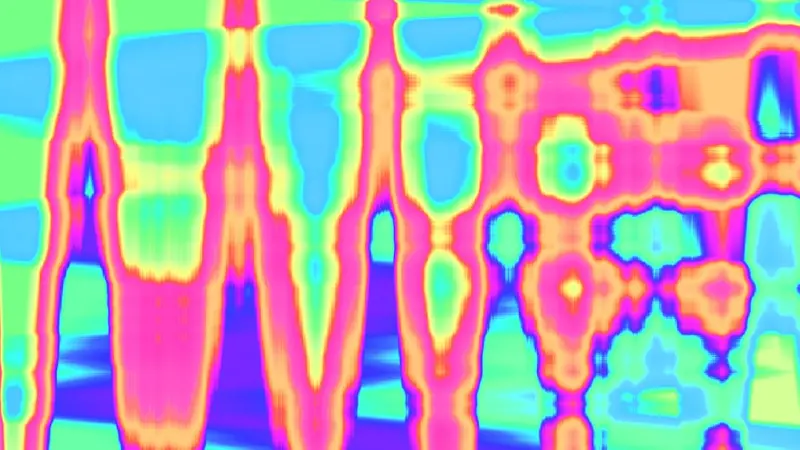
Thermal Imaging & Data Analytics: A Fresh Take on Energy Inspection
Explore the power of infrared cameras and data analytics to uncover hidden energy loss, integrate oc... Read More

Energy Inspection as a Competitive Advantage: Turning Data into Dollars
Energy inspection is evolving from a compliance task into a powerful, data‑driven strategy that re... Read More
Top Posts

Reviving Exposed Brick: A Hands‑On Guide to Restoring Your Home’s Original Charm
Discover a step‑by‑step guide to restoring exposed brick walls, blending historic charm with modern comfort and sustainability....Read More
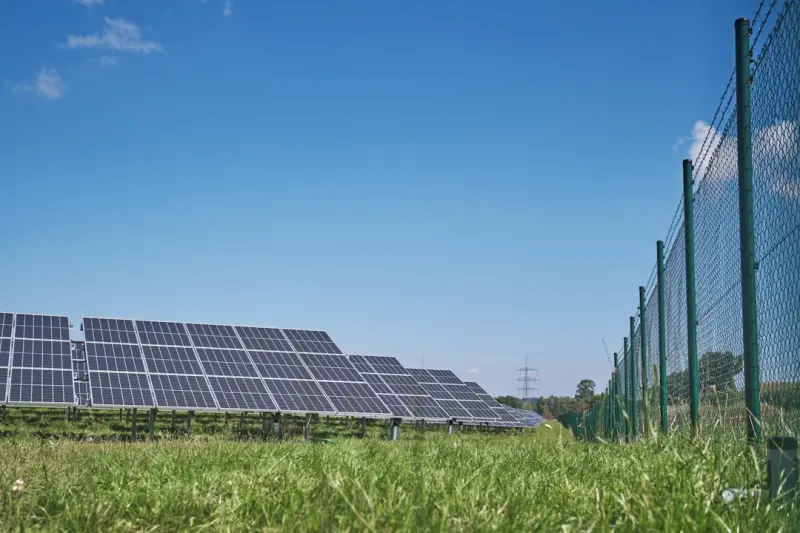
The Rise of Intelligent Fencing: Security, Sustainability, and Data Fusion
Intelligent fencing turns traditional barriers into dynamic, data‑rich assets—enhancing security, generating renewable energy, and supporting ESG goals acro...Read More
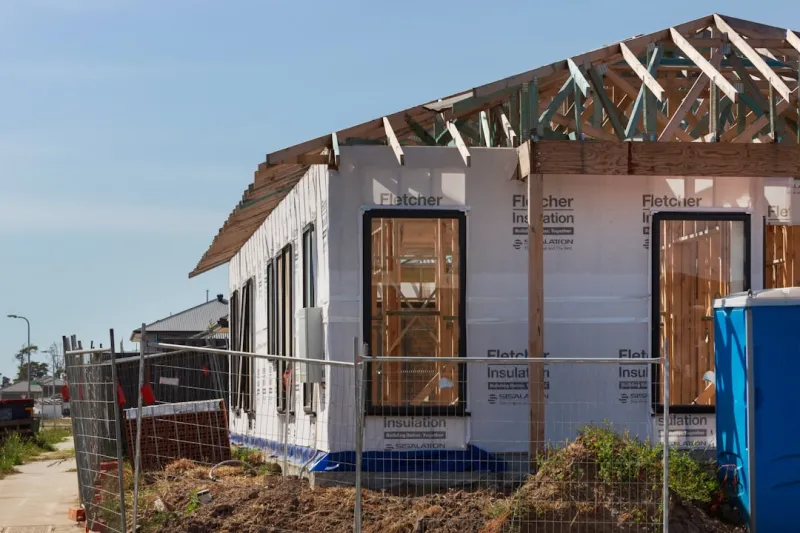
The Evolution of Sustainable Home Construction: A Comprehensive Guide
The construction industry has undergone a significant transformation in recent years, driven by growing concerns about environmental sustainability, energy effi...Read More

Cool Streets Ahead: How Reflective, Permeable Paving Can Transform Urban Heat
Explore the rise of light‑colored, permeable paving as a climate‑smart solution that cools streets, manages stormwater, and offers lasting durability for mo...Read More
0 Comments
Post Comment
You will need to Login or Register to comment on this post!