
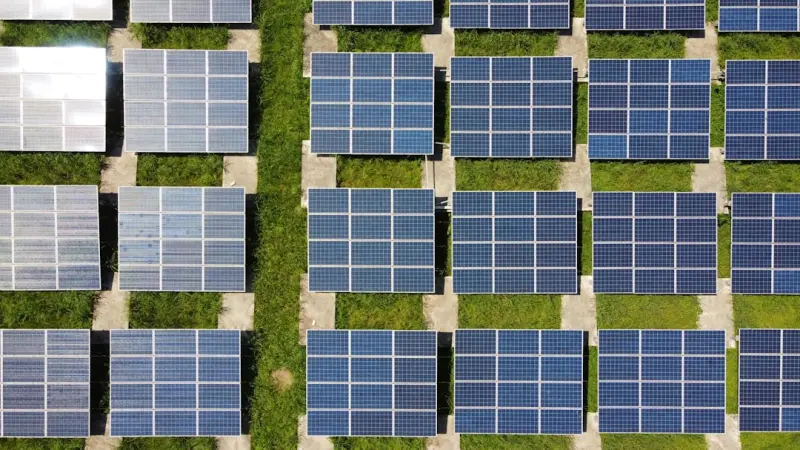
Why Solar Matters to Everyday People
When I first stood on a sun‑kissed roof in the highlands of Scotland, I felt the quiet power of daylight turning into electricity—an experience that still fuels my passion for solar energy. Solar isn’t just a tech for the eco‑elite; it’s a practical tool that can shrink utility bills, boost property values, and give households a sense of energy independence that feels almost rebellious in a world of utility monopolies. The technology has matured to the point where panels are slimmer, more efficient, and aesthetically adaptable, making them suitable for everything from historic cottages to sleek urban apartments, and the cost curve continues to fall faster than most people expect.
What truly excites me is the cultural shift: solar is moving from a niche hobby into a mainstream conversation at kitchen tables and neighborhood meetings. The narrative is changing from “saving the planet” to “saving my wallet” and “protecting my family from outages.” As a writer who’s watched the built environment evolve, I see solar as the connective tissue that can link sustainability, smart home integration, and real‑world resilience into a single, approachable story.
Community Solar: Power for Those Without Roof Space
Not everyone owns a roof that can host panels, especially renters, condo dwellers, and owners of heritage properties with strict preservation rules. Community solar projects solve that dilemma by allowing individuals to subscribe to a shared array located on open land or a commercial roof, receiving credit on their utility bill proportional to their share. This model democratizes access, letting people who can’t install panels still reap the financial and environmental benefits of clean energy without the hassle of maintenance or permitting.
In many municipalities, these projects are funded through a blend of local utility incentives, federal tax credits, and private investment, creating a low‑risk entry point for participants. If you’re curious about how to blend solar with other green habits, check out the greener household tips article for practical ideas that complement community solar participation and magnify your overall sustainability score.
Battery Storage and EV Charging: Making Solar Work Round‑the‑Clock
One of the biggest myths about solar is that it only works when the sun shines; modern battery storage shatters that misconception. Lithium‑ion and emerging solid‑state batteries now store excess daytime generation, releasing it at night or during cloudy periods, effectively turning a rooftop into a mini‑grid. Pairing this storage with a home electric vehicle charger creates a seamless, carbon‑free loop: you charge your car with energy you produced, and any surplus can be fed back to the grid for credits.
The economics are compelling: a well‑sized battery can shave off up to 30 % of a typical household’s electricity cost, while time‑of‑use rates reward you for discharging during peak price windows. Moreover, the resilience boost is priceless during storms or grid failures. For readers already exploring insulation upgrades, the hidden power of insulation article outlines how a tighter envelope works hand‑in‑hand with storage to keep homes comfortable and efficient year‑round.
Agrivoltaics and Policy: Scaling Solar Beyond the Backyard
Beyond rooftops, a new frontier called agrivoltaics is turning fields into dual‑purpose landscapes where crops grow beneath elevated solar panels. This synergy can increase land productivity—shading sensitive plants from heat stress while generating power, and the panels themselves benefit from cooler microclimates, improving their efficiency. Farmers adopting this model report higher yields for certain crops and an additional revenue stream that buffers against volatile commodity prices.
Policy is catching up fast; many regions now offer streamlined permitting for agrivoltaic installations and grant programs that offset upfront costs. Incentives such as Production Tax Credits (PTC) and Renewable Energy Certificates (REC) make large‑scale deployments financially attractive, while community benefit agreements ensure that local residents share in the clean‑energy dividends. As these frameworks mature, we’ll see a ripple effect where solar farms become integrated parts of the food system rather than isolated energy islands.
Your Next Steps: From Audit to Microgrid Participation
Ready to act? Start with a simple solar readiness audit: assess roof orientation, shade patterns, and structural integrity, then calculate your average annual electricity usage to size a system that makes sense. Many online tools let you input these variables and receive a rough estimate of potential savings, but a professional site survey can refine those numbers and uncover hidden opportunities, like adding bifacial panels that capture reflected light.
Next, explore financing options—leases, power purchase agreements (PPAs), and low‑interest loans all lower the barrier to entry. If you live in a neighborhood with a growing interest in shared energy, consider joining a microgrid pilot; these localized grids can operate independently from the main utility during outages, providing a collective resilience boost. Finally, stay informed about upcoming incentive deadlines and local ordinances, because timing can be the difference between a modest return and a game‑changing investment. Solar is no longer a futuristic fantasy; it’s an accessible, scalable solution that fits into the everyday lives of homeowners, renters, and communities alike.

David MacKinnon is a dynamic freelance writer known for his captivating storytelling and keen insights into the world of technology. With a passion for exploring the intersection of innovation and everyday life, he crafts engaging narratives that not only inform but also inspire his readers.
Related Posts

Solar‑Integrated Facades: Merging Design, Performance, and Clean Energy
Solar‑integrated façades turn building skins into powerful, beautiful energy generators. This pos... Read More
Solar Energy’s Next Frontier: Turning Every Surface Into Power
Solar power is no longer limited to rooftop panels; innovative technologies like building‑integrat... Read More
The Rise of Solar Energy: A New Era in Renewable Power
Solar energy is playing an increasingly important role in the transition to a more sustainable futur... Read More
Top Posts

Listening to Leaves: Data‑Driven Tree Care for Urban Landscapes
Kelly Reynolds shares how modern sensors, drones, and data analytics are revolutionizing tree care, enabling proactive maintenance, water savings, and stronger ...Read More

Reinventing Comfort: How AI, VRF, and Smart Envelopes Are Redefining HVAC
A deep dive into the latest HVAC innovations—AI‑powered controls, Variable Refrigerant Flow, and renewable‑integrated smart envelopes—showing how they d...Read More

The Green Revolution in Plastering: Sustainable Techniques for a Greener Tomorrow
As a seasoned plasterer, I'm excited to share the latest sustainable plastering techniques and materials that are transforming the industry. From eco-friendly m...Read More

Roofing Reimagined: How Smart Materials Are Turning Your Roof Into a Living Asset
Modern roofs are evolving from passive shields to intelligent platforms that generate energy, regulate climate, and predict maintenance needs, delivering signif...Read More
0 Comments
Post Comment
You will need to Login or Register to comment on this post!