
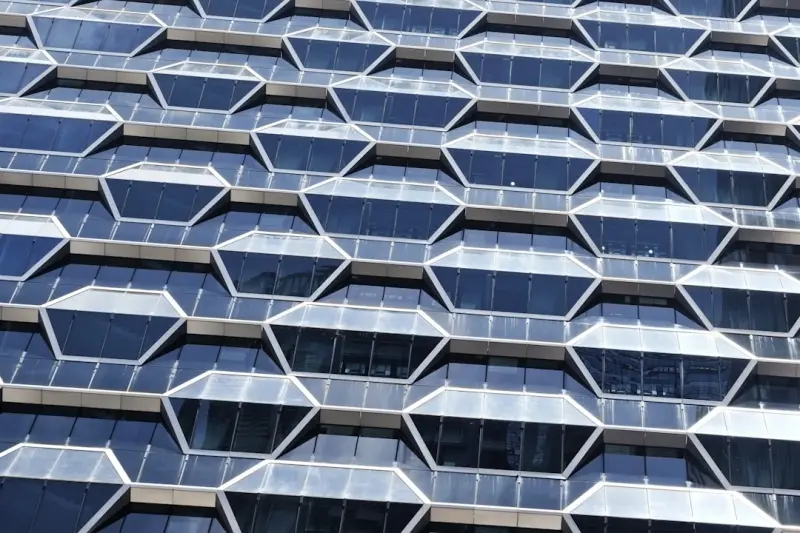
Solar‑Integrated Facades: When Architecture Meets the Sun
When I first stepped onto a downtown high‑rise whose skin shimmered like a living solar panel, I felt the future whispering from the glass. It wasn’t just a building—it was a statement that energy can be woven into the very fabric of our structures without sacrificing style. As someone who’s spent a decade translating complex technology into relatable narratives, I’ve learned that the most compelling stories are those where function and aesthetics dance together. This is the story of building‑integrated photovoltaics (BIPV)—the next frontier where solar energy stops being an afterthought and becomes a design protagonist.
Why BIPV Deserves a Spot on the Design Table
Traditional solar arrays have always been a bit of an eyesore for architects: large, boxy, and typically perched on rooftops or sprawling ground mounts. The result? A compromise—great energy production but a visual trade‑off. BIPV flips that script. By embedding solar cells directly into roofing materials, façade cladding, windows, and even shading devices, we get:
- Seamless Aesthetics: Solar becomes part of the building’s visual language rather than an add‑on.
- Space Efficiency: Every square foot contributes to power generation, a crucial benefit in dense urban cores.
- Reduced Material Costs: One product does the work of two—structural skin and power generator.
- Enhanced Performance: Facades can be oriented to capture optimal sunlight throughout the day, outperforming a static roof‑mounted system.
These benefits align perfectly with the growing demand for weather‑smart home envelopes that adapt to climate realities while preserving occupant comfort.
The Tech Behind the Beauty
At its core, BIPV isn’t magic; it’s an evolution of three key technologies:
- Thin‑Film Photovoltaics: Flexible, lightweight layers of semiconductor material that can be laminated onto glass, metal, or polymer substrates.
- Solar Glass: Transparent or semi‑transparent panels that generate electricity while letting light filter into interiors—ideal for curtain walls and skylights.
- Advanced Inverters & Power Optimizers: Modern electronics that manage the variable output of each solar segment, ensuring consistent performance even when parts of the façade are shaded.
What’s thrilling is that these components have reached a maturity level that rivals traditional building materials. Manufacturers now offer BIPV products that meet fire ratings, impact standards, and energy codes—all without a hefty premium.
Design Considerations: From Concept to Construction
Integrating solar into a building’s envelope isn’t a plug‑and‑play process. It demands a collaborative mindset across disciplines. Below are the critical checkpoints every project team should address:
- Sun Path Analysis: Early in the design phase, model the sun’s trajectory to identify high‑yield façade zones. This informs panel placement and tilt angles.
- Facade Geometry: Curved or faceted surfaces can create pockets of shading; however, with careful layout, they also offer opportunities for concentrated energy capture.
- Electrical Integration: BIPV systems must tie into the building’s electrical infrastructure. Coordination with electrical engineers ensures proper conduit routing and meets code requirements for disconnects and grounding.
- Thermal Performance: Solar panels absorb heat. Pairing BIPV with high‑performance glazing and shading strategies (think smart entryways) mitigates overheating while preserving daylight.
- Maintenance Planning: Though BIPV panels are built to last, they still need cleaning and occasional inspection. Designing access points and incorporating self‑cleaning coatings can reduce lifecycle costs.
When these pieces fit together, the result is a building that not only looks futuristic but also pays for a portion of its own energy consumption over time.
Real‑World Success Stories
Across the globe, visionary developers are already turning BIPV from concept to reality. Here are a few standout examples:
- The Edge, Amsterdam: Often cited as the world’s greenest office, its façade integrates solar glass that supplies roughly 15% of the building’s electricity, complementing an extensive rooftop array.
- One Central Park, Sydney: This mixed‑use tower uses a vertical garden combined with photovoltaic panels, creating a symbiotic relationship where the greenery shades the panels and the panels power the irrigation system.
- California’s “Solar‑Roof” Homes: Though marketed to residential owners, the underlying technology demonstrates that sleek, tile‑like solar roofing can meet code while blending seamlessly with traditional aesthetics.
These projects underscore a vital lesson: BIPV isn’t just for “green” buildings; it’s an enabling technology for any project where design intent and performance goals intersect.
Financial Viability: Making the Business Case
One of the lingering hesitations around BIPV is cost. While the upfront price tag can be higher than conventional cladding, the long‑term economics often tip the scales:
- Reduced Energy Bills: On‑site generation offsets utility rates, especially valuable in regions with time‑of‑use pricing.
- Incentives & Tax Credits: Many jurisdictions offer credits for renewable integration that apply to BIPV installations, effectively lowering net costs.
- Higher Asset Value: Buildings with integrated solar often command premium rents and resale prices, reflecting lower operating expenses.
- Insurance Benefits: Some insurers provide lower premiums for structures with renewable energy systems, recognizing reduced risk of power outages.
When you factor in the roofing reinvented model—where maintenance, performance monitoring, and upgrades are bundled into a service contract—the financial picture becomes even more attractive. Tenants and owners alike enjoy predictable costs, turning solar from a speculative investment into a reliable line item.
Overcoming Common Misconceptions
Even with the momentum building, several myths still hinder adoption:
- “Solar panels always look ugly.” Modern BIPV modules come in a variety of colors, textures, and transparency levels, allowing designers to match or contrast the existing façade palette.
- “You can’t generate enough power from a façade. While a façade alone may not meet 100% of a building’s demand, it can contribute a significant portion—often 10‑30%—and dramatically reduce peak grid draw.
- “Maintenance is a nightmare.” BIPV panels are built to the same durability standards as conventional roofing or glazing. Routine cleaning is similar to maintaining a glass curtain wall.
- “It’s only for new construction.” Retrofit kits now exist that allow existing façades to be upgraded with solar modules without major demolition.
Addressing these concerns early in client conversations helps smooth the path toward approval and budgeting.
Future Trends: What’s Next for Solar‑Integrated Architecture?
As we look ahead, three emerging trends promise to amplify the impact of BIPV:
- Perovskite‑Based Cells: Offering higher efficiencies and flexibility, perovskites could soon enable semi‑transparent solar windows with double‑digit power outputs.
- Dynamic Façades: Combining BIPV with electrochromic glass allows façades to adjust tint based on sunlight, optimizing both daylighting and energy capture.
- Digital Twins & AI Optimization: By creating a real‑time virtual replica of a building, operators can fine‑tune panel orientation, cleaning schedules, and load balancing to squeeze out every watt.
These innovations will make solar‑integrated façades not just a green add‑on, but a core component of intelligent, resilient building ecosystems.
Getting Started: A Practical Checklist for Developers
If you’re ready to explore BIPV for your next project, use this quick starter checklist:
- Engage Early: Bring a solar specialist into the schematic design phase.
- Model Sunlight: Run a comprehensive solar analysis to identify high‑yield zones.
- Select Materials: Choose BIPV products that meet local fire, wind, and impact codes.
- Plan Electrical Integration: Design conduit pathways and specify inverters before structural detailing.
- Budget for Lifecycle Costs: Include cleaning, monitoring, and potential upgrades in the OPEX model.
- Leverage Incentives: Work with a local consultant to capture all available tax credits and rebates.
- Communicate Value: Highlight the aesthetic and financial benefits to stakeholders, using case studies and performance projections.
By following these steps, you’ll turn the abstract idea of a solar‑powered façade into a tangible, market‑ready asset.
Conclusion: Solar Energy as Architectural Poetry
Imagine walking past a building whose very skin breathes sunlight, where each pane of glass sings a quiet hymn of clean power. That’s the promise of solar‑integrated façades—a harmony of engineering, sustainability, and design. As we collectively aim for lower carbon footprints and smarter cities, the line between structure and energy source will blur, and that blur will be beautiful.

Kelly Reynolds is a dynamic freelance writer hailing from the picturesque landscapes of Alberta. A master of the written word, she juggles her passion for storytelling with the exhilarating chaos of being a mother to five spirited children. With an impressive portfolio that spans various genres, Kelly captivates readers through her engaging blog posts and thought-provoking articles.
Related Posts
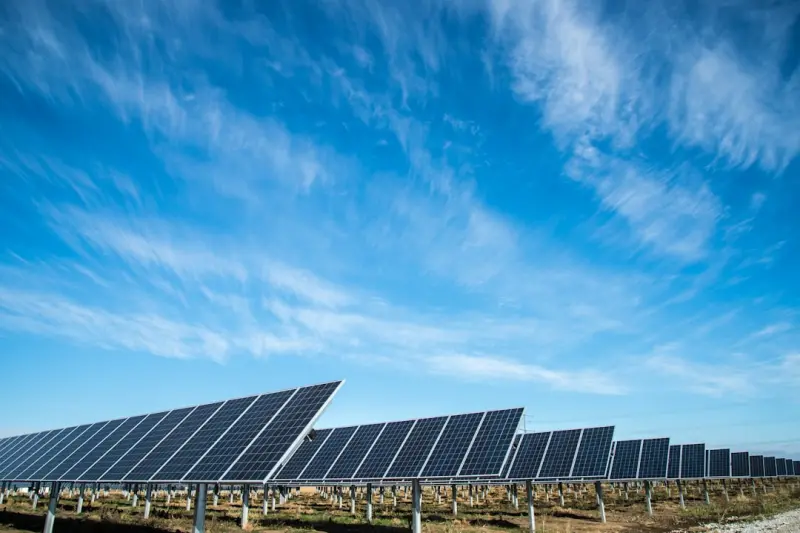
Solar as a Business Platform: Turning Sunlight into Strategic Advantage
Solar is evolving from a simple energy source into a strategic platform that drives revenue, resilie... Read More
Solar‑Powered Business Hubs: Turning Light into a Competitive Edge
A deep dive into leveraging solar power beyond utility bills, exploring service models, AI integrati... Read More
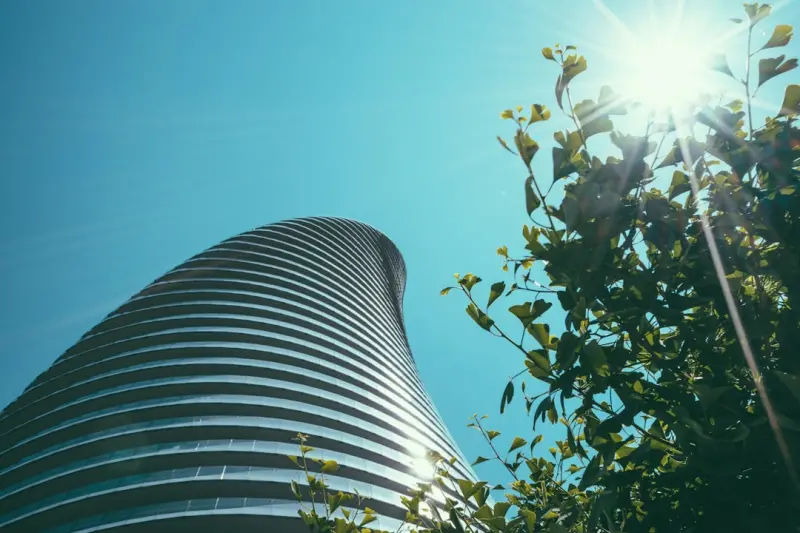
Solar‑Infused Biophilic Design: Turning Light into Wellness
A deep dive into how solar‑powered glazing, adaptive lighting, and living walls combine to transfo... Read More
Top Posts

Reimagining Sunrooms: From Seasonal Nooks to Year‑Round Wellness Sanctuaries
Sunrooms can evolve from seasonal extensions to holistic wellness sanctuaries. Learn how biophilic design, smart climate control, acoustic solutions, and sustai...Read More
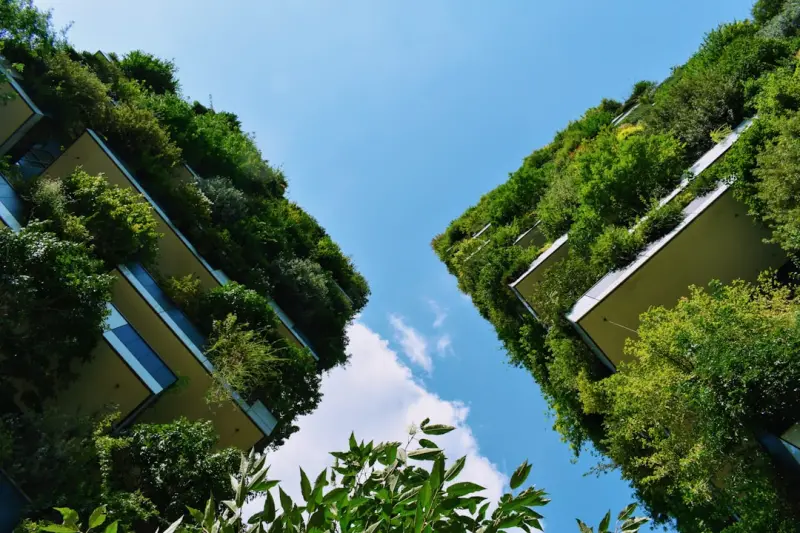
Building Smarter Foundations: Data, Sustainability, and Future‑Ready Strategies
Explore the evolution of construction foundations from static slabs to data‑driven platforms, covering AI soil analysis, digital twins, sustainable mixes, and...Read More
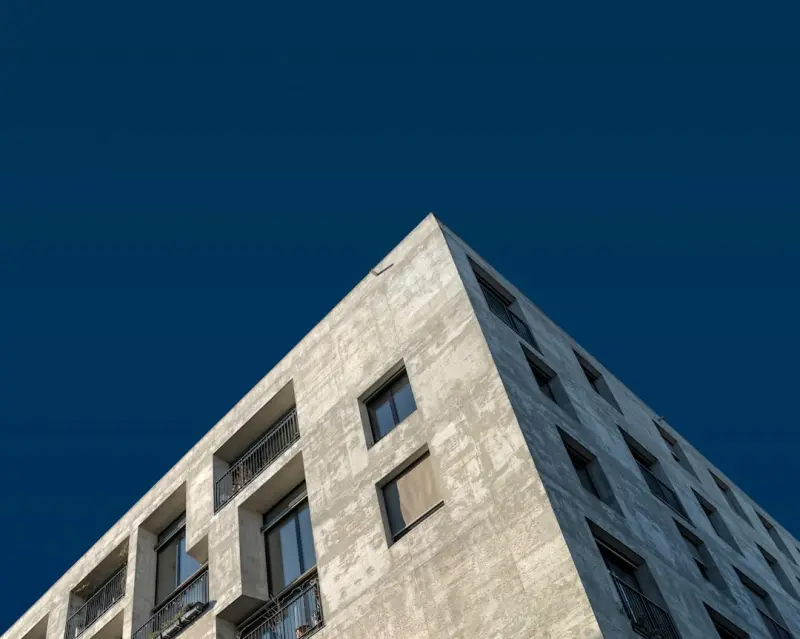
When Masonry Becomes an Intelligent Asset for Modern Workspaces
Masonry isn’t just a decorative element; when equipped with low‑power sensors, walls can deliver real‑time insights on temperature, humidity, and structur...Read More
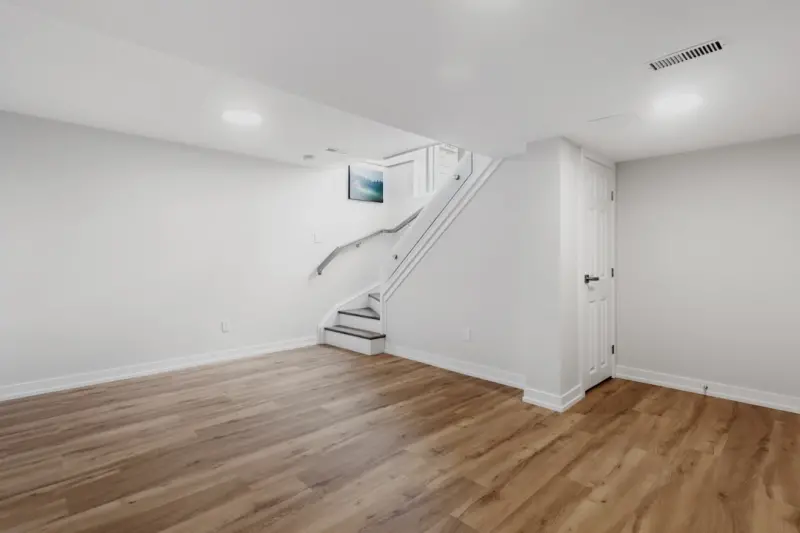
Unlocking the Hidden Potential of Your Basement: A Fresh Take on Modern Renovations
Explore a fresh perspective on basement remodels, from smart planning and moisture control to lighting, zoning, and sustainable finishes that boost value and li...Read More
0 Comments
Post Comment
You will need to Login or Register to comment on this post!