
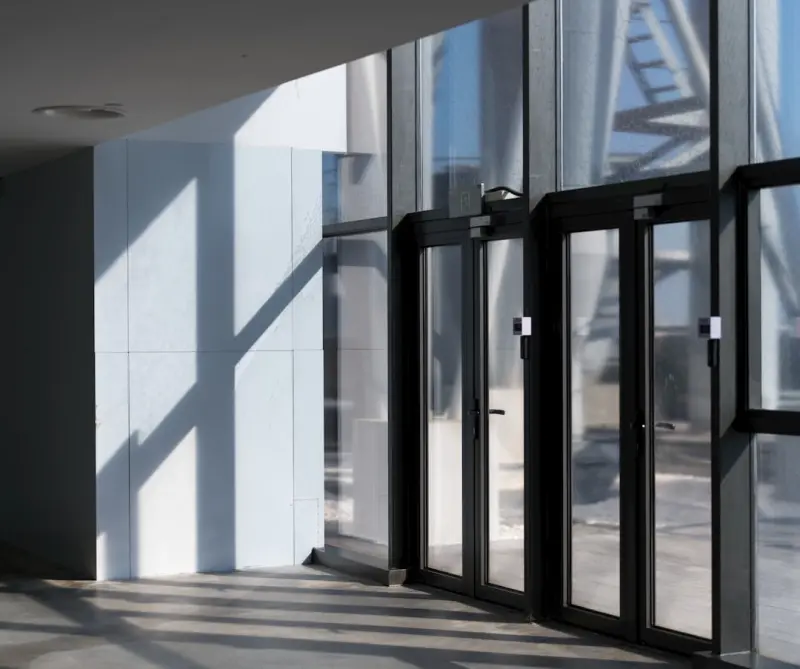
Why Traditional Entrances No Longer Cut It
When you walk through a conventional door, you probably don’t think about the hidden cost it imposes on a building’s energy bill, security posture, or the long‑term maintenance schedule. The truth is that a static door or a simple fixed‑frame window is a massive source of uncontrolled heat loss, drafts, and even acoustic leakage. In commercial settings, the cumulative effect of hundreds of under‑performing openings can swing the HVAC load by double digits, inflating operating expenses and compromising occupant comfort.
But the problem isn’t just thermal. Legacy hardware is prone to wear, misalignment, and failure—issues that often go unnoticed until a security breach or a costly emergency repair forces a shutdown. In an era where every square foot of building envelope is scrutinized for performance, the humble portal has become a bottleneck that demands a smarter, data‑driven solution.
The Rise of Connected Façade Systems
Enter the age of connected windows and doors—a convergence of IoT sensors, advanced glazing, and adaptive actuation mechanisms that transform an entry point from a passive barrier into an active building component. Modern manufacturers embed micro‑controllers directly into door frames, integrating temperature, humidity, and occupancy sensors that feed real‑time data to a centralized building management platform.
These platforms don’t just collect data; they analyze it with machine‑learning algorithms to predict when a seal is degrading, when a glass coating is losing its low‑E properties, or when a latch is about to fail. The result is a proactive maintenance regime that replaces the traditional “fix‑it‑when‑it‑breaks” mindset with a predictive, cost‑saving approach.
Smart Glass: More Than Just a View
One of the most exciting breakthroughs in window technology is electrochromic glass, commonly referred to as “smart glass.” This material can shift its tint on demand, reducing solar heat gain during peak sunlight while maintaining daylighting levels. Integrated with daylight sensors, the glass automatically darkens when the sun’s intensity exceeds a predefined threshold, cutting cooling loads and eliminating the need for blinds or shades.
Beyond energy savings, smart glass contributes to occupant well‑being. By dynamically controlling glare, it creates a healthier visual environment that supports productivity and reduces eye strain. When paired with the energy‑aware window treatments already present in many office spaces, the synergy can drive whole‑building performance to new heights.
Doors That Think: Integrated Actuation and Access Control
Modern doors are no longer just hinged panels. With motorized latches, magnetic seals, and built‑in proximity readers, they can respond to occupants’ presence, time of day, and security protocols. Imagine a lobby entrance that remains fully sealed during off‑hours to preserve indoor temperature, yet instantly unlocks and opens a welcoming breeze when a verified employee approaches.
These intelligent doors also incorporate vibration and acoustic sensors that detect forced entry attempts long before a break‑in is successful. The data streams directly into a security operations center, where AI models flag anomalies and trigger alerts, ensuring that security teams can intervene in real time.
Data‑Driven Door Lifecycle Management
Every smart entry point generates a rich dataset: opening frequency, seal integrity, temperature differentials, and even wear patterns on hinges. By aggregating this information across a portfolio of buildings, facility managers can benchmark performance, forecast replacement cycles, and negotiate better service contracts.
Predictive analytics play a pivotal role here. Using historical data, the system can estimate the remaining useful life of a door seal with a confidence interval of ±5 %. When the projected failure date approaches, an automated work order is generated, complete with parts recommendations and a preferred contractor list. This level of foresight aligns perfectly with the broader industry shift toward predictive maintenance mindset that’s reshaping all building subsystems.
Security Integration: From Perimeter to Point of Entry
Traditional security solutions treat doors as isolated checkpoints. In contrast, a connected door ecosystem merges physical security with cyber‑security. Each door’s firmware is version‑controlled, receiving OTA updates that patch vulnerabilities as soon as they’re discovered. Moreover, biometric authentication (fingerprint, facial recognition) can be tied to the building’s identity management system, ensuring that access rights are consistent across all entry points.
When a door detects an abnormal force—such as a crowbar strike—the system automatically engages a secondary lock, notifies security personnel, and, if integrated with the building’s fire safety system, can open an alternative egress route to guide occupants safely. This holistic approach turns a single door from a weak link into a fortified node within a broader defense strategy.
Retrofit Strategies for Existing Buildings
Not every building can be gutted for a full façade overhaul. Fortunately, the modular nature of modern smart doors and windows allows for phased retrofits. For example, a standard steel door can be upgraded by adding a retrofit kit that includes a motorized latch, a seal enhancement, and a sensor suite—all without replacing the entire frame.
Similarly, smart glass panels can be installed over existing glazing using a thin interlayer, preserving the original window while adding dynamic tinting capabilities. These upgrades can often be completed in a single business day, minimizing disruption to tenants and reducing labor costs.
ROI: Quantifying the Benefits
Financial justification is critical for any capital project. Studies indicate that intelligent glazing can reduce cooling energy consumption by up to 30 % in sun‑exposed zones, while smart doors can cut heating losses by 15‑20 % thanks to tighter seals and dynamic actuation. When combined with predictive maintenance, facilities report a 25 % reduction in unscheduled service calls, translating into lower labor costs and extended equipment lifespan.
Beyond direct savings, there are intangible benefits: enhanced occupant comfort, improved security posture, and a stronger sustainability narrative that can attract tenants seeking green‑certified spaces. Many property owners are now bundling these performance improvements into lease incentives, using smart entry technology as a differentiator in competitive markets.
Future Outlook: Toward a Fully Responsive Façade
The next frontier is a fully responsive façade where windows, doors, walls, and roofs communicate in a coordinated dance. Imagine a scenario where a sudden temperature spike triggers the smart glass to darken, the doors to seal tighter, the HVAC to adjust setpoints, and the building’s energy storage system to discharge stored power—all orchestrated by a unified AI engine.
Such a vision relies on open standards, interoperable protocols, and a robust cybersecurity framework. As manufacturers converge on common IoT platforms, the industry is poised to deliver these integrated solutions at scale, turning every opening in a building into a smart, self‑optimizing asset.
Getting Started: A Practical Checklist
- Audit your current envelope. Identify high‑traffic doors and sun‑exposed windows that present the biggest energy and security challenges.
- Define performance goals. Set targets for energy reduction, security incidents, and maintenance frequency.
- Choose compatible technology. Ensure that the smart door and window systems you select speak the same protocol as your existing BMS.
- Plan for phased rollout. Start with pilot locations to validate ROI before scaling across the portfolio.
- Engage stakeholders early. Involve tenants, security teams, and facilities staff to align expectations and gather feedback.
Conclusion
The transformation of windows and doors from passive openings to active, data‑driven components is no longer a futuristic concept—it’s happening now. By leveraging smart glass, connected door hardware, and predictive analytics, building owners can unlock substantial energy savings, bolster security, and elevate the occupant experience. The era of “set it and forget it” is over; today’s façade must adapt, learn, and respond in real time.
As the ecosystem matures, the integration of these intelligent entry points with broader building systems will create a seamless, resilient, and sustainable built environment—one where every door you walk through and every window you look through works smarter for you.

David MacKinnon is a dynamic freelance writer known for his captivating storytelling and keen insights into the world of technology. With a passion for exploring the intersection of innovation and everyday life, he crafts engaging narratives that not only inform but also inspire his readers.
Related Posts
Reimagining Windows & Doors: Sustainable Design Meets Modern Living
Explore the latest trends in windows and doors, from eco‑friendly materials and smart integration ... Read More
Sustainable Windows and Doors: A Key to Energy Efficiency
Sustainable windows and doors are crucial for energy efficiency and reducing environmental impact. L... Read More
Adaptive Glazing and Smart Frames: Redefining Comfort, Security, and Efficiency
Adaptive glazing and intelligent frames turn static windows and doors into dynamic systems that mana... Read More
Top Posts

Cultivating a Multi‑Sensory Lawn: A Fresh Approach to Outdoor Well‑Being
Transform your yard into a sensory sanctuary with diverse grasses, herbs, and smart water practices, creating an outdoor space that nurtures mind, body, and the...Read More

Transforming Basements into High‑Performance, Future‑Ready Spaces
A data‑driven, modular approach to basement renovations can convert a dark, damp area into a high‑performance hub for work, wellness, and entertainment whil...Read More

Designing Sound-Responsive Landscapes: Turning Outdoor Spaces into Auditory Experiences
Landscaping isn’t only visual; it’s auditory too. This article reveals how strategic plantings, textured hardscapes, water features, and emerging tech can s...Read More

When Vintage Desks Get a Tech Makeover: Merging Heritage Craft with Modern Function
Discover a fresh take on furniture restoration that blends traditional craftsmanship with embedded technology, turning heritage desks into smart, health‑focus...Read More
0 Comments
Post Comment
You will need to Login or Register to comment on this post!