
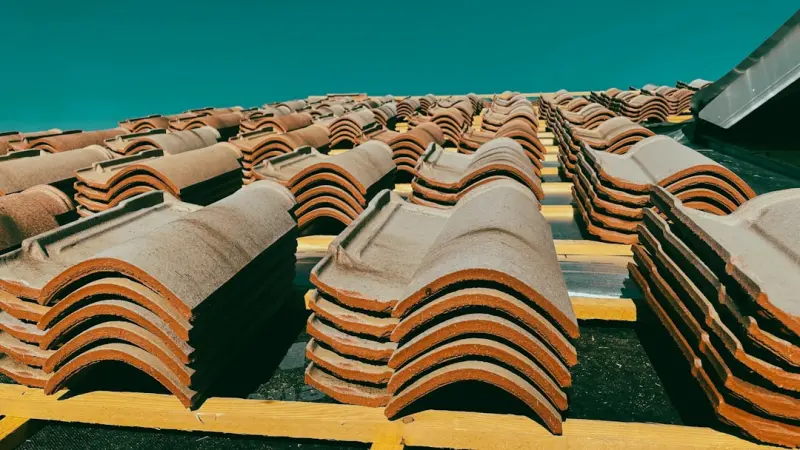
The Rise of Subscription‑Based Roofing and Intelligent Materials
When I first walked onto a construction site two decades ago, roofing was a straightforward trade: lay the shingles, seal the seams, and move on. Today, the roof is no longer just a protective shell; it’s a dynamic platform that can generate data, heal itself, and even become a service you pay for month‑to‑month. This shift mirrors broader trends in the built‑environment sector, where handyman services are moving to subscriptions, and smart sensors are turning traditional maintenance into predictive care. In this post, I’ll walk you through three intertwined revolutions reshaping commercial roofing: subscription models, self‑healing membranes, and AI‑powered monitoring.
Why the Traditional “Buy‑and‑Forget” Model Is Crumbling
Historically, owners treated a roof as a capital expense—a one‑time purchase followed by occasional repairs. That mindset creates two major pain points:
- Capital Drain: Large upfront costs can stall projects, especially for SMEs that operate on thin margins.
- Unpredictable Lifecycle: Weather events, thermal cycling, and material fatigue introduce hidden costs that are hard to budget for.
These challenges are amplified when you consider the rising frequency of extreme weather. The result? A growing appetite for financial structures that spread cost, provide guaranteed performance, and turn roofing into a managed service.
Enter Roofing‑as‑a‑Service (RaaS)
RaaS flips the traditional purchase model on its head. Instead of paying a lump sum, building owners subscribe to a comprehensive roofing package that includes:
- Installation of high‑performance membranes and accessories.
- Regular inspections, cleaning, and minor repairs.
- Full replacement at the end of the contract term, often with upgraded materials.
This subscription model aligns the interests of the roof provider with the building owner. The provider is incentivized to keep the roof in peak condition, because their revenue depends on the roof’s performance over the contract period.
Key Benefits of a Subscription Model
Predictable Cash Flow. Monthly payments turn a large CAPEX outlay into an OPEX line item, making budgeting simpler and freeing up capital for other strategic initiatives.
Performance Guarantees. Contracts typically include service level agreements (SLAs) that define uptime, leak‑free performance, and thermal efficiency. If the roof underperforms, the provider bears the cost of remediation.
Technology Refresh. Because the provider retains ownership of the roofing system, they can schedule upgrades—such as newer reflective coatings or integrated solar tiles—without requiring a new capital investment from the client.
Sustainability Credits. Many RaaS contracts incorporate recycled or bio‑based materials, allowing owners to claim green building credits without navigating complex procurement processes.
Self‑Healing Roofing Membranes: The Material Innovation You’ve Been Waiting For
Imagine a roof that can seal a puncture the same way our skin heals a cut. Researchers have been developing polymer‑based membranes that contain microcapsules of healing agents. When a crack forms, the capsule ruptures, releasing a resin that polymerizes and fills the gap.
These self‑healing membranes bring several advantages:
- Extended Service Life: Small defects that would normally propagate into costly failures are automatically sealed.
- Reduced Maintenance Visits: Fewer emergency calls translate to lower labor costs and less disruption to building occupants.
- Lower Environmental Impact: By extending the roof’s lifespan, we reduce the volume of waste sent to landfills.
When paired with a subscription model, self‑healing membranes become a perfect fit. The provider can guarantee a certain level of performance, knowing the material itself mitigates a large class of failures.
AI‑Driven Roof Monitoring: Turning Data Into Action
Just as smart sensors are revolutionizing home restoration, roofs are now being equipped with a network of low‑power sensors that measure:
- Temperature gradients across the membrane.
- Moisture ingress and humidity levels.
- Strain and deformation under wind load.
- Solar irradiance for hybrid roof‑solar systems.
These data streams feed into cloud‑based AI platforms that use machine learning to predict failure modes weeks—or even months—in advance. The algorithm correlates sensor data with historical weather patterns, material fatigue curves, and even localized traffic vibrations (think delivery trucks on rooftop loading docks).
Practical Use Cases
- Leak Forecasting: By detecting minute moisture upticks in a localized area, the system can schedule a targeted inspection before a leak becomes visible.
- Thermal Mapping: Spotting hot spots helps identify failing insulation or broken reflective layers, enabling proactive replacement.
- Load Management: Real‑time strain data can inform building management systems to limit rooftop equipment usage during high‑wind events.
When AI predicts a potential issue, the RaaS provider can dispatch a maintenance crew automatically, often before the building manager even knows there’s a problem. This proactive approach reduces downtime and protects the building’s interior assets.
Integrating the Three Pillars: A Real‑World Scenario
Let’s walk through a day in the life of a commercial office building that has adopted this modern roofing ecosystem:
- Morning Check‑In: The building’s roof monitoring dashboard flashes green. Sensors report normal temperature and humidity levels.
- Midday Weather Shift: A sudden thunderstorm rolls in. The AI model flags a spike in localized strain near a skylight. It predicts a 70% probability of membrane fatigue in the next 48 hours.
- Proactive Response: The RaaS provider receives an automated work order. A technician arrives within two hours, inspects the skylight, and applies a quick‑cure patch using the self‑healing resin.
- Post‑Event Review: After the storm, the system logs the event, updates its predictive model, and adjusts future risk assessments for that roof zone.
This loop—continuous sensing, AI analysis, and subscription‑backed service—creates a virtuous cycle where each component reinforces the others.
Economic Implications for Building Owners
Adopting RaaS with intelligent materials can improve a building’s Net Present Value (NPV) in three ways:
- Reduced Capital Expenditure: The subscription spreads costs evenly over the contract term, preserving cash for other initiatives.
- Lower Operating Expenses: Fewer emergency repairs and optimized maintenance schedules cut labor and material spend.
- Asset Valuation Boost: A roof that is certified to meet high performance standards can command higher lease rates and improve resale value.
For investors, these financial benefits translate into a more attractive risk profile and better alignment with ESG (Environmental, Social, Governance) criteria.
Challenges and How to Overcome Them
While the benefits are compelling, there are legitimate hurdles to widespread adoption:
- Initial Trust Barrier: Building owners may be skeptical about paying for a service they used to own. Transparent SLAs, third‑party performance audits, and clear ROI case studies can mitigate this concern.
- Data Security: Continuous sensor streams generate sensitive building data. Providers must adopt robust encryption, edge‑processing to minimize cloud exposure, and compliance with standards like ISO 27001.
- Material Compatibility: Not all existing roof structures can accommodate self‑healing membranes or sensor arrays. A phased retrofit approach—starting with high‑risk zones—helps manage risk.
The Road Ahead: From Smart Roofs to Smart Cities
Roofing is poised to become a cornerstone of smart city infrastructure. Imagine a network of rooftops that:
- Collect rainwater, filter it, and feed it into a building’s gray‑water system.
- Harvest kinetic energy from wind‑induced vibrations to power low‑energy sensors.
- Serve as a data hub for neighborhood-level micro‑climate monitoring, feeding city planners with hyper‑local weather insights.
These capabilities are not sci‑fi fantasies; they are emerging pilots in forward‑thinking municipalities. By embracing subscription models, self‑healing membranes, and AI monitoring now, commercial owners position themselves at the forefront of this urban evolution.
Getting Started: A Practical Checklist
If you’re considering transitioning to a modern roofing model, follow this concise checklist:
- Audit Existing Roof Condition: Conduct a baseline inspection (ideally with drone imagery) to map current performance.
- Define Business Objectives: Are you prioritizing cost predictability, sustainability, or data generation?
- Evaluate Service Providers: Look for partners who offer integrated RaaS, self‑healing material expertise, and AI analytics.
- Pilot a Section: Deploy sensors and a self‑healing membrane on a 10‑20% roof segment to validate performance.
- Scale and Optimize: Use pilot data to fine‑tune AI models, negotiate SLA terms, and roll out across the full roof.
Remember, the goal is not just to replace shingles—it's to transform the roof into a living asset that works for you.
Conclusion: From Passive Shield to Active Partner
Roofing has long been the silent guardian of our built environment, but silence no longer serves the demands of modern commercial real estate. By shifting to subscription‑based ownership, embracing self‑healing materials, and leveraging AI‑driven monitoring, we can turn the roof from a passive shield into an active partner in building performance, sustainability, and financial resilience. The era of “set it and forget it” is over; the roof is now a platform you can subscribe to, upgrade, and trust to keep your business soaring.

Lifan Chen is a freelancer based in Toronto specializing in marketing. With expertise in crafting effective marketing strategies and campaigns, Lifan helps businesses grow their brand presence and reach target audiences. As a Toronto-based freelancer, Lifan combines local market insights with creative marketing skills to deliver tailored solutions for clients.
Related Posts

From Concrete Jungle to Living Canopy: The Untapped Power of Green Roofs
Green roofs turn ordinary rooftops into thriving ecosystems that combat heat islands, manage stormwa... Read More
Rethinking Roofs: From Passive Shield to Active Asset
This article reveals how modern roofing can evolve from a static cover into a data‑driven, climate... Read More
The Future of Roofing: Eco‑Smart Solutions for Modern Homes
Explore how innovative roofing materials, smart tech, and sustainable design combine to create ecoâ€... Read More
Top Posts
The Sustainable Revolution in Countertop Design: A Comprehensive Guide
Explore the intersection of sustainability and countertop design, highlighting eco-friendly materials, benefits, challenges, and opportunities in this rapidly e...Read More

Seasonal Wardrobe Rotation: Turning Your Closet into a Year‑Round Organizer
Learn to transform a static closet into a flexible, seasonal storage solution that simplifies dressing, extends garment life, and brings calm to your daily rout...Read More
Embracing Sustainable Practices in Home Renovations
Sustainable home renovations can help reduce your carbon footprint, create a healthier living space, and increase your property value. Learn how to make your ne...Read More
Unlocking the ROI of Proactive Duct Hygiene for Commercial Spaces
A facility leader’s guide to turning duct cleaning from a reactive expense into a data‑driven investment, covering energy savings, equipment longevity, heal...Read More
0 Comments
Post Comment
You will need to Login or Register to comment on this post!