
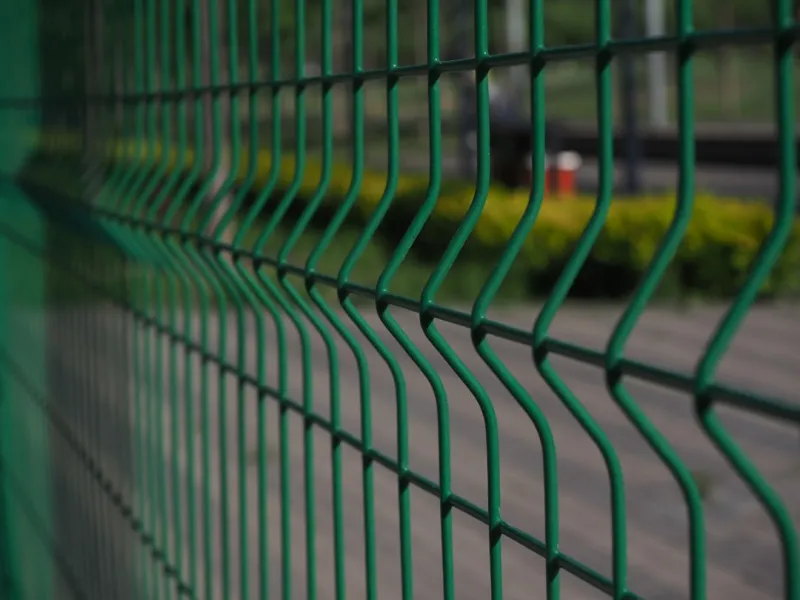
Why Fencing Is the New Frontier for Sustainable Home Design
When I first started swapping out old chain‑link barriers for something that actually adds value to a property, I quickly realized that a fence isn’t just a security tool – it’s a statement about how we treat our environment. Modern homeowners want privacy, style, and a reduced carbon footprint, and the market is finally responding with materials and methods that honor those goals. In my twenty‑plus years of working on residential projects, I’ve seen the shift from disposable timber to thoughtfully sourced, low‑impact solutions that blend durability with ecological responsibility, and that evolution is what fuels my excitement every spring when I’m out on a new installation.
Selecting the Right Sustainable Materials
The foundation of any eco‑friendly fence begins with the material, and I’ve learned that the choices are more nuanced than “wood versus metal.” Reclaimed hardwoods, responsibly harvested bamboo, and recycled aluminum all offer distinct benefits: reclaimed wood reduces landfill waste while providing a timeless aesthetic, bamboo grows rapidly and sequesters carbon, and recycled aluminum boasts a near‑infinite lifespan with minimal maintenance. By evaluating the life‑cycle impact of each option, including extraction, processing, and end‑of‑life disposal, I help clients make decisions that align with both their budget and their green values, ensuring the fence they choose contributes positively to the planet rather than becoming another environmental burden.
Eco‑Friendly Finishes and Maintenance Strategies
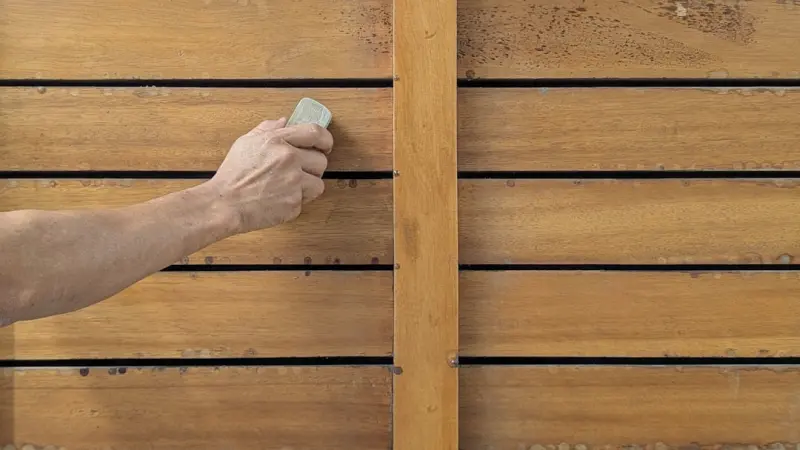
Even the most sustainable raw material can fall short if it’s finished with toxic chemicals or neglected over time, so I always advocate for natural, low‑VOC stains, water‑based sealants, and regular upkeep that extends the fence’s life. Applying a penetrating oil made from linseed or tung not only protects against moisture and UV damage but also enhances the wood’s natural grain, creating a look that ages gracefully without the need for frequent repainting. Simple maintenance routines—such as a yearly wash with a biodegradable cleaner and a quick inspection for loose fasteners—can prevent rot and corrosion, dramatically reducing the fence’s overall carbon footprint while keeping it looking fresh for decades.
Designing Fences That Harmonize With the Landscape
One of my favorite challenges is weaving a fence into the existing ecology of a yard so that it feels like an extension of the garden rather than an imposition. By aligning fence lines with natural contours, planting native shrubs along the base, and incorporating living walls or trellises, the barrier becomes a habitat for pollinators and birds, turning a purely functional structure into an ecological asset. I often use a mix of staggered post placement and varied panel heights to break up visual monotony, creating a dynamic silhouette that complements the surrounding flora and offers homeowners a sense of privacy without sacrificing openness.
Balancing Security, Aesthetics, and Sustainability
Security doesn’t have to come at the expense of beauty or environmental stewardship, and I’ve found that thoughtful design can meet all three criteria simultaneously. High‑strength, recycled steel mesh can be discreetly concealed behind a decorative wooden slat system, delivering robust protection while preserving a warm, natural look that blends with the property’s architecture. For clients who prioritize visual appeal, I recommend laser‑cut patterns that allow airflow and light penetration, reducing the need for artificial lighting while still deterring intruders. By customizing the fence’s density and height, we can tailor the level of privacy and security to each homeowner’s specific needs without defaulting to over‑engineered, resource‑intensive solutions.
Installation Practices That Minimize Environmental Impact
Even the greenest materials can be compromised by wasteful construction habits, which is why I always emphasize low‑impact installation techniques that respect the site’s integrity. Using pre‑drilled, modular panels reduces on‑site cutting and material off‑cuts, while hand‑driven auger bits for post holes limit soil disruption compared to heavy‑duty power tools. Whenever possible, I schedule work during cooler parts of the day to lessen fuel consumption from equipment, and I recycle packaging and scrap metal back to suppliers, creating a closed‑loop system that mirrors the principles of sustainable building. These practices not only lower the project’s carbon emissions but also demonstrate to clients that every step—from planning to completion—can be responsibly managed.
Real‑World Success: A Case Study in Eco‑Friendly Fencing
Recently, I completed a backyard transformation for a family who wanted a fence that would protect their children, enhance curb appeal, and stay true to their zero‑waste lifestyle. We opted for a reclaimed pine frame paired with a Eco‑Friendly Fencing solution that incorporated reclaimed wood panels treated with a natural, plant‑based preservative. The result was a striking, warm‑toned barrier that blended seamlessly with the existing garden beds, and the family reported a 30 % reduction in maintenance time thanks to the durable finish. This project reinforced my belief that sustainable fences can exceed expectations in durability, aesthetics, and environmental performance, proving that green choices are also smart business decisions for homeowners.
Connecting Fencing to the Bigger Picture of Sustainable Contracting
Fencing is just one piece of a larger puzzle, and when it’s approached with a holistic mindset, it reinforces the goals of an entire sustainable renovation. I often reference the principles outlined in Why Sustainable General Contracting Is the Future of Home Renovations to illustrate how every material choice, from insulation to exterior trim, contributes to a healthier home environment. By integrating an eco‑friendly fence into a broader strategy that includes energy‑efficient windows, rainwater harvesting, and low‑impact landscaping, homeowners can achieve a cohesive, low‑carbon footprint property that stands the test of time while delivering comfort and style.
Emerging Trends: Recycled Composites and Smart Fence Technology
The future of fencing is already being reshaped by innovative materials like recycled plastic‑wood composites, which combine the look of timber with the durability of polymer, eliminating the need for chemical treatments and reducing deforestation pressure. Simultaneously, smart fence technologies—such as solar‑powered motion sensors, integrated lighting, and IoT‑enabled access controls—are gaining traction, offering owners real‑time security data while operating on renewable energy. These advancements not only enhance functionality but also align with the growing consumer demand for products that are both high‑tech and environmentally conscious, creating a new market segment where sustainability and convenience intersect seamlessly.
Final Thoughts: Your Role in Shaping Sustainable Outdoor Spaces
Choosing the right fence is a powerful way to express your commitment to the planet while protecting your home, and as a seasoned contractor, I’m here to guide you through every decision with transparency and expertise. Whether you’re drawn to reclaimed timber, recycled metal, or cutting‑edge composite panels, the key is to consider the entire life cycle—from sourcing and installation to maintenance and eventual reuse. By embracing these sustainable practices, you not only elevate the aesthetic and security of your property but also contribute to a greener future for your community. Ready to start your eco‑friendly fencing journey? Let’s collaborate and turn your outdoor space into a lasting testament to responsible design.

Paul Gray is a dynamic blogger based in Brampton, where he shares his life with his amazing wife, Sarah. Known for his engaging writing style and relatable insights, Paul has carved out a niche in the blogging world that resonates with readers from all walks of life. When he's not crafting captivating posts, you can find him savoring a cold beer or indulging in the latest blockbuster movie. With a friendly demeanor and a passion for storytelling, Paul brings a unique perspective to his work, making him not just a blogger, but a voice for those who appreciate the simple joys of life.
Related Posts
Beyond Boundaries: Reinventing Facility Fencing
This post explores how contemporary fencing can go beyond simple barriers, integrating smart materia... Read More

Fencing Trends: How Sustainable Design Is Redefining Outdoor Spaces
Discover how eco‑friendly materials, smart technology, and innovative designs are turning fences i... Read More
Smart Fences: Turning Perimeters Into Living, Learning, and Securing Platforms
Explore the evolution of fencing from a static barrier to a smart, living system that integrates IoT... Read More
Top Posts
Designing the Next‑Generation Garage: Flexibility, Sustainability, and Smart Integration
A modern garage can be more than a place for cars. This guide shows how adaptable layouts, sustainable construction, smart tech, and strategic permitting turn t...Read More
Smart Sensors Meet Home Restoration: A New Age of Precision
A deep dive into the role of smart sensors in modern home restoration, revealing how data‑driven insights, sustainable materials, and proactive maintenance ar...Read More

The Foundation of Sustainable Construction: Why Energy Inspections Matter
Energy inspections play a vital role in ensuring that buildings are energy-efficient and environmentally responsible. Learn why energy inspections matter in sus...Read More

The Sustainable Carpet Cleaning Playbook: Insights from a Veteran Pro
William Roy shares insider tips on eco‑friendly carpet cleaning, debunking myths, integrating sustainability, and future tech—all to keep homes healthier an...Read More
0 Comments
Post Comment
You will need to Login or Register to comment on this post!