
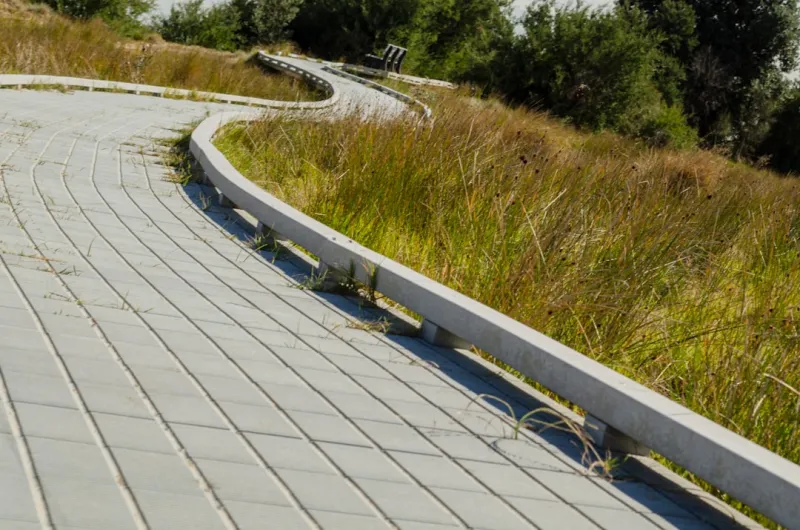
The Evolution of Masonry: A Sustainable Path Forward
As a masonry expert, I've seen firsthand the impact that traditional construction methods can have on the environment. The production of cement, a key component of concrete, is a significant contributor to greenhouse gas emissions. However, with the rise of sustainable building practices, the masonry industry is evolving to meet the demands of a more environmentally conscious market. In this article, we'll explore the sustainable path forward for masonry and what it means for homeowners and builders.
The traditional masonry approach often relies on energy-intensive materials and techniques. However, by incorporating recycled materials, reducing waste, and implementing energy-efficient designs, masonry can play a vital role in sustainable construction. For instance, using locally sourced materials can significantly reduce transportation-related emissions. Additionally, masonry structures can be designed to maximize natural light and ventilation, reducing the need for artificial lighting and heating and cooling systems.
The Benefits of Sustainable Masonry
Sustainable masonry offers numerous benefits, including reduced environmental impact, improved energy efficiency, and increased durability. By using materials with high recycled content, such as reclaimed brick or recycled glass, builders can significantly reduce waste and minimize the environmental footprint of their projects. Furthermore, sustainable masonry techniques, such as using insulated concrete forms (ICFs), can provide superior insulation and reduce energy consumption.
One of the most significant advantages of sustainable masonry is its ability to provide a durable and long-lasting building envelope. Masonry structures can last for decades with minimal maintenance, reducing the need for resource-intensive renovations and replacements. This approach not only benefits the environment but also provides homeowners with a cost-effective solution.
The Role of Sustainable Materials in Masonry
The selection of materials is a critical component of sustainable masonry. Traditional materials, such as portland cement, can have a significant environmental impact. However, there are many sustainable alternatives available, including low-carbon concrete and recycled materials. For example, using fly ash or slag cement can reduce the amount of portland cement required, resulting in a lower carbon footprint.
In addition to reducing environmental impact, sustainable materials can also improve the performance of masonry structures. Materials with high thermal mass, such as concrete or brick, can absorb and release heat, reducing the need for heating and cooling systems. This approach can lead to significant energy savings and a more comfortable indoor environment.
The Importance of Energy Efficiency in Masonry
Energy efficiency is a critical consideration in sustainable masonry. By designing masonry structures to maximize natural light and ventilation, builders can reduce the need for artificial lighting and heating and cooling systems. This approach not only benefits the environment but also provides homeowners with a cost-effective solution.
One effective way to improve energy efficiency in masonry is to use insulated concrete forms (ICFs). ICFs provide superior insulation and can significantly reduce energy consumption. Additionally, ICFs can be used to create complex shapes and designs, providing architects and builders with greater creative freedom.
The Future of Masonry: Trends and Innovations
The masonry industry is rapidly evolving, with new trends and innovations emerging regularly. One of the most significant trends is the increasing use of sustainable and recycled materials. Builders and homeowners are seeking out materials with high recycled content, such as reclaimed brick or recycled glass, to reduce waste and minimize environmental impact.
Another trend is the use of advanced technologies, such as 3D printing and prefabricated masonry units. These technologies can improve efficiency, reduce waste, and provide greater design flexibility. For example, 3D printing can be used to create complex shapes and designs, while prefabricated masonry units can be used to speed up construction and reduce labor costs.
The Intersection of Masonry and Sustainable Home Restoration
Masonry plays a critical role in sustainable home restoration. By incorporating sustainable materials and techniques, homeowners can improve the energy efficiency and durability of their homes. For instance, using sustainable flooring materials can improve indoor air quality and reduce waste.
In addition to improving energy efficiency, sustainable masonry can also enhance the aesthetic appeal of a home. By incorporating recycled materials and traditional techniques, homeowners can create a unique and attractive building envelope. This approach not only benefits the environment but also provides homeowners with a cost-effective solution.
Conclusion
The evolution of masonry is critical to meeting the demands of a more environmentally conscious market. By incorporating sustainable materials and techniques, builders and homeowners can reduce environmental impact, improve energy efficiency, and increase durability. As the masonry industry continues to evolve, it's essential to stay informed about the latest trends and innovations.
By working together, we can create a more sustainable future for masonry and the built environment. Whether you're a builder, homeowner, or simply a sustainability enthusiast, there are many ways to get involved and make a positive impact. From selecting sustainable materials to implementing energy-efficient designs, every effort counts.
As a masonry expert, I'm excited to see the impact that sustainable practices can have on the environment. By embracing sustainable masonry, we can create a more environmentally conscious and responsible building industry.
Additional Resources
* The Ultimate Guide to Basement Renovations: Transforming Your Space * The Evolution of Concrete: A Sustainable Path Forward

When it comes to the world of blogging and writing, Rose DesRochers is a name that stands out. Her passion for creating quality content and connecting with her audience has made her a trusted voice in the industry. Aside from her skills as a writer and blogger, Rose is also known for her compassionate nature.
Related Posts
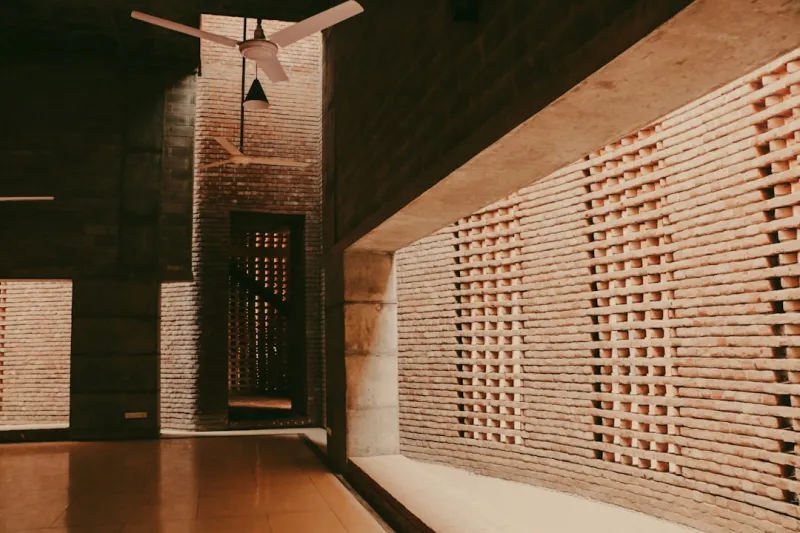
The Evolution of Masonry: Trends, Innovations, and Best Practices
The masonry industry has undergone significant changes in recent years, driven by advances in materi... Read More
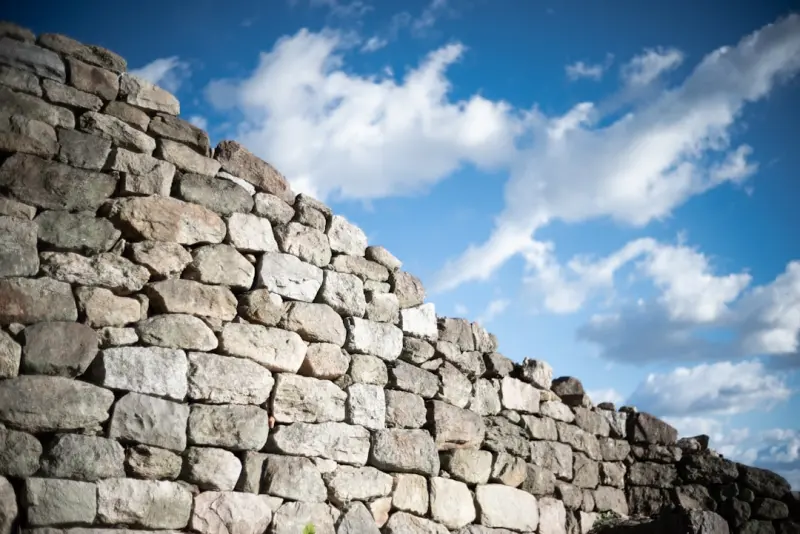
Reimagining Masonry: Smart, Sustainable, and Resilient
Discover how to combine age‑old brickcraft with modern sensors, breathable insulation, and AI-driv... Read More

Masonry’s Quiet Revolution: Sustainable Strength for Modern Homes
Discover why masonry’s thermal mass, fire resilience, and eco‑friendly sourcing make it the perf... Read More
Top Posts
Weatherproofing Your Home for a Sustainable Future
Weatherproofing your home is crucial for a sustainable future. Learn how to reduce energy consumption, lower utility bills, and protect your home from extreme w...Read More
The Hidden Life of Moisture: Data‑Driven Waterproofing for Future‑Proof Buildings
A deep dive into active waterproofing systems that use real‑time moisture data, AI predictions, and integrated building management to protect structures, exte...Read More
From Dark to Dynamic: Leveraging Basement Renovations for Scalable Business Spaces
Basements are often overlooked, but with modular construction, data‑driven comfort, and strategic design they can become powerful, cost‑effective spaces tha...Read More
Digital Twin Energy Inspections: Real‑Time Building Insight
A digital twin turns static energy inspections into a live, data‑driven dialogue, enabling real‑time optimization, ESG reporting, and tenant comfort—all w...Read More
0 Comments
Post Comment
You will need to Login or Register to comment on this post!