
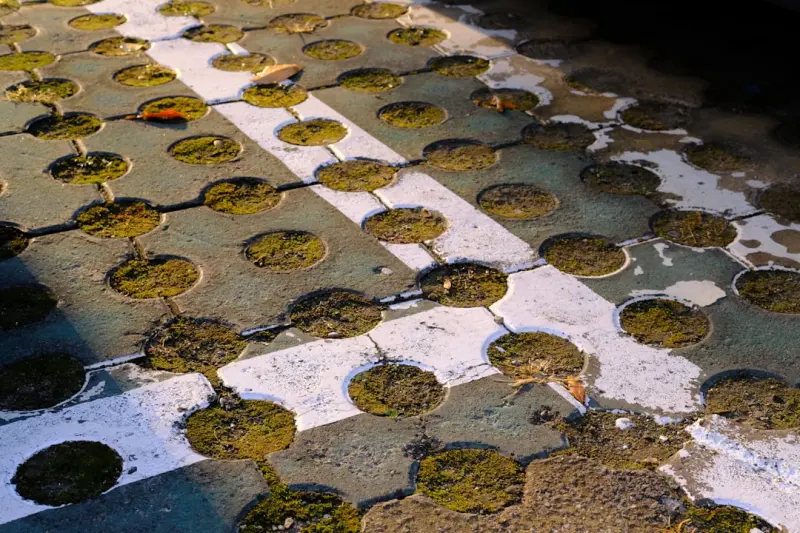
Why Paving Isn’t Just About Asphalt Anymore
When most people think about paving, the image that pops up is a smooth, gray ribbon of asphalt stretching over a highway or parking lot. For me, that’s the old‑school view—a functional slab that gets you from point A to point B. Over the past decade, I’ve watched the conversation shift dramatically. Paving has become a platform for climate strategy, community health, and even a subtle form of architecture. It’s no longer a silent, invisible layer; it’s an active participant in how a site behaves, how water moves, and how people feel when they walk across it.
The Climate Crisis Calls for Permeable Solutions
Stormwater runoff is a silent killer. In many cities, a single summer downpour can dump millions of gallons of untreated water into storm drains, overwhelming infrastructure and contaminating waterways with oil, heavy metals, and sediment. Traditional impervious pavements accelerate that problem. The answer, I’ve found, lies in permeable paving—pavement that lets water seep through, filter, and return to the ground where it belongs.
Permeable pavements come in three primary families: porous asphalt, pervious concrete, and interlocking permeable pavers. Each has its own performance profile, but they share a common promise: reducing runoff, mitigating flooding, and recharging groundwater. The environmental payoff is clear, but the financial story is equally compelling.
Economic Incentives: Savings That Add Up
Many municipalities now offer incentives for installing permeable surfaces—tax credits, reduced storm‑water fees, and even grants for pilot projects. From a developer’s standpoint, the return on investment can be realized in several ways:
- Lower Storm‑Water Assessments: By reducing the volume of runoff, you often qualify for lower fees under local storm‑water utility pricing.
- Extended Pavement Life: Water that stays on the surface can weaken the sub‑grade, leading to cracks and potholes. Permeable systems keep the base dry, extending the life cycle of the pavement.
- Reduced Maintenance Costs: While cleaning a conventional pavement means sweeping debris that eventually clogs drains, permeable systems require periodic vacuuming—an operation that’s quick, predictable, and often less costly than major resurfacing.
The math is simple: invest a little more upfront, reap a host of long‑term savings, and contribute to a healthier environment.
Designing for Performance: The Layers That Matter
Successful permeable paving is a matter of layers, much like a well‑baked cake. Here’s a quick breakdown of the typical cross‑section:
- Surface Layer: The wear surface—porous asphalt, pervious concrete, or interlocking pavers—provides structural integrity and the tactile experience for pedestrians or vehicles.
- Base Aggregate: A carefully graded stone bed (often ¾‑inch crushed stone) acts as the primary reservoir for infiltrated water.
- Geotextile Separator: This fabric keeps the aggregate from mixing with the underlying native soil while allowing water to pass through.
- Sub‑grade: The native soil or engineered fill that ultimately absorbs the water and feeds it into the groundwater table.
Every layer must be designed with the local climate, soil type, and traffic load in mind. In regions with heavy clay soils, for example, a thicker aggregate base or supplemental drainage trenches may be required to prevent saturation.
Heat Island Mitigation: Cool Pavements for Hot Cities
Another hidden benefit of permeable paving is its effect on urban heat islands. Traditional asphalt absorbs and radiates heat, often pushing street‑level temperatures several degrees higher than surrounding green spaces. Permeable concrete and pavers, especially those with light‑colored aggregates, reflect more solar energy and retain less heat.
Combine that with a reflective coating or a cool‑pavement admixture, and you can shave 5‑10 °F off peak surface temperatures. The result? Lower cooling loads for nearby buildings, more comfortable pedestrian zones, and a measurable reduction in energy consumption.
From Streets to Shared Spaces: Expanding the Palette
Permeable paving isn’t confined to parking lots. It’s increasingly being used in plazas, bike lanes, and even indoor atriums with raised flooring systems. When you think of a city square that doubles as a rain garden, the concept of “paving” becomes fluid—literally. The surface can transition seamlessly into planted areas, creating a cohesive, multifunctional landscape.
One of my favorite projects was a downtown pedestrian mall that blended interlocking permeable pavers with native grasses and wildflowers. During a summer storm, the pavers acted as a sponge, allowing rainwater to infiltrate while the surrounding vegetation filtered it further. The result was a vibrant, dry walking surface that felt cool underfoot and looked stunning.
Integrating Technology Without Overcomplicating
While the sensor‑embedded surfaces trend is fascinating, I’ve learned that a pragmatic approach works better for most clients. Simple, low‑tech solutions—like embedded moisture sensors that trigger vacuum cleaning—can provide the data you need without turning a pavement into a high‑maintenance gadget.
For those who want to go a step further, consider integrating smart masonry concepts into the surrounding walls or retaining structures. This creates a “smart envelope” around your permeable surface, allowing you to monitor structural health and water flow in a unified system.
Case Study: A Community Center’s Permeable Revamp
The town of Willow Creek approached me with a dilemma: a newly built community center sat atop a former parking lot that flooded every spring. The budget was tight, and the city council wanted a solution that would showcase sustainability.
We opted for a combination of porous asphalt for the main traffic lanes and interlocking permeable pavers for the surrounding walkways. Under the surface, we installed a 12‑inch aggregate base and a high‑strength geotextile. To ensure long‑term performance, we added a series of shallow French drains that fed excess water into an on‑site rain garden.
Within the first year, storm‑water runoff from the site dropped by 78 %, and the community center earned a regional green building award. The success story was highlighted in the local press, and neighboring municipalities began inquiring about replicating the design.
Maintenance Made Manageable
One of the biggest myths about permeable paving is that it’s high‑maintenance. The truth is that with a solid maintenance plan, it’s straightforward:
- Routine Vacuuming: Every 6‑12 months, a commercial vacuum removes accumulated sediment. This is quick and can be scheduled during off‑peak hours.
- Surface Inspection: Look for surface cracking or settlement. Small repairs can be done with the same material used for the original installation.
- Drainage Checks: Ensure that any outlet structures (e.g., French drains) remain clear of debris.
Because the system is designed to shed water naturally, you’ll rarely need the heavy‑duty excavation required for traditional pavement repairs.
Materials Spotlight: Sustainable Options for the Eco‑Conscious
If you’re aiming for a low‑carbon footprint, consider these material choices:
- Recycled Aggregate: Crushed glass, reclaimed concrete, and recycled plastic can replace a portion of natural stone in the base layer.
- Bio‑Based Binders: Some manufacturers now offer asphalt binders derived partially from bio‑oil, reducing reliance on petroleum.
- Permeable Pavers with Green Fill: Interlocking pavers that incorporate a vegetated strip between them not only improve infiltration but also add a splash of greenery.
These options not only lower embodied carbon but can also earn LEED credits, a win‑win for developers chasing sustainability certifications.
Future Outlook: Scaling Permeable Pavement Citywide
As climate resilience becomes a non‑negotiable part of urban planning, cities are beginning to treat permeable paving as a utility rather than an afterthought. The next wave will likely involve:
- Policy Incentives: Zoning codes that require a certain percentage of permeable surface in new developments.
- Public‑Private Partnerships: Shared funding models to retrofit existing infrastructure.
- Integrated Water Management: Linking permeable pavements to larger storm‑water harvesting systems for non‑potable reuse.
By positioning your project at the forefront of this shift, you not only future‑proof your investment but also become a catalyst for broader community benefits.
Putting It All Together: A Checklist for Your Next Paving Project
Before you dive in, run through this quick checklist to ensure you’ve covered the bases:
- Assess site soil and drainage characteristics.
- Select the appropriate permeable surface type for traffic load.
- Design the aggregate base thickness based on local rainfall intensity.
- Incorporate a geotextile separator and plan for sub‑drainage.
- Choose sustainable material options where possible.
- Develop a maintenance schedule that includes vacuuming and inspections.
- Explore local incentives, grants, or policy requirements.
- Consider integrating smart monitoring for long‑term performance.
By following these steps, you’ll create a pavement that not only serves its functional purpose but also contributes to a healthier, more resilient built environment.
Closing Thoughts: Paving as a Platform for Change
When I first started my career, paving was a means to an end—a way to get traffic moving. Today, it’s a platform for environmental stewardship, community well‑being, and even aesthetic expression. The shift isn’t just about new materials; it’s about rethinking what a surface can do for the world around it.
Whether you’re a property manager, a city planner, or a curious homeowner, the opportunity to make a tangible impact is right under your feet. Embrace permeable paving, and you’ll be part of a movement that turns ordinary streets into living, breathing parts of a resilient ecosystem.

Kelly Reynolds is a dynamic freelance writer hailing from the picturesque landscapes of Alberta. A master of the written word, she juggles her passion for storytelling with the exhilarating chaos of being a mother to five spirited children. With an impressive portfolio that spans various genres, Kelly captivates readers through her engaging blog posts and thought-provoking articles.
Related Posts

Paving the Way: Cool, Permeable and Energy‑Smart Surfaces for Modern Buildings
Traditional pavement hides hidden costs in heat, runoff, and maintenance. This article explores cool... Read More

Why Permeable Paving Is the Future of Home Driveways
Explore how permeable paving turns ordinary driveways into sustainable assets, cutting runoff, lower... Read More
Designing Sustainable Paving: From Permeable Paths to Smart Surfaces
A fresh look at paving that blends sustainability, design, and smart tech, offering practical steps ... Read More
Top Posts

Designing for the Senses: A New Era of Experiential Interiors
A deep dive into sensory‑first interior design, blending biophilic principles, acoustic comfort, textile storytelling, and flexible layouts to create immersiv...Read More

Beyond the Checklist: How AI and Drones Are Reinventing Home Inspections
Traditional home inspections miss hidden moisture, energy leaks, and structural fatigue. By integrating AI-driven thermal imaging, drone roof surveys, and IoT s...Read More

Roofing Reimagined: How Smart Materials Are Turning Your Roof Into a Living Asset
Modern roofs are evolving from passive shields to intelligent platforms that generate energy, regulate climate, and predict maintenance needs, delivering signif...Read More
Concrete’s Quiet Revolution: How Modern Mixes, Modular Pods, and Smart Sensors Are Changing Homebuilding
Explore the transformative power of modern concrete—from ultra‑strong mixes and modular construction to smart sensors—offering homeowners durability, sust...Read More
0 Comments
Post Comment
You will need to Login or Register to comment on this post!