
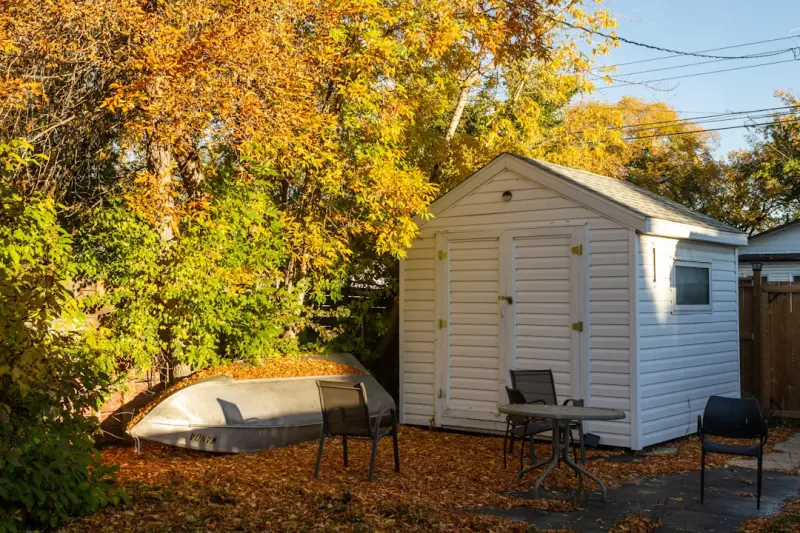
From Backyard Shed to Productivity Hub: Designing a Flexible Outdoor Workspace
When I first inherited my grandparents’ weather‑worn shed, I saw more than a cluttered storage space; I saw a canvas for a new kind of work‑life balance. The idea of swapping a cramped home office for a sun‑kissed, breezy nook in the garden seemed almost whimsical, but the pandemic‑driven shift to remote work proved that flexibility is no longer a luxury—it’s a necessity. In this post, I’ll walk you through the step‑by‑step process of converting a modest shed or gazebo into a functional, inspiring workspace that boosts creativity, respects the environment, and still feels like home.
Why a Shed?
Traditional offices often trap us in four walls of artificial light and stagnant air. A shed, on the other hand, offers three distinct advantages:
- Physical separation. Walking a few steps outside to “clock in” signals a mental shift from household chores to professional focus.
- Customizable footprint. Whether you have a 6‑ft‑by‑8‑ft garden cabin or a sprawling gazebo, the space can be tailored to your exact workflow needs.
- Eco‑friendly potential. With the right materials and smart upgrades, a shed can become a low‑energy hub that aligns with sustainable living goals.
But turning a simple outbuilding into a high‑performance office isn’t as simple as adding a desk and a lamp. It requires thoughtful design, a pinch of DIY spirit, and a dash of tech integration.
Step 1: Assess the Structure and Layout
Before you start dreaming about ergonomic chairs and dual monitors, walk through the shed and note its current condition:
- Foundation and flooring. Is the floor level? Do you need a vapor barrier? A sturdy, insulated floor will keep your equipment safe from moisture and temperature swings.
- Wall integrity. Check for rot, cracks, or gaps. Reinforcing walls with reclaimed lumber not only adds character but also improves structural stability.
- Roof condition. Leaks are the last thing you want while typing up a client proposal. A quick green handyman inspection can identify where a simple shingle replacement or a more ambitious green roof installation will pay off.
Document your findings with photos and a simple sketch. This “as‑is” map will be the foundation for all subsequent decisions.
Step 2: Insulation and Climate Control
Unlike a climate‑controlled office, a shed is exposed to the elements. Proper insulation is the key to comfort year‑round:
- Walls. Spray‑foam insulation offers high R‑values in thin layers, but if you prefer a more natural route, consider cellulose made from recycled newspaper.
- Ceiling. Rigid foam boards topped with reclaimed wood paneling provide both thermal protection and an aesthetic that feels warm, not industrial.
- Heating & cooling. A compact, electric mini‑split system can heat and cool a 50‑square‑foot space efficiently. Pair it with a ceiling fan for passive airflow on milder days.
Don’t forget to seal gaps around windows and doors with weather‑stripping. Even small air leaks can undermine your insulation investment.
Step 3: Power, Connectivity, and Smart Features
Reliable electricity and internet are non‑negotiable. Here’s how to future‑proof your shed without breaking the bank:
- Electrical wiring. Run a dedicated circuit from your home’s breaker panel, using conduit to protect the wiring from moisture. If you’re not comfortable with DIY electrical work, hire a licensed electrician to ensure compliance with local codes.
- Internet. A high‑gain Wi‑Fi antenna mounted on the roof can boost signal strength dramatically. For truly rock‑solid connectivity, consider a point‑to‑point wireless bridge that links directly to your router.
- Smart monitoring. Installing a predictive plumbing sensor might sound overkill, but a simple moisture detector near the floor can alert you to leaks before they become costly disasters. Pair it with a smart thermostat to optimize heating and cooling based on occupancy.
These upgrades transform the shed from a static structure into an intelligent, responsive workspace.
Step 4: Ergonomic Furniture and Layout
Now that the technical groundwork is laid, it’s time to think about how you’ll actually work inside the space:
- Desk selection. A compact, height‑adjustable desk lets you switch between sitting and standing. If space is at a premium, a wall‑mounted fold‑down desk can double as a workspace and a gallery for inspirational art.
- Seating. Invest in an ergonomic chair with good lumbar support. A chair with a breathable mesh back will keep you cool during summer days.
- Storage. Use modular shelving made from reclaimed pallets to keep paperwork, tech accessories, and personal items organized without cluttering the floor.
Arrange your furniture so that natural light streams across your screen, reducing glare. Position the desk near a window, but not directly in front of it—this avoids distracting reflections while still letting you enjoy the view.
Step 5: Light, Air, and Ambiance
Lighting can make or break productivity. A blend of natural and artificial light works best:
- Natural light. Install a skylight or a series of clerestory windows to flood the interior with daylight. The extra light not only boosts mood but also reduces reliance on artificial fixtures.
- Artificial lighting. Layered lighting—ambient ceiling fixtures, task lighting for the desk, and accent lights for mood—gives you control over the environment throughout the day.
- Ventilation. A small, quiet exhaust fan ensures fresh air circulation, preventing the buildup of stale air and humidity that can damage electronics.
Consider adding a few natural elements—a potted plant, a small water feature, or a reclaimed wooden accent wall. These touches create a biophilic connection that research shows enhances focus and reduces stress.
Step 6: Personalization and Branding
Your shed office should feel like an extension of you, not a generic cabin. Here are a few ways to inject personality:
- Color palette. Choose calming, muted tones for the walls—soft greens, warm grays, or a subtle navy. Add a splash of your brand’s color through a rug or wall art.
- Art and inspiration. Hang a corkboard for ideas, a gallery wall of motivational quotes, or a series of vintage travel postcards that spark curiosity.
- Acoustic comfort. Even though you’re outside, sound can travel. Adding acoustic panels made from recycled denim or cork can reduce echo and keep conference calls crisp.
These custom touches make the space uniquely yours, fostering a sense of ownership that fuels creativity.
Step 7: Sustainable Practices and Future‑Proofing
One of the most rewarding aspects of a shed transformation is the opportunity to embed sustainability into daily work life. Here are some low‑effort, high‑impact ideas:
- Solar power. A modest rooftop solar panel array can offset the electricity used by your office equipment, turning the shed into a net‑zero work hub.
- Rainwater harvesting. Install a rain barrel to collect water for indoor plants, reducing reliance on municipal water.
- Materials reuse. Repurpose old doors as desk surfaces, or use reclaimed barn wood for shelving. This not only reduces waste but adds a story‑rich aesthetic.
By integrating these elements, your shed becomes a living example of how workspaces can be both productive and planet‑friendly.
Step 8: Maintenance Routine
Just like any other part of your property, your shed office needs regular upkeep to stay functional and attractive. Adopt a simple schedule:
- Monthly. Inspect the roof for debris, clean the windows, and test the moisture sensor alerts.
- Quarterly. Check insulation for signs of dampness, tighten any loose screws on furniture, and update firmware on smart devices.
- Annually. Repaint or reseal wood surfaces, service the HVAC unit, and evaluate the energy performance of any solar installations.
Keeping a small maintenance log—perhaps a digital note on your phone—helps you stay ahead of issues before they become costly repairs.
Real‑World Success Stories
Since I completed my own shed office transformation, I’ve spoken with dozens of fellow professionals who have taken similar paths. One freelance graphic designer turned his old tool shed into a bright, airy studio, reporting a 30% increase in client satisfaction because of the more focused environment. Another small‑business owner repurposed a garden gazebo as a pop‑up meeting room, using it to host client presentations that felt “off the beaten path” and left lasting impressions.
These stories illustrate that the concept isn’t a niche trend; it’s a versatile solution adaptable to many professions and lifestyles.
Final Thoughts: Your Shed, Your Sanctuary
Creating a productive outdoor workspace is more than a renovation project; it’s an investment in your mental well‑being, your professional output, and the planet. By following the steps above—assessing the structure, insulating wisely, integrating smart tech, and personalizing the design—you’ll turn an overlooked outbuilding into a vibrant sanctuary for focused work and creative thinking.
So, grab that old shed key, pull back the curtain of doubt, and step into a new era where work and nature coexist harmoniously. Your future self (and the environment) will thank you.

Kelly Reynolds is a dynamic freelance writer hailing from the picturesque landscapes of Alberta. A master of the written word, she juggles her passion for storytelling with the exhilarating chaos of being a mother to five spirited children. With an impressive portfolio that spans various genres, Kelly captivates readers through her engaging blog posts and thought-provoking articles.
Related Posts
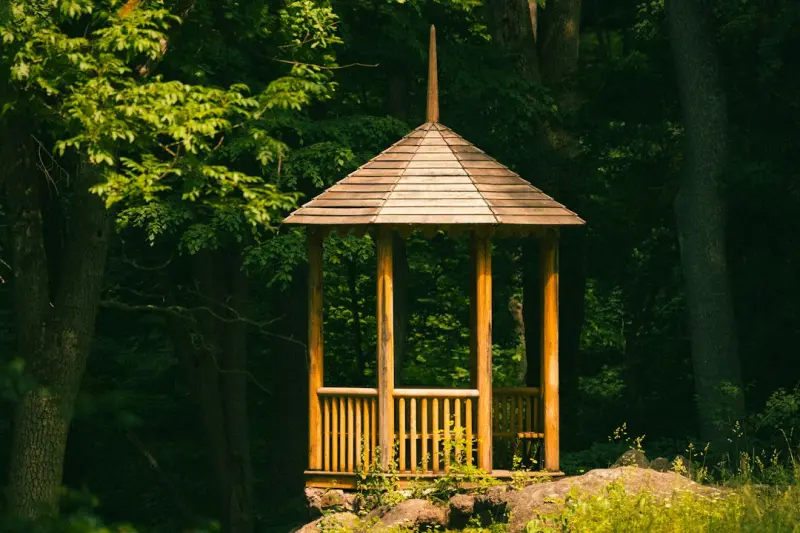
Backyard Powerhouses: How Sheds & Gazebos Reinvent Corporate Flexibility
Sheds and gazebos are evolving from simple storage or leisure structures into strategic micro‑offi... Read More
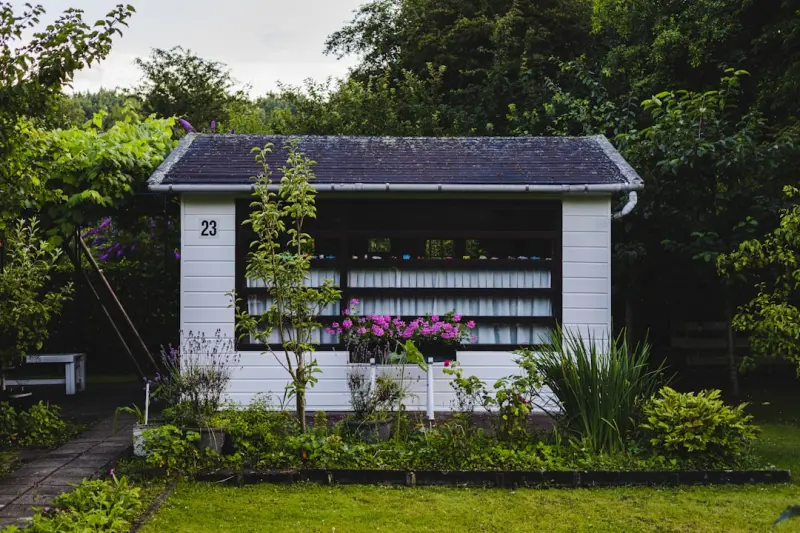
Backyard Sheds & Gazebos: From Storage to Lifestyle Hubs
Explore practical upgrades, sustainable materials, and smart tech that turn ordinary backyard sheds ... Read More
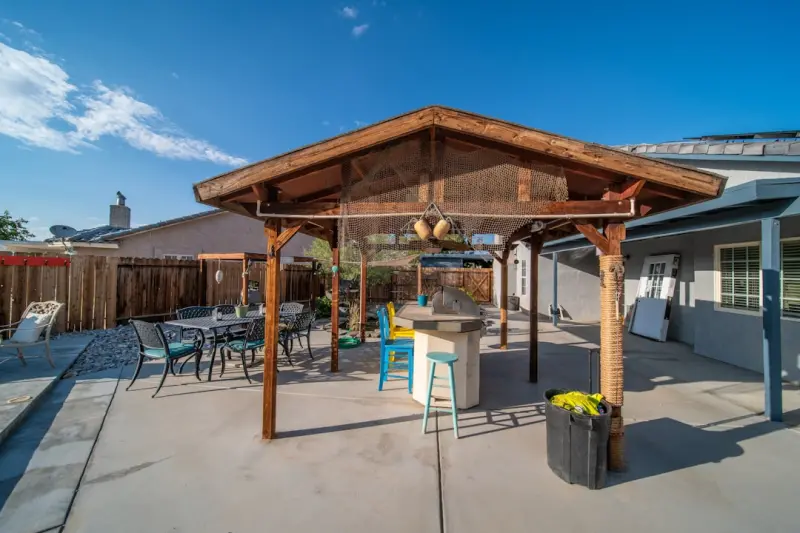
Backyard Retreats: Turning Sheds and Gazebos into Personal Sanctuaries
A guide to reimagining sheds and gazebos as flexible, sustainable retreats—covering purpose, mater... Read More
Top Posts
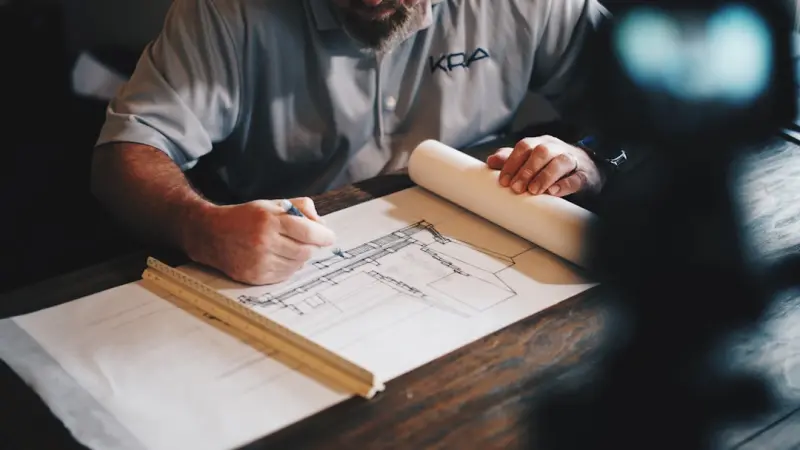
Beyond the Blueprint: Data‑Driven Commercial Renovations That Pay Off
A data-first approach to commercial renovations leverages occupancy sensors, energy analytics, and modular design to deliver faster ROI, higher employee satisfa...Read More
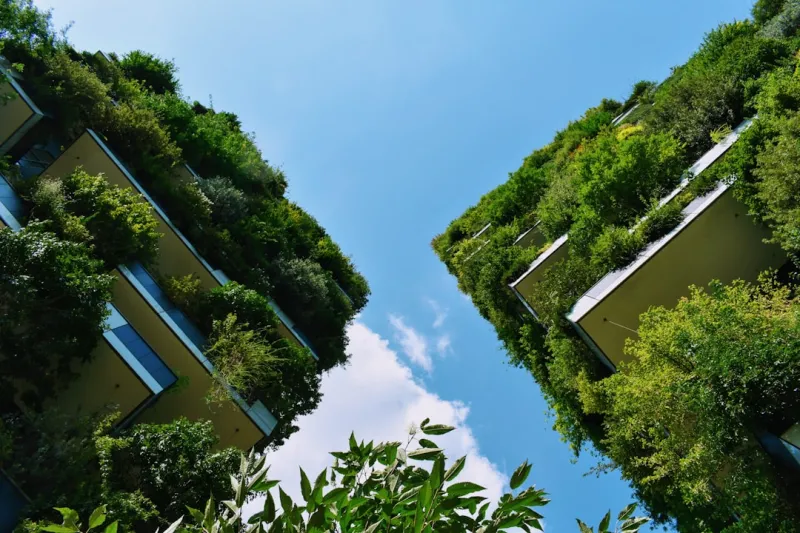
Designing a Sustainable Smart Sanctuary: Trends That Transform Your Home
Explore how eco‑friendly materials, smart window treatments, and multifunctional furniture combine to create a sustainable, tech‑forward sanctuary in any ho...Read More

Weathering the Storm: A Comprehensive Guide to Home Weather Proofing
Weather proofing your home is crucial for protecting your investment, preventing costly repairs, and maintaining a safe and comfortable living environment. Lear...Read More

Nature‑Inspired Window Treatments: Elevating Light, Comfort, and Sustainability
Explore fresh strategies for window treatments that blend nature, technology, and sustainability, boosting occupant wellbeing while reducing energy use....Read More
0 Comments
Post Comment
You will need to Login or Register to comment on this post!