
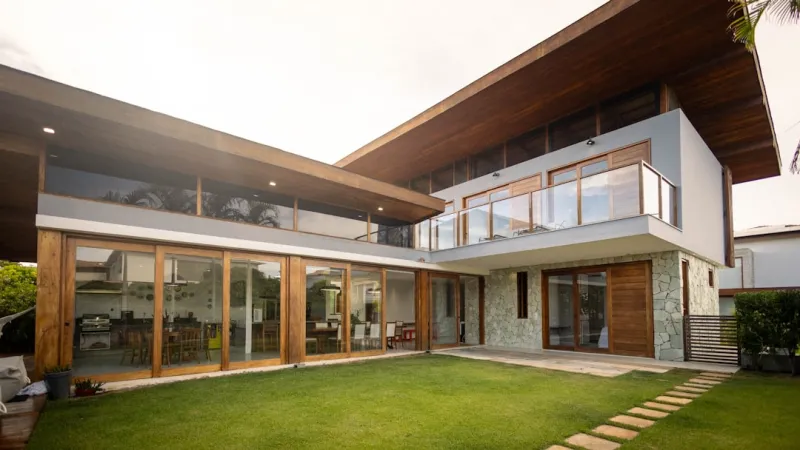
The Role of Home Inspections in Sustainable Home Design
As a seasoned home inspector, I've seen my fair share of homes with design flaws, construction errors, and environmental hazards. But what if I told you that a thorough home inspection can play a critical role in sustainable home design? That's right; by identifying potential issues early on, homeowners can make informed decisions that not only save them money but also reduce their environmental footprint. In this article, I'll explore the importance of home inspections in sustainable home design and highlight some key areas to focus on.
Why Sustainable Home Design Matters
Sustainable home design is no longer just a buzzword; it's a necessity. With climate change, environmental degradation, and resource depletion on the rise, homeowners have a responsibility to do their part. Sustainable home design not only reduces a home's carbon footprint but also provides a healthier living space for occupants. From energy-efficient appliances to eco-friendly building materials, there are many ways to make a home more sustainable. But before you start making changes, it's essential to understand the current state of your home.
The Importance of Home Inspections
A home inspection is a critical step in the home buying or selling process, but it's also an essential tool for sustainable home design. By hiring a professional home inspector, homeowners can identify potential issues that may impact the sustainability of their home. For example, a home inspector can check for energy-efficient windows, adequate insulation, and proper ventilation. They can also identify environmental hazards such as radon, asbestos, and lead-based paint. By addressing these issues early on, homeowners can make targeted improvements that reduce their environmental impact.
Key Areas to Focus on During a Home Inspection
So, what areas should homeowners focus on during a home inspection? Here are a few key areas to consider:
- Energy Efficiency: Check for energy-efficient windows, insulation, and HVAC systems.
- Water Conservation: Look for low-flow fixtures, greywater systems, and rainwater harvesting systems.
- Indoor Air Quality: Check for proper ventilation, radon levels, and environmental hazards.
- Waste Management: Consider implementing recycling programs and composting systems.
The Connection Between Home Inspections and Sustainable Home Additions
When it comes to making sustainable home additions, a home inspection is crucial. By understanding the current state of your home, you can make informed decisions about which materials to use, how to design your addition, and what features to include. For example, if you're planning to add a new room to your home, a home inspector can help you determine the best way to integrate it with your existing HVAC system. They can also provide guidance on sustainable home additions and eco-friendly construction trends.
The Benefits of Sustainable Home Design
So, what are the benefits of sustainable home design? For starters, it can reduce energy consumption and lower utility bills. It can also improve indoor air quality and provide a healthier living space for occupants. Additionally, sustainable home design can increase property values and reduce maintenance costs. And let's not forget about the environmental benefits – sustainable home design can reduce greenhouse gas emissions and help combat climate change.
Weatherproofing Your Home for a Sustainable Future
Weatherproofing your home is an essential part of sustainable home design. By sealing air leaks, installing energy-efficient windows, and adding insulation, homeowners can reduce heat loss and gain. This not only saves energy but also reduces the risk of water damage and environmental hazards. For more information on weatherproofing your home, check out my previous article on weatherproofing your home for a sustainable future.
Conclusion
In conclusion, home inspections play a critical role in sustainable home design. By identifying potential issues early on, homeowners can make informed decisions that reduce their environmental footprint and save them money. From energy-efficient windows to eco-friendly building materials, there are many ways to make a home more sustainable. And by working with a professional home inspector, homeowners can ensure that their home is designed and built with sustainability in mind.
Final Thoughts
As a home inspector, I've seen firsthand the impact that sustainable home design can have on the environment and homeowners' wallets. By prioritizing sustainability and working with a professional home inspector, homeowners can create a healthier, more eco-friendly living space that benefits both them and the planet. So, if you're planning to buy, sell, or renovate a home, consider hiring a home inspector who specializes in sustainable home design. Your wallet – and the planet – will thank you.

Kelly Reynolds is a dynamic freelance writer hailing from the picturesque landscapes of Alberta. A master of the written word, she juggles her passion for storytelling with the exhilarating chaos of being a mother to five spirited children. With an impressive portfolio that spans various genres, Kelly captivates readers through her engaging blog posts and thought-provoking articles.
Related Posts

Augmented Reality and Sensor Fusion: The Next Wave in Home Inspections
A deep dive into how augmented reality, drone technology, and sensor networks are transforming home ... Read More

The Importance of Home Weatherproofing: A Comprehensive Guide
Home weatherproofing is crucial for protecting your home from the elements and maintaining its integ... Read More
Beyond the Checklist: A Human‑Focused Home Inspection Strategy for Resilient Living
A human‑centric home inspection goes beyond ticking boxes, uncovering hidden health risks, climate... Read More
Top Posts

The Countertop Conundrum: How to Choose, Care for, and Future‑Proof Your Kitchen Surface
A personal guide to picking the right countertop, balancing durability, sustainability, and resale value while staying ahead of trends....Read More
When Digital Twins Preserve Handcrafted Heritage
A seasoned restoration pro reveals how 3‑D digital twins combine modern tech with traditional craft to accurately repair historic homes, reduce rework, and bo...Read More
The Quiet Revolution: How Insulation Transformed My Home Comfort and Bills
Learn the insider tricks Kelly Reynolds used to turn insulation into a powerhouse of comfort, energy savings, and sustainable living—all without major remodel...Read More

Beyond Bells and Sirens: Redefining Home Alarm Systems for the Connected Era
Modern alarm systems are evolving from simple intrusion alerts to predictive, privacy‑focused, and energy‑aware platforms that protect homes, lower insuranc...Read More
0 Comments
Post Comment
You will need to Login or Register to comment on this post!