
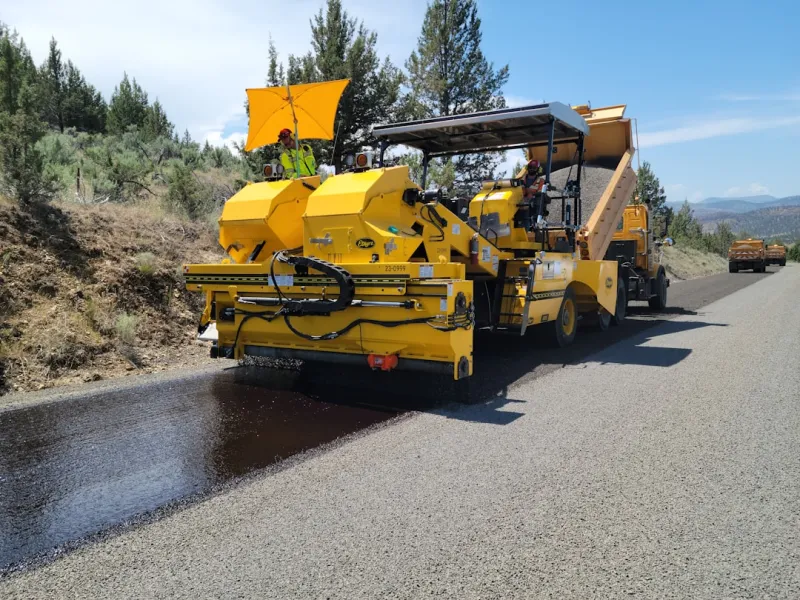
The Future of Paving: How Sustainable Solutions Are Revolutionizing the Industry
As a paving expert, I've seen firsthand the impact that traditional paving methods can have on the environment. From the extraction of raw materials to the installation and maintenance of pavement, the process can be resource-intensive and contribute to a range of environmental problems. However, I'm excited to report that the paving industry is undergoing a significant transformation, with sustainable solutions becoming increasingly popular. In this article, I'll explore the future of paving and how eco-friendly methods are revolutionizing the industry.
The Environmental Impact of Traditional Paving
Traditional paving methods have a significant environmental impact, from the extraction of raw materials to the installation and maintenance of pavement. The production of asphalt and concrete, for example, requires large amounts of energy and resources, and can result in the release of greenhouse gases and other pollutants. Additionally, traditional paving methods can lead to stormwater runoff, which can carry pollutants and sediments into nearby waterways. According to a recent study, sustainable paving solutions can reduce stormwater runoff by up to 70%. This is a significant reduction that can have a major impact on the environment.
Sustainable Paving Solutions
So, what are sustainable paving solutions, and how do they work? Sustainable fencing options are just one example of how eco-friendly materials and practices are being used to create more environmentally friendly pavement. For example, permeable pavers allow water to pass through, reducing stormwater runoff and filtering out pollutants. Recycled materials, such as reclaimed asphalt pavement and recycled glass, are also being used to create more sustainable pavement. These materials not only reduce waste but also provide a cost-effective alternative to traditional materials.
The Benefits of Sustainable Paving
The benefits of sustainable paving are numerous. Not only do eco-friendly paving solutions reduce the environmental impact of pavement, but they also offer a range of economic and social benefits. For example, sustainable paving solutions can reduce maintenance costs by up to 50%. This is because eco-friendly materials and practices are designed to be more durable and long-lasting, reducing the need for frequent repairs and replacements. Additionally, sustainable paving solutions can improve air and water quality, reduce stormwater runoff, and even help to mitigate the urban heat island effect.
The Role of Design Build in Sustainable Paving
Design build is a construction method that involves a collaborative approach to project delivery. By working together, architects, engineers, and contractors can create more sustainable and eco-friendly paving solutions. The future of design build is all about integrating sustainable solutions into the design and construction process. This includes using eco-friendly materials, designing for energy efficiency, and incorporating green infrastructure into paving projects. By adopting a design build approach, paving professionals can create more sustainable and environmentally friendly pavement that meets the needs of both people and the planet.
The Future of Paving
So, what does the future of paving look like? As the industry continues to evolve, we can expect to see even more innovative and eco-friendly solutions emerge. From sustainable design build to green infrastructure, the possibilities are endless. As a paving expert, I'm excited to be a part of this revolution, and I'm confident that sustainable solutions will play a major role in shaping the future of the industry.
Conclusion
In conclusion, the future of paving is all about sustainability. By adopting eco-friendly materials and practices, paving professionals can create more environmentally friendly pavement that meets the needs of both people and the planet. From permeable pavers to recycled materials, sustainable paving solutions offer a range of benefits, from reduced environmental impact to cost savings and improved air and water quality. As the industry continues to evolve, I'm excited to see even more innovative and eco-friendly solutions emerge.
Take Action
So, what can you do to take action and make a positive impact on the environment? Start by considering sustainable paving solutions for your next project. Whether you're a homeowner, contractor, or municipal official, there are many ways to get involved and make a difference. From using eco-friendly materials to designing for energy efficiency, every little bit counts. Together, we can create a more sustainable future for paving and for our planet.
Additional Resources
If you're interested in learning more about sustainable paving solutions, there are many resources available. From online articles and blogs to industry conferences and workshops, there are many ways to stay up-to-date on the latest developments in sustainable paving. Some recommended resources include the National Association of Home Builders, the American Society of Civil Engineers, and the Environmental Protection Agency. By staying informed and getting involved, you can help to shape the future of sustainable paving and create a more environmentally friendly industry.
Final Thoughts
In final thoughts, the future of paving is bright, and sustainable solutions are leading the way. By adopting eco-friendly materials and practices, we can create more environmentally friendly pavement that meets the needs of both people and the planet. As a paving expert, I'm excited to be a part of this revolution, and I'm confident that sustainable solutions will play a major role in shaping the future of the industry. Whether you're a homeowner, contractor, or municipal official, I encourage you to join the conversation and take action to create a more sustainable future for paving.

Craig Brett is a freelancer with a passion for the outdoors. His love for nature inspires his work, bringing authentic and engaging perspectives to projects related to outdoor activities, adventure, and environmental topics.
Related Posts
Why Permeable Paving Is the Future of Home Driveways
Explore how permeable paving turns ordinary driveways into sustainable assets, cutting runoff, lower... Read More
Designing Sustainable Paving: From Permeable Paths to Smart Surfaces
A fresh look at paving that blends sustainability, design, and smart tech, offering practical steps ... Read More
The Sustainable Paving Revolution: A Greener Future for Your Outdoor Space
Join the sustainable paving revolution and create a greener future for your outdoor space. Learn abo... Read More
Top Posts
The Untapped Business Power of Smart Awnings
A deep dive into how smart, sustainable awnings transform storefronts into data‑driven branding assets, improve energy efficiency, and drive foot traffic....Read More

Design a Home Office Oasis That Boosts Focus and Well‑Being
Turn your remote‑work corner into a soothing oasis. Learn how lighting, sound, ergonomic furniture, and personal details combine to boost focus, comfort, and ...Read More

Transforming Your Basement Into a Health‑Focused Oasis
Learn practical steps to convert a neglected basement into a wellness hub, emphasizing air quality, natural light, biophilic elements, acoustic comfort, and int...Read More
Beyond the Frame: How Windows & Doors Are Shaping Modern Workplaces
Windows and doors are more than architectural elements; they’re strategic assets that drive energy efficiency, health, security, and long‑term value. This p...Read More
0 Comments
Post Comment
You will need to Login or Register to comment on this post!