
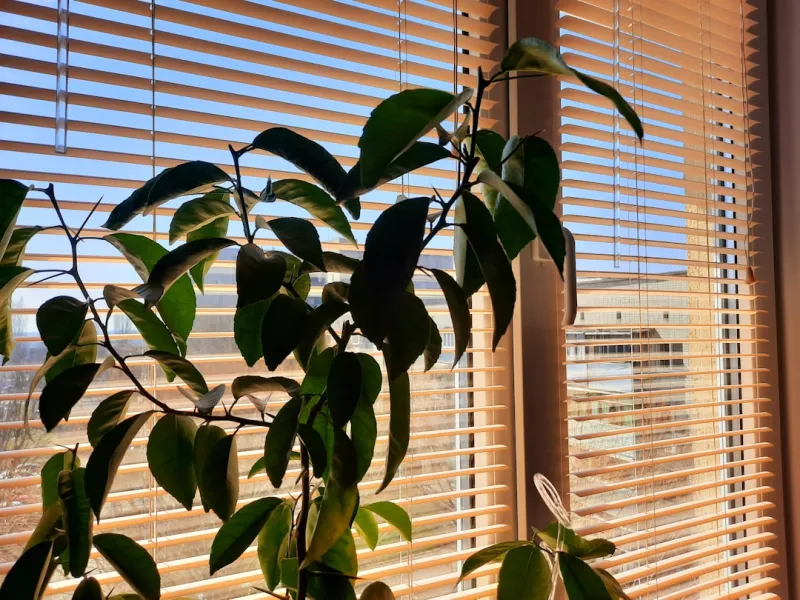
Seeing Light Differently: The Philosophy Behind Modern Window Treatments
When I first stepped into a sun‑filled loft, I realized that window treatments are more than decorative curtains; they are the first line of defense against wasteful energy loss. In my experience, a well‑chosen blind or shade can cut heating bills by up to 30 % while framing a view that feels both intimate and expansive. The key is to treat each pane as a living interface—one that responds to the climate, the occupants’ habits, and the building’s aesthetic DNA, turning ordinary glass into an active participant in sustainability.
Materials that Matter: Sustainable Fabrics and Smart Technologies
Choosing the right material is where the magic begins, and today’s market offers a cornucopia of eco‑friendly options, from organic linen to recycled polyester blends that mimic the texture of traditional fabrics without the environmental baggage. I’m especially drawn to thermal‑insulated cellular shades that trap air in tiny pockets, acting like a thermal blanket for your windows. Pair these with motorized systems powered by solar‑derived electricity, and you have a solution that not only looks sleek but also aligns with green building standards.
Design Strategies for Energy Efficiency
Strategic placement of treatments can dramatically influence a home’s thermal envelope; for example, top‑mounted shades that block high summer sun while allowing winter low‑angle rays to penetrate keep indoor temperatures balanced year‑round. Layering—using a sheer voile behind a blackout panel—provides flexibility, letting you dial in natural light on bright mornings and privacy after dusk. By integrating these tactics with the building’s orientation, you essentially create a passive climate control system that works hand‑in‑hand with your HVAC.
Integrating Window Treatments with Smart Home Systems
Smart home tech is no longer a futuristic gimmick; it’s an essential tool for optimizing energy usage. I recently installed a voice‑activated shade controller that syncs with sunrise and sunset schedules, automatically lowering blinds during peak heat and raising them at night to release stored warmth. This seamless coordination not only reduces your carbon footprint but also offers a convenience factor that traditional manual options can’t match. For readers interested in broader automation, see my guide on Smart Home Alarm Systems: Security Meets Sustainability for an integrated approach.
Maintenance Made Simple: Long‑Lasting Care
Durability is a cornerstone of any sustainable design, and the best window treatments are engineered for easy upkeep. Many modern fabrics are treated with antimicrobial finishes that resist dust and allergens, meaning a quick vacuum or a gentle wipe restores their brilliance without harsh chemicals. Motorized tracks, too, benefit from regular lubrication and firmware updates, ensuring smooth operation for decades. A small investment in routine care pays off handsomely by extending the life cycle of your assets, reducing the need for premature replacement.
DIY Upgrades Without Compromise
For the hands‑on homeowner, small upgrades can yield outsized results. Swapping out standard cords for cordless, battery‑powered operators eliminates tripping hazards and aligns with a cleaner aesthetic. Adding reflective backings to existing shades enhances their insulating properties without altering the visual design. I often reference Handyman Hacks: Sustainable Fixes Every Homeowner Should Know for step‑by‑step instructions that keep projects both affordable and environmentally responsible.
Case Study: From Drab to Dramatic in a Sustainable Home
One recent renovation involved a mid‑century ranch with leaky, outdated curtains that let in drafts and glare. By installing insulated bamboo blinds combined with motorized controls, the homeowner reported a 22 % reduction in utility costs within the first month. The natural bamboo added a warm, organic texture that complemented the home’s vintage charm, proving that sustainability and style need not be mutually exclusive. The project also highlighted how thoughtful window treatment choices can become a focal point in a room’s design narrative.
The Financial Upside: ROI and Property Value
Beyond the immediate energy savings, premium window treatments can boost a property’s market appeal, especially as buyers prioritize green features. Studies show that homes with high‑performance shading systems command up to 5 % higher resale values, reflecting consumer awareness of long‑term cost efficiencies. Additionally, many green mortgage programs offer incentives for installing energy‑saving fixtures, turning a modest upfront expense into a financially savvy investment.
Future Trends: Adaptive, Responsive, and Eco‑Conscious
The next wave of window treatments will likely be driven by responsive materials that adjust opacity in real time based on solar intensity. Imagine electrochromic glass paired with AI‑trained blinds that anticipate weather shifts and pre‑emptively modulate light levels. Such innovations promise to blur the line between architecture and technology, delivering spaces that are both comfortable and carbon‑light. Staying ahead of these trends means keeping an eye on emerging standards and being willing to retrofit as new solutions become viable.
Final Thoughts: Choosing Style That Serves the Planet
In the end, the best window treatments are those that honor both aesthetics and ecology, turning everyday function into a statement of intent. Whether you opt for sleek motorized shades, handcrafted organic fabrics, or a hybrid of both, remember that each choice contributes to a larger narrative of responsible living. Embrace the opportunity to let light in, keep heat where it belongs, and showcase a design that reflects a commitment to a healthier planet.

Lifan Chen is a freelancer based in Toronto specializing in marketing. With expertise in crafting effective marketing strategies and campaigns, Lifan helps businesses grow their brand presence and reach target audiences. As a Toronto-based freelancer, Lifan combines local market insights with creative marketing skills to deliver tailored solutions for clients.
Related Posts
Transforming Light: The Latest Window Treatment Trends for a Sustainable Home
Explore how modern window treatments merge design, technology, and sustainability, offering smarter ... Read More
Seeing the Future Through the Frame: Modern Window Treatments Redefined
A deep dive into how smart, sustainable, and health‑centric window treatments are reshaping interi... Read More
Smart Window Treatments: Light, Privacy, and Energy Mastery
A comprehensive guide on choosing, installing, and maintaining window treatments that balance light,... Read More
Top Posts

The Strategic ROI of Proactive Carpet Care: Extending Life, Boosting Performance, and Driving Sustainability
Explore how a proactive, data‑driven carpet‑care program can extend asset life, enhance acoustic performance, and align with ESG targets, turning routine cl...Read More
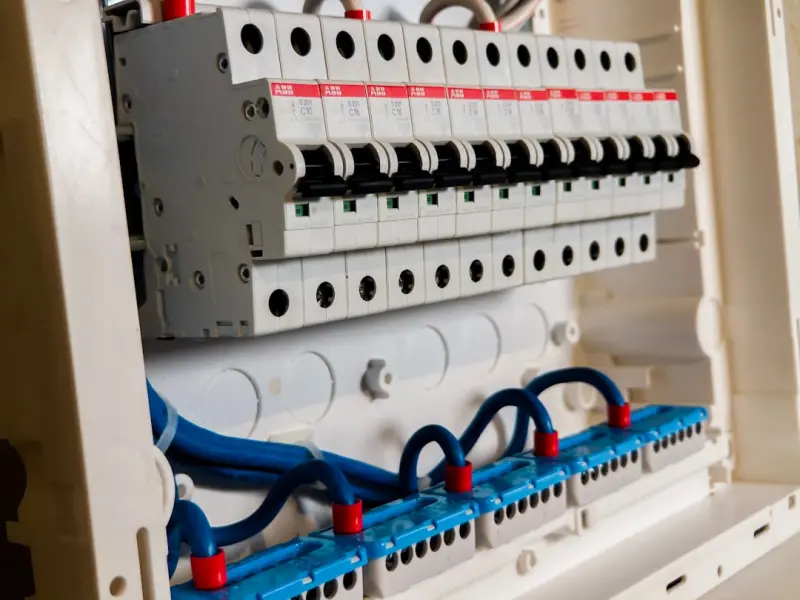
Powering the Future Home: Adaptive Electrical Panels and On‑Demand Energy Management
Adaptive electrical panels transform traditional breaker boxes into intelligent energy managers, enabling real‑time monitoring, load shifting, and seamless in...Read More

Cultivating Calm: How Intentional Tree Care Boosts Workplace Well‑Being
A mindful approach to tree care transforms office spaces into calming, collaborative environments, linking employee wellbeing with sustainable, thriving green c...Read More
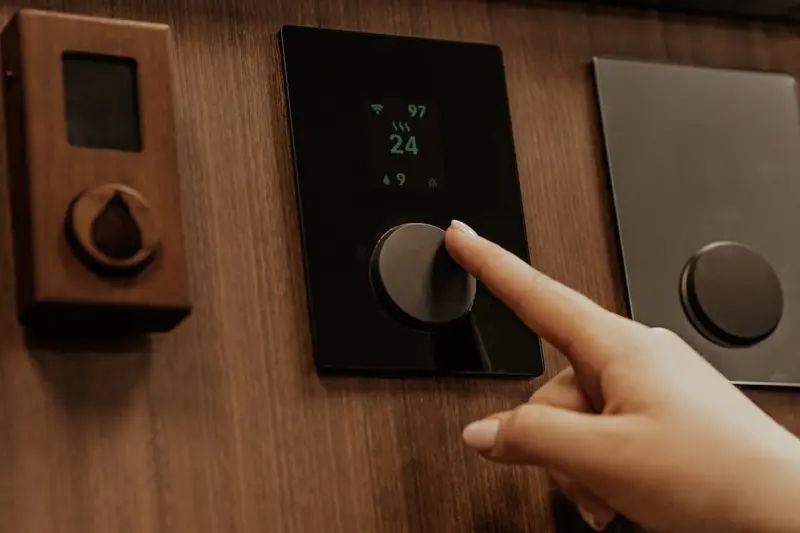
Predictive HVAC: Turning Climate Control into a Competitive Advantage
Predictive HVAC shifts climate control from reactive fixes to data‑driven optimization, delivering lower costs, healthier indoor air, and a sustainability edg...Read More
0 Comments
Post Comment
You will need to Login or Register to comment on this post!