
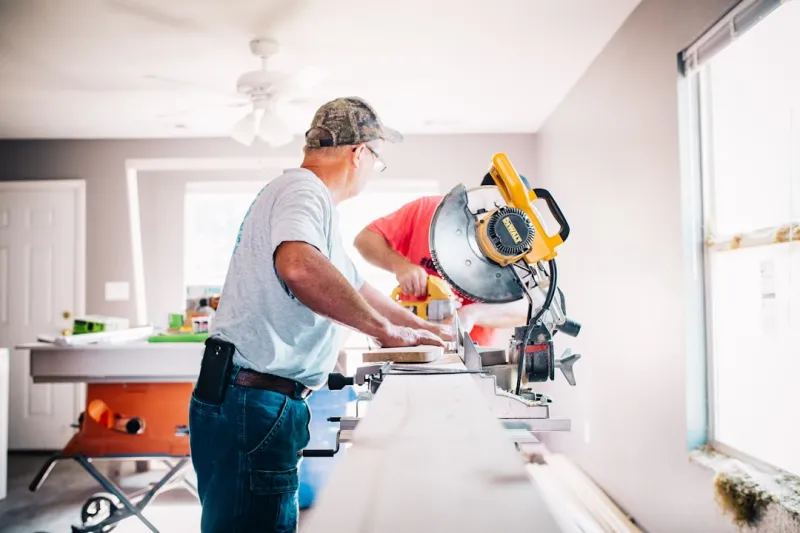
Every homeowner eventually faces that moment when a squeaky hinge, a leaky faucet, or a cracked tile becomes the silent alarm demanding attention. As a seasoned handyman, I’ve learned that the true value of a fix isn’t just in the immediate repair, but in how it supports the home’s long‑term health and the planet’s wellbeing. By treating each job as an opportunity to embed durability, energy savings, and minimal waste, we turn ordinary chores into sustainable upgrades that pay dividends for years to come, all while keeping the client’s budget happy.
Why Sustainability Matters for Handymen
In the world of home maintenance, the term “green” often conjures images of solar panels or high‑tech HVAC systems, but the reality begins at the toolbox. Choosing low‑VOC paints, recycled‑content fasteners, and refillable sealants reduces chemical runoff and landfill waste, creating a healthier indoor environment for families. Moreover, a commitment to sustainable practices differentiates a handyman in a crowded market, fostering trust and repeat business from eco‑conscious clients who appreciate the extra mile.
When I first started integrating sustainability into my daily workflow, I turned to resources that spoke my language. The article Handyman Hacks for Sustainable Home Fixes became a blueprint, offering practical steps like re‑using old hardware, opting for water‑efficient fixtures, and selecting modular components that simplify future repairs. By adopting these simple yet powerful habits, I’ve cut material costs by up to 15 % while delivering results that feel responsible and resilient.
Beyond cost savings, sustainable fixes also translate into tangible health benefits for occupants. Replacing lead‑based solder with lead‑free alternatives, sealing drafts with eco‑friendly caulk, and installing low‑emission lighting improve indoor air quality, reducing the risk of allergies and respiratory issues. These improvements, though subtle, resonate deeply with clients who notice cleaner air, steadier temperatures, and fewer drafts, reinforcing the handyman’s reputation as a steward of both home and health.
Tools and Techniques That Cut Waste
Modern handymen have a growing arsenal of tools designed to minimize waste while maximizing efficiency. Battery‑powered drills with rapid‑charge capabilities, for instance, cut down on disposable batteries and provide consistent power for longer jobs. Pairing such tools with a systematic approach—like measuring twice, cutting once—ensures that each material is used to its fullest potential, avoiding the costly surplus that often ends up in the trash.
Plumbing repairs, a common source of water waste, benefit from the insights shared in The Sustainable Plumber’s Playbook. By installing aerated faucet heads, employing push‑fit connectors that eliminate solder, and using leak‑detecting sensors, we not only conserve gallons but also reduce the need for future emergency calls. These upgrades, while modest in price, can slash household water usage by up to 30 %, delivering immediate savings on utility bills and long‑term environmental impact.
Insulation is another arena where a handyman can make a profound difference. The guidance offered in The Insider’s Guide to Insulation emphasizes the value of spray‑foam alternatives, recycled denim batts, and cellulose solutions that trap air without off‑gassing harmful chemicals. Properly installed, these materials can raise a home’s energy efficiency rating, lowering heating and cooling demands and delivering a comfort boost that homeowners notice instantly.
Building Trust Through Green Practices
Clients today expect transparency, especially when it comes to the environmental footprint of a repair. Providing a brief rundown of the sustainable choices made—such as “this sealant is 100 % low‑VOC” or “the faucet we installed is WaterSense certified”—creates a narrative that the homeowner can share, turning a simple fix into a point of pride. This openness not only builds trust but also encourages word‑of‑mouth referrals, a vital source of new business in the handyman community.
Effective communication also involves educating homeowners on maintenance routines that preserve the sustainability of the initial fix. Simple actions like regular filter changes, scheduled drip‑irrigation checks, and periodic caulking inspections keep the home operating at peak efficiency and extend the life of installed components. Offering a printed checklist or a quick digital guide reinforces the handyman’s role as a partner in the home’s ongoing health, rather than a one‑time problem‑solver.
Looking ahead, the handyman industry is poised to embrace even more eco‑innovations, from biodegradable adhesive tapes to smart‑sensor‑driven leak detection. By staying informed through resources like the Sustainable General Contracting series, we can anticipate client needs and propose forward‑thinking solutions before issues arise. This proactive stance not only future‑proofs homes but also solidifies the handyman’s reputation as a forward‑looking professional ready to meet the evolving expectations of a greener market.

Lifan Chen is a freelancer based in Toronto specializing in marketing. With expertise in crafting effective marketing strategies and campaigns, Lifan helps businesses grow their brand presence and reach target audiences. As a Toronto-based freelancer, Lifan combines local market insights with creative marketing skills to deliver tailored solutions for clients.
Related Posts

Handyman Services Go Subscription & Remote Diagnostics
This article explores three emerging trends—subscription models, remote AR diagnostics, and upcycl... Read More
From Wrenches to Wins: A Handyman’s Blueprint for Consistent Profit
Learn how to transform everyday repairs into a thriving side hustle with a streamlined toolkit, accu... Read More
Embracing Sustainable Home Improvements: A Handyman's Perspective
Learn how to make your home improvements more sustainable with expert tips from a seasoned handyman.... Read More
Top Posts
When Countertops Become Smart: Designing the Interactive Work Surface of Tomorrow
Countertops are evolving from passive slabs to interactive platforms that integrate sensors, wireless charging, and AI-driven feedback, offering a sustainable, ...Read More

Why Power‑over‑Ethernet Is the Unsung Hero of Modern Building Intelligence
Power‑over‑Ethernet merges power and data in a single cable, cutting costs and simplifying installations while providing a data‑rich platform for AI, digi...Read More
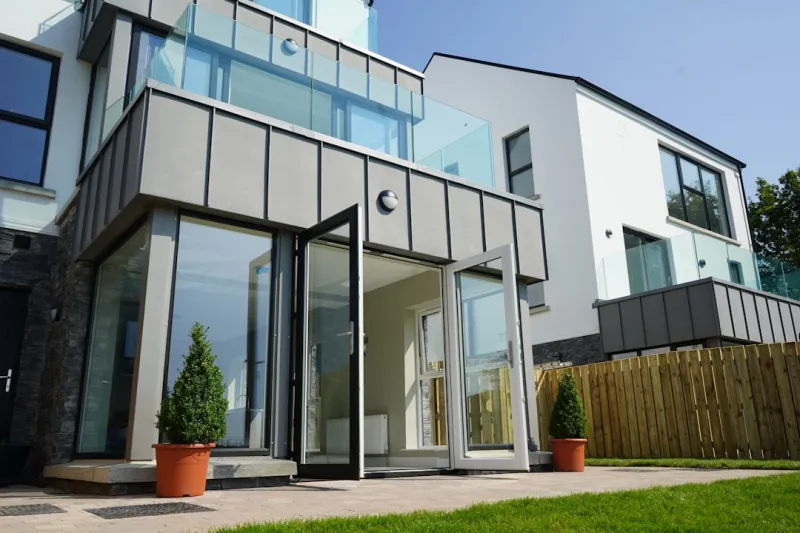
The Evolution of Sustainable Windows and Doors
Sustainable windows and doors are revolutionizing the world of home design. Learn how eco-friendly practices are reducing energy consumption, improving air qual...Read More

Shade as Strategy: Transforming Awnings into Smart Building Assets
A modern awning is more than shade—it’s a strategic, data‑driven asset. Learn how intelligent materials, automation, and integration with building systems...Read More
0 Comments
Post Comment
You will need to Login or Register to comment on this post!