
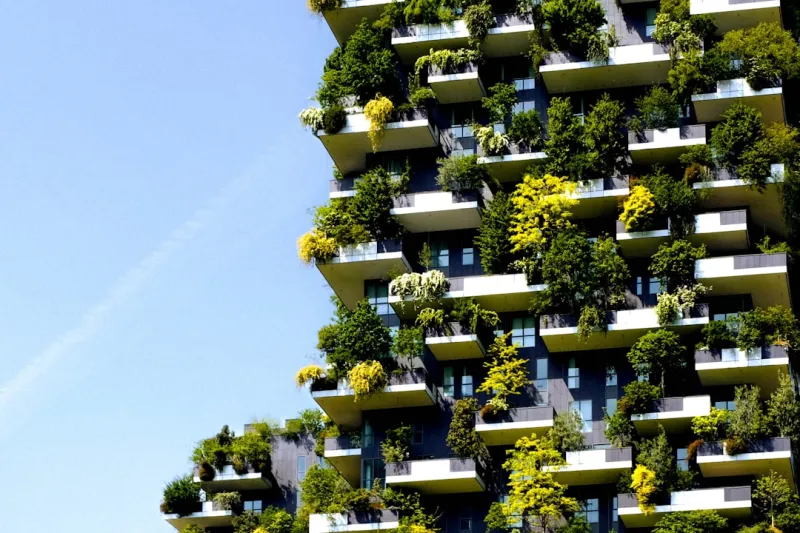
The Future of Design Build: A Sustainable Perspective
As a design build professional, I, Rose DesRochers, have witnessed firsthand the evolution of the industry towards sustainability. The traditional approach to construction, which prioritizes functionality and aesthetics over environmental concerns, is slowly giving way to a more eco-friendly model. In this article, I will explore the role of sustainable practices in design build and highlight some of the innovative solutions that are transforming the industry.
The design build process involves a collaborative approach to construction, where architects, engineers, and contractors work together to deliver a project. This integrated approach allows for greater efficiency and creativity, making it an ideal framework for incorporating sustainable practices. Sustainability is no longer a buzzword, but a necessity in the construction industry. With the built environment accounting for nearly 40% of global carbon emissions, it is imperative that we adopt eco-friendly solutions to reduce our impact on the planet.
The Rise of Sustainable Materials
One of the most significant trends in design build is the increasing use of sustainable materials. These materials are sourced, processed, and manufactured with minimal environmental impact, reducing the carbon footprint of construction projects. For instance, reclaimed wood, bamboo, and low-carbon concrete are becoming popular alternatives to traditional building materials. Not only do these materials reduce waste and emissions, but they also offer unique aesthetic and functional benefits.
In addition to sustainable materials, sustainable roofing solutions are also gaining traction. Green roofs, solar panels, and cool roofing materials are just a few examples of the innovative solutions being used to reduce energy consumption and mitigate the urban heat island effect. As design build professionals, it is essential that we stay up-to-date with the latest developments in sustainable materials and technologies.
The Importance of Energy Efficiency
Energy efficiency is another critical aspect of sustainable design build. By incorporating energy-efficient systems and appliances, we can significantly reduce the energy consumption of buildings. This not only reduces greenhouse gas emissions but also saves building owners and occupants money on their energy bills. Some of the most effective energy-efficient solutions include LED lighting, high-performance insulation, and renewable energy systems.
In my experience, sustainable home additions offer a unique opportunity to integrate energy-efficient solutions into existing buildings. By incorporating green building principles and materials, we can create seamless transitions between old and new, while reducing the environmental impact of construction.
The Role of Sustainable Practices in Design Build
Sustainable practices are no longer a niche consideration in design build; they are a fundamental aspect of the process. From sustainable site selection to waste reduction and recycling, there are numerous opportunities to reduce the environmental impact of construction projects. As design build professionals, it is our responsibility to prioritize sustainability and push the boundaries of what is possible.
One of the most effective ways to promote sustainability in design build is through collaboration and education. By working together with clients, architects, engineers, and contractors, we can create buildings that are not only sustainable but also functional and beautiful. Moreover, by educating clients and stakeholders about the benefits of sustainable design build, we can drive demand for eco-friendly solutions and create a more sustainable future.
The Future of Design Build: A Sustainable Outlook
The future of design build is undoubtedly sustainable. As the construction industry continues to evolve, we can expect to see even more innovative solutions emerge. From net-zero energy buildings to green infrastructure, the possibilities are endless. As design build professionals, it is our responsibility to stay ahead of the curve and push the boundaries of what is possible.
In conclusion, sustainable practices are revolutionizing the design build industry. By incorporating eco-friendly materials, energy-efficient systems, and sustainable practices, we can create buildings that are not only sustainable but also functional and beautiful. As we look to the future, it is clear that sustainability will play an increasingly important role in design build. I am excited to see where this journey takes us and how we can continue to innovate and push the boundaries of sustainable design build.
Conclusion and Call to Action
As a design build professional, I encourage my colleagues and clients to join me on this journey towards sustainability. By working together, we can create a more sustainable future for the built environment. If you are interested in learning more about sustainable design build and how to incorporate eco-friendly solutions into your projects, I invite you to explore the resources available on our website. Together, we can create a more sustainable future for generations to come.
Some of the key takeaways from this article include:
- The importance of sustainable materials and energy-efficient systems in design build
- The role of collaboration and education in promoting sustainability
- The need for design build professionals to stay up-to-date with the latest developments in sustainable materials and technologies
For further reading, I recommend checking out The Future of Design Build: How Sustainable Practices Are Revolutionizing the Industry and Embracing Sustainable Home Improvements: A Comprehensive Guide. These resources offer valuable insights and practical advice for design build professionals looking to incorporate sustainable practices into their work.
By prioritizing sustainability and pushing the boundaries of what is possible, we can create a more eco-friendly and resilient built environment. I look forward to continuing this conversation and exploring the possibilities of sustainable design build.

When it comes to the world of blogging and writing, Rose DesRochers is a name that stands out. Her passion for creating quality content and connecting with her audience has made her a trusted voice in the industry. Aside from her skills as a writer and blogger, Rose is also known for her compassionate nature.
Related Posts
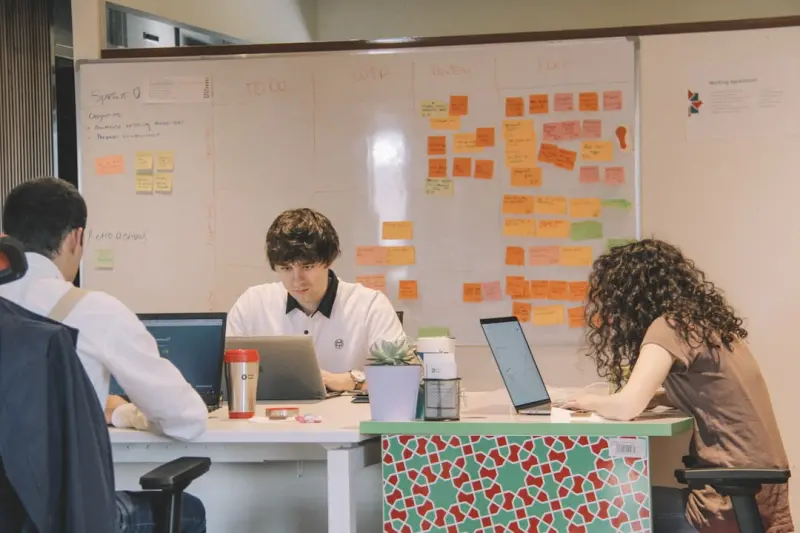
Design‑Build Micro‑Workspaces for Agile Offices
This article outlines a fresh design‑build strategy that uses modular pods, embedded IoT, and agil... Read More
Design‑Build Fusion: Harnessing Real‑Time 3D Digital Twins to Accelerate Projects
Real‑time 3D digital twins are revolutionizing design‑build by providing instant feedback, risk ... Read More
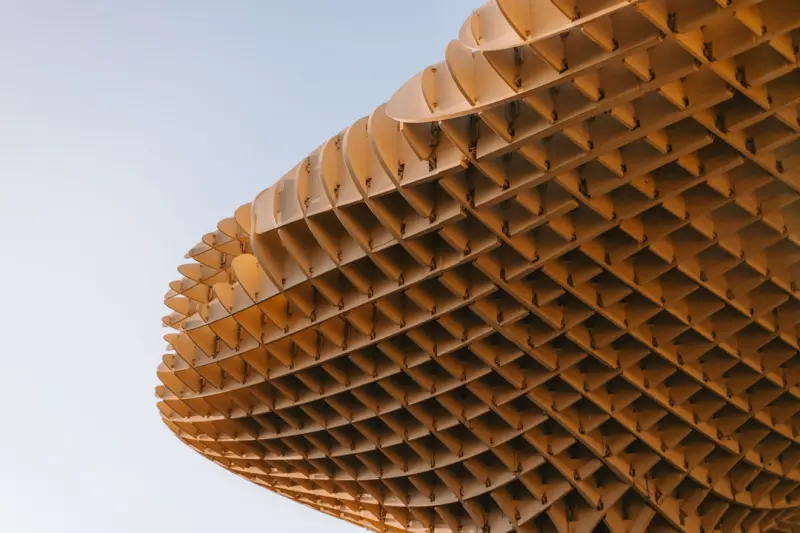
Parametric Design‑Build: Speed, Sustainability, Collaboration
Parametric design injects data‑driven agility into design‑build, letting teams iterate faster, c... Read More
Top Posts

Intelligent Masonry: Building Smarter Walls
Masonry is transitioning from a traditional, static material to a dynamic, data‑enabled building component. By embedding sensors, using low‑carbon bricks, a...Read More
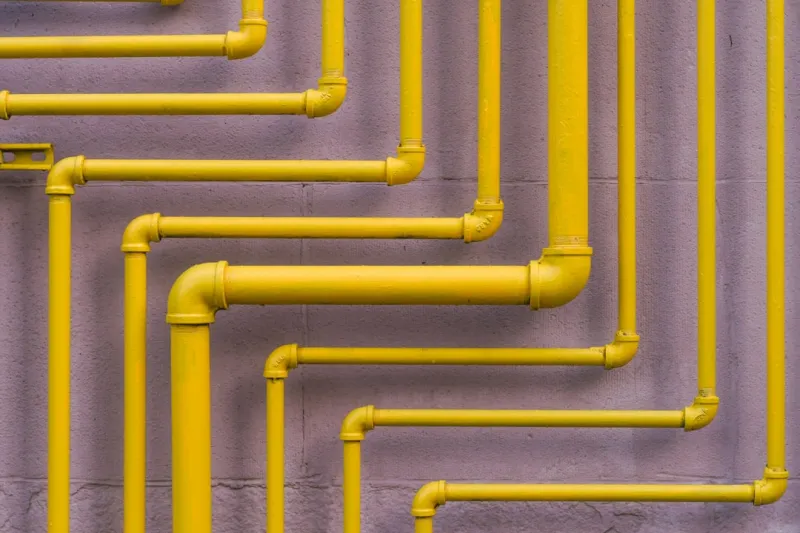
The Intersection of Plumbing and Sustainable Home Restoration
Plumbing plays a critical role in sustainable home restoration. Learn how to adopt eco-friendly plumbing solutions, conserve water, and reduce energy consumptio...Read More

The Hidden World of Carpet Cleaning: A Comprehensive Guide
Learn about the often-overlooked world of carpet cleaning and its critical role in maintaining indoor air quality and household hygiene....Read More
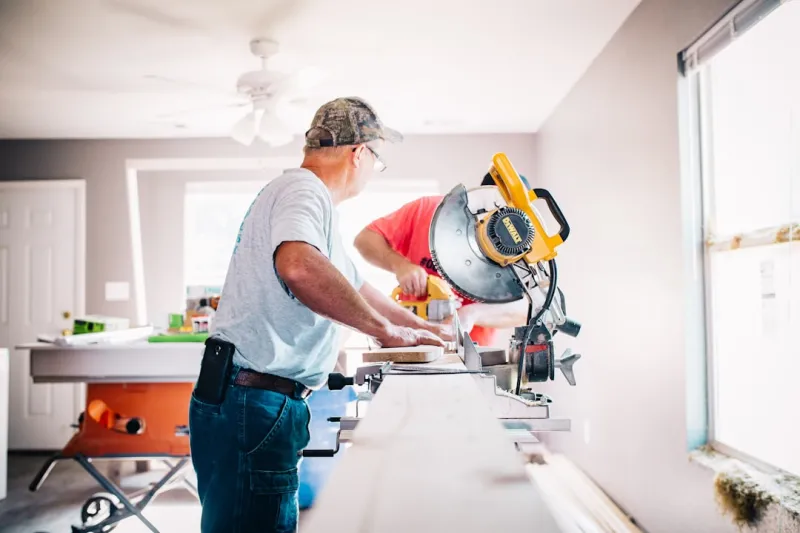
The Importance of General Contracting in Home Restoration
General contracting plays a vital role in home restoration, encompassing a wide range of services that help homeowners achieve their renovation goals. Learn mor...Read More
0 Comments
Post Comment
You will need to Login or Register to comment on this post!