

Sustainable Woodworking: How to Create Beautiful Pieces while Reducing Waste
As a woodworking enthusiast, I've always been passionate about creating beautiful pieces that not only bring joy to those who use them but also minimize harm to the environment. In recent years, I've become increasingly interested in sustainable woodworking practices that reduce waste and promote eco-friendliness. In this article, I'll share my journey towards sustainable woodworking and provide tips on how to create stunning pieces while reducing waste.
Woodworking has long been a beloved hobby and profession, but it can also be a significant contributor to waste and environmental degradation. The production of wood products requires massive amounts of energy, water, and raw materials, resulting in greenhouse gas emissions, deforestation, and pollution. However, by adopting sustainable woodworking practices, we can significantly reduce our environmental footprint and create beautiful pieces that tell a story.
The Importance of Sustainable Sourcing
One of the most critical aspects of sustainable woodworking is sourcing materials responsibly. This means choosing wood that is certified by organizations such as the Forest Stewardship Council (FSC) or the Programme for the Endorsement of Forest Certification (PEFC). These organizations ensure that wood is harvested from forests that are managed sustainably, and that the rights of local communities and workers are respected. I always try to source my materials from local suppliers who share my commitment to sustainability.
In addition to sustainable sourcing, it's also essential to consider the type of wood you're using. Some types of wood, such as reclaimed or salvaged wood, can be a great option for sustainable woodworking. Not only does it reduce waste, but it also adds character and history to your pieces. For example, I once created a beautiful coffee table using reclaimed oak wood from an old barn. The result was stunning, and it told a story of its own.
Reducing Waste in the Workshop
Another crucial aspect of sustainable woodworking is reducing waste in the workshop. This can be achieved by planning your projects carefully, using every scrap of wood, and repurposing materials whenever possible. For instance, you can use wood offcuts to create smaller projects like birdhouses, picture frames, or coasters. I also try to use eco-friendly finishes and adhesives that are free from harsh chemicals and toxins.
To take it a step further, consider implementing a zero-waste policy in your workshop. This means finding creative ways to use every scrap of wood, and making sure that nothing goes to waste. You can also consider partnering with local businesses or organizations to collect and recycle wood waste. By working together, we can make a significant impact on reducing waste and promoting sustainability.
The Benefits of Sustainable Woodworking
So, what are the benefits of sustainable woodworking? For one, it allows us to create beautiful pieces that not only bring joy to those who use them but also promote eco-friendliness. Sustainable woodworking also helps to reduce waste, conserve natural resources, and promote environmentally responsible practices. Moreover, sustainable woodworking can be a great way to connect with nature and appreciate the beauty of wood.
In my experience, sustainable woodworking has also helped me to develop a greater appreciation for the materials I work with. By choosing sustainable materials and reducing waste, I've become more mindful of the impact of my projects on the environment. This has led me to create pieces that are not only beautiful but also tell a story of sustainability and eco-friendliness.
Getting Started with Sustainable Woodworking
If you're interested in getting started with sustainable woodworking, here are a few tips to keep in mind. First, start by assessing your current practices and identifying areas for improvement. Consider investing in eco-friendly tools and materials, and look for suppliers who share your commitment to sustainability. You can also find inspiration online or in woodworking communities, and don't be afraid to experiment and try new things.
For example, you can start by checking out some of the sustainable woodworking projects and tutorials on websites like The Spruce Crafts or Woodworking Magazine. You can also join online communities or forums to connect with other sustainable woodworkers and learn from their experiences. Additionally, consider taking a class or workshop to learn new skills and gain hands-on experience with sustainable woodworking.
Sustainable Woodworking in Home Renovation
Sustainable woodworking is not only limited to creating furniture or decorative pieces; it can also be applied to home renovation projects. In fact, sustainable woodworking can play a critical role in reducing waste and promoting eco-friendliness in home renovation. For instance, you can use reclaimed wood for flooring, walls, or ceilings, or choose sustainable materials for your cabinets, countertops, or furniture.
If you're planning a home renovation project, consider incorporating sustainable woodworking practices into your design. This might involve working with a contractor or designer who shares your commitment to sustainability, or choosing materials and products that are certified by organizations such as the FSC or PEFC. By making sustainable choices, you can create a beautiful and eco-friendly home that reflects your values.
Conclusion
In conclusion, sustainable woodworking is a journey that requires commitment, creativity, and passion. By adopting sustainable practices, we can reduce waste, promote eco-friendliness, and create beautiful pieces that tell a story. Whether you're a seasoned woodworker or just starting out, I encourage you to join me on this journey towards sustainable woodworking. Together, we can make a difference and create a more sustainable future for ourselves and future generations.
As I continue on my own journey towards sustainable woodworking, I'm excited to share my experiences and learn from others. If you're interested in learning more about sustainable woodworking, I recommend checking out some of the resources below:
- Breathing New Life into Your Home: Sustainable DIY Repair Tips
- Sustainable Home Restoration: A Greener Future for Your Home
- The Intersection of Lawn Care and Sustainable Living
By working together and sharing our knowledge and experiences, we can create a more sustainable future for ourselves and future generations.

Kelly Reynolds is a dynamic freelance writer hailing from the picturesque landscapes of Alberta. A master of the written word, she juggles her passion for storytelling with the exhilarating chaos of being a mother to five spirited children. With an impressive portfolio that spans various genres, Kelly captivates readers through her engaging blog posts and thought-provoking articles.
Related Posts
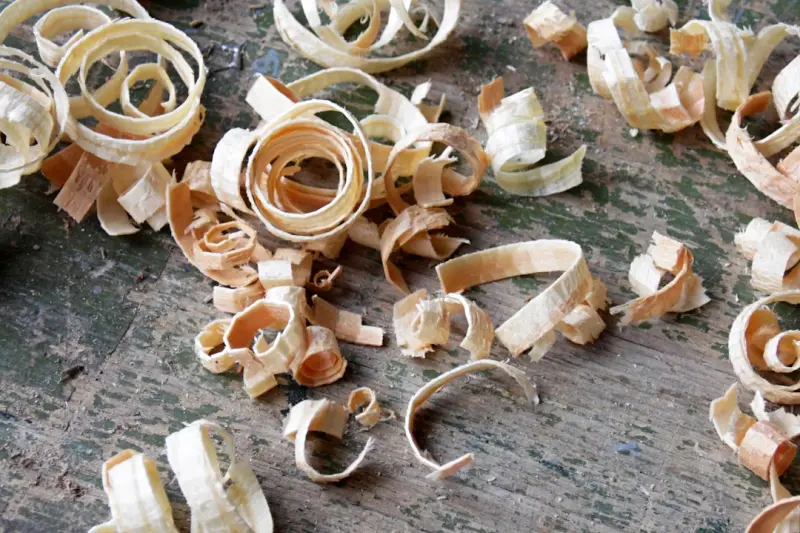
Turning Wood Offcuts into High‑Value Creations
Discover how to transform workshop scrap into profitable, eco‑friendly products. This guide offers... Read More
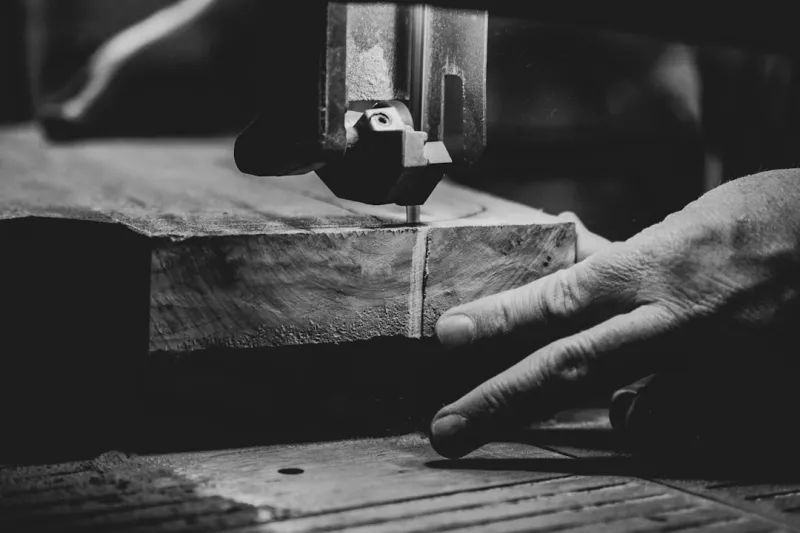
The Intersection of Woodworking and Sustainable Living
Woodworking and sustainable living are closely intertwined. By choosing sustainable materials, minim... Read More
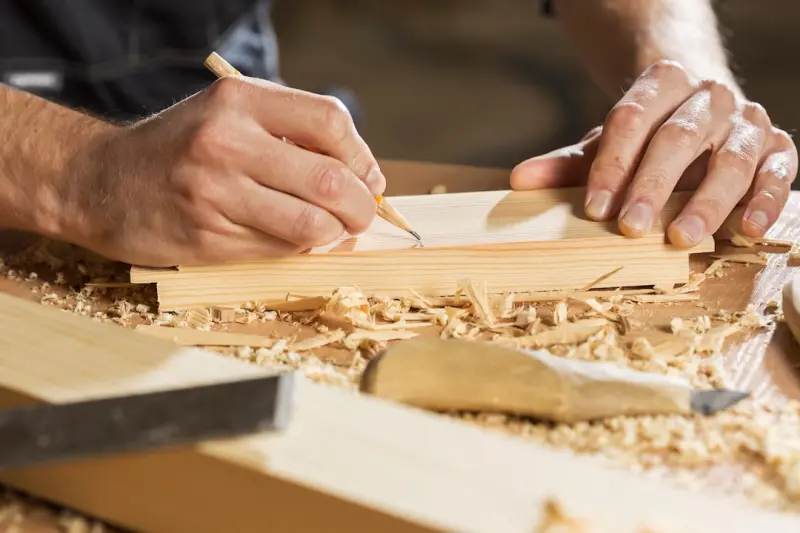
The Art of Sensory Woodworking: Crafting Spaces That Feel as Good as They Look
Discover a fresh approach to woodworking that goes beyond visual appeal—learn to design pieces tha... Read More
Top Posts

Sustainable Bathroom Renovations: A Greener Approach
Sustainable bathroom renovations are an excellent way to reduce your carbon footprint and create a healthier living space. Learn how to create a greener bathroo...Read More

Why a Fresh Bathtub Finish Is the Secret Weapon for Modern Homeowners
A fresh bathtub finish offers a cost‑effective, eco‑friendly upgrade that elevates bathroom aesthetics, boosts home resale value, and creates a canvas for m...Read More

The Art of Sustainable Wallpapering: Trends, Tips, and Transformations
Explore how to choose, install, and maintain sustainable wallpaper, with expert tips that marry design flair and eco‑conscious living, all from a seasoned ren...Read More
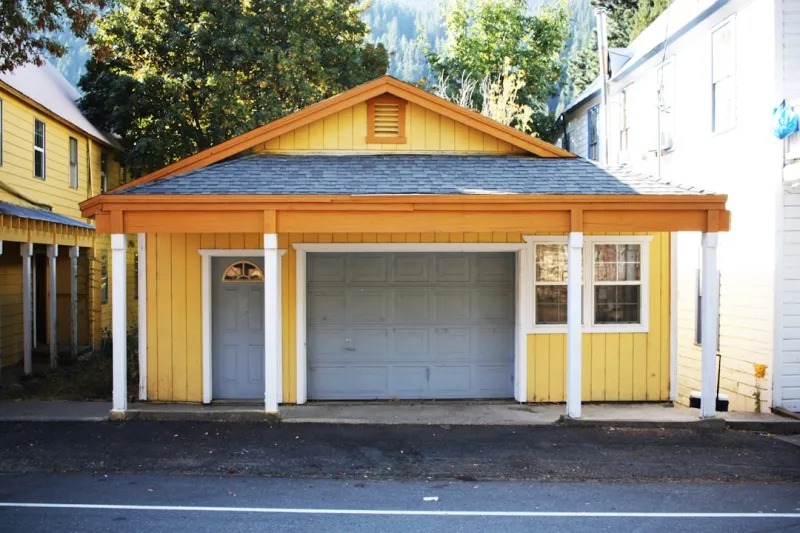
Building the Future: Sustainable Garage Construction Tips from William Roy
Veteran contractor William Roy shares his insider’s guide to constructing a sustainable garage—from eco‑friendly foundations and insulation to smart power...Read More
0 Comments
Post Comment
You will need to Login or Register to comment on this post!