
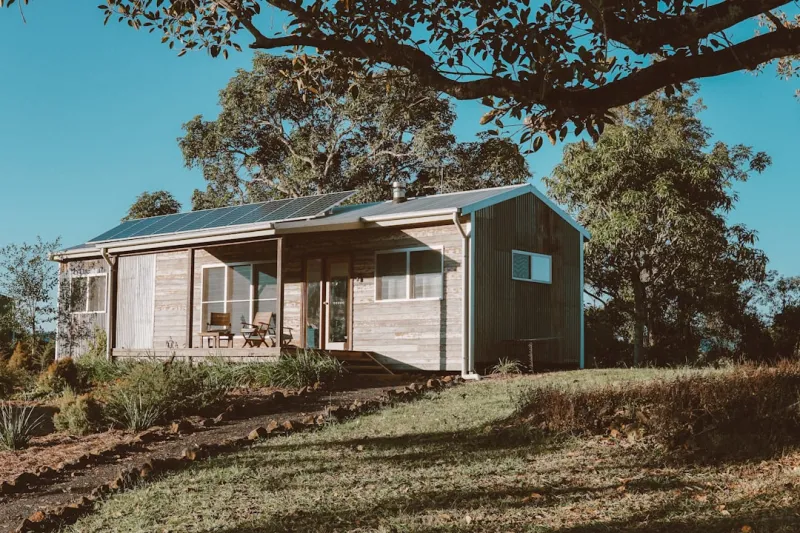
Sustainable Home Restoration: A Greener Future for Your Home
As a homeowner, restoring your home can be a daunting task, especially when considering the environmental impact of your renovation. However, with the rise of sustainable practices and eco-friendly materials, it's now possible to restore your home while also reducing your carbon footprint. In this article, we'll explore the latest trends and innovations in sustainable home restoration, and provide you with practical tips and advice on how to make your home more eco-friendly.
The importance of sustainable home restoration cannot be overstated. Not only can it help reduce your environmental impact, but it can also increase the value of your home and improve your overall quality of life. One of the key areas to focus on is waterproofing. A sustainable approach to waterproofing can help protect your home from water damage, reduce the risk of mold and mildew, and create a healthier living environment. For more information on sustainable waterproofing solutions, check out The Future of Waterproofing: A Sustainable Approach to Protecting Your Home.
The Benefits of Sustainable Home Restoration
Sustainable home restoration offers a range of benefits, from reducing your environmental impact to improving your health and wellbeing. Some of the key benefits include:
- Reduced energy consumption and lower utility bills
- Improved indoor air quality and reduced risk of mold and mildew
- Increased property value and resale value
- Enhanced aesthetic appeal and curb appeal
- Contribution to a more sustainable future for generations to come
Sustainable Materials and Practices
When it comes to sustainable home restoration, the materials and practices you choose can make a big impact. Some popular sustainable materials include:
- Reclaimed wood and salvaged materials
- Low-VOC paints and finishes
- Sustainable flooring options, such as bamboo and cork
- Energy-efficient windows and doors
- Green roofs and living walls
In addition to choosing sustainable materials, it's also important to adopt sustainable practices during the restoration process. This can include:
- Reducing waste and recycling materials
- Using eco-friendly cleaning products and techniques
- Implementing energy-efficient lighting and HVAC systems
- Using sustainable transportation options, such as electric or hybrid vehicles
The Role of Eco-Friendly Wallpapering
Eco-friendly wallpapering is another key area to consider when it comes to sustainable home restoration. Traditional wallpapering methods can have a significant environmental impact, from the production of paper and ink to the waste generated during installation. However, eco-friendly wallpapering options are now available, made from sustainable materials and produced using environmentally friendly techniques. For more information on eco-friendly wallpapering, check out The Rise of Eco-Friendly Wallpapering: A Sustainable Approach to Home Decor.
Sustainable Home Additions
If you're looking to add an extension to your home, consider sustainable home additions. These can include:
- Green roofs and living walls
- Energy-efficient windows and doors
- Sustainable materials, such as reclaimed wood and low-VOC paints
- Rainwater harvesting systems and greywater reuse
Sustainable home additions can not only reduce your environmental impact but also provide a range of practical benefits, from increased living space to improved energy efficiency. For more information on sustainable home additions, check out Embracing Sustainable Home Additions: A Greener Future for Your Home.
The Future of Sustainable Home Restoration
The future of sustainable home restoration is exciting and rapidly evolving. As technology continues to advance and new materials and practices become available, we can expect to see even more innovative and eco-friendly solutions emerge. Some trends to watch include:
- Increased use of recycled and upcycled materials
- Advances in energy-efficient technologies, such as solar panels and geothermal systems
- Growing demand for sustainable and eco-friendly products
- Integration of smart home technologies and automation systems
Conclusion
Sustainable home restoration is a critical step towards creating a greener future for our homes and our planet. By choosing sustainable materials and practices, we can reduce our environmental impact, improve our health and wellbeing, and create a more sustainable future for generations to come. Whether you're looking to restore your home, add an extension, or simply make some eco-friendly changes, there are many options available to you.

Tom Ferguson is a Canadian freelance writer with a passion for storytelling, current events, and thoughtful commentary. Drawing on years of writing experience, he shares engaging insights on a wide range of topics, bringing a uniquely Canadian perspective to his work.
Related Posts
Reviving Original Wood Floors: A Homeowner’s Guide to Timeless Restoration
A step‑by‑step guide to restoring original wood floors, blending historic preservation with mode... Read More

Breathing New Life into Vintage Windows: A Restoration Blueprint
Restoring vintage windows blends heritage preservation with modern performance. This guide walks you... Read More
From Flood to Future‑Proof: A Data‑Driven Blueprint for Home Restoration
Discover a step‑by‑step, data‑driven approach to post‑flood home restoration that blends mod... Read More
Top Posts
Radiant Floor Heating: A Cozy, Sustainable Upgrade for Modern Homes
Explore the hidden benefits of radiant floor heating—from energy savings and design freedom to smart controls and sustainable living—through personal insigh...Read More
The Hidden Value of Adding a Purpose‑Built Flex Wing to Your Home
A purpose‑built flex wing offers a adaptable, sustainable extension that meets today’s needs and evolves with future lifestyle changes, delivering both comf...Read More

Green Snow Removal: Sustainable Strategies for a Cleaner Winter
Learn how to replace toxic salts with greener alternatives, use heat and smart tech, and collaborate with neighbors for a sustainable, hassle‑free winter....Read More
The Untapped Financial Upside of Bathtub Refinishing
Bathtub refinishing offers a low‑cost, quick‑turnaround alternative to replacement, delivering significant ROI, tenant retention benefits, and environmental...Read More
0 Comments
Post Comment
You will need to Login or Register to comment on this post!