
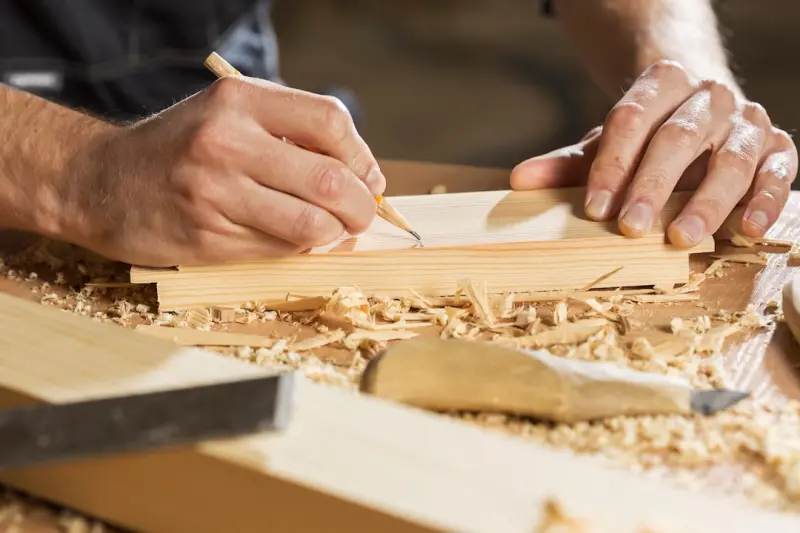
The Art of Sensory Woodworking: Crafting Spaces That Feel as Good as They Look
When I first set foot in a dusty, sun‑dappled workshop, the smell of fresh‑cut pine wrapped around me like a familiar blanket. It wasn’t just the visual appeal of a newly sanded tabletop or the crisp lines of a dovetail joint that captivated me—it was the whole sensory experience. Sensory woodworking is about designing pieces that engage sight, sound, touch, and even scent, turning a simple object into an immersive, comforting encounter.
Over the years, I’ve learned that a well‑crafted wooden object does more than serve a function; it can calm a frazzled mind, invite a lingering pause, or even improve the acoustics of a room. In this article, I’ll share how you can deliberately incorporate the five senses into your next woodworking project, why it matters for modern living, and some practical tips to get you started—whether you’re a hobbyist or a professional craftsman.
Why Sensory Design Matters in a Hyper‑Digital World
We spend a staggering amount of time staring at screens, hearing the buzz of notifications, and moving through spaces that feel interchangeable. Adding a tactile, aromatic, or acoustic layer to a room can serve as a reset button for the nervous system. A hand‑polished walnut desk can become a sanctuary for focused work, while the soft rustle of a wooden panel can mask the clatter of an open‑plan office.
Beyond personal wellbeing, sensory woodworking can also increase the perceived value of a piece. A client who can feel the difference between a cold, mass‑produced laminate surface and a hand‑finished cherry board is more likely to invest in quality craftsmanship. This multisensory premium is a subtle yet powerful differentiator in today’s competitive market.
1. Sight: Color, Grain, and Form
Visual appeal is the most obvious sense we consider, but there’s a depth to it that often gets overlooked. Pay attention to:
- Contrast in grain patterns. Pairing a dramatic, wavy grain with a tighter, smoother grain creates a rhythmic visual narrative.
- Strategic use of stains and finishes. A matte oil can highlight the wood’s natural tones, while a high‑gloss lacquer adds depth and a sense of luxury.
- Proportion and ergonomics. A chair with a slightly reclined back that mirrors the curvature of a coastline can evoke calm simply through its silhouette.
When choosing a finish, think about the environment the piece will inhabit. A piece destined for a bright, sun‑lit kitchen should have a UV‑stable finish to prevent the color from shifting over time. Conversely, a piece for a low‑light reading nook can benefit from a richer, more saturated stain that catches what little light is present.
2. Touch: Texture, Temperature, and Weight
Touch is where wood truly shines. The temperature of a piece—how it feels under the hand after a warm summer day—can be a subtle cue of quality. To optimize touch:
- Sand with purpose. Instead of a uniform sandpaper grit, start with a coarse grit to remove major imperfections, then gradually move to finer grits, ending with a 400‑ or 600‑grit for a silk‑like finish.
- Introduce hand‑rubbed oils. Linseed, tung, or walnut oil penetrates the wood, leaving a subtle, tactile richness that changes with the user’s touch over time.
- Consider weight distribution. A heavy, solid‑core bookshelf can feel grounding, while a lightweight, hollow‑core coffee table might invite a more airy atmosphere.
One trick I love is to finish a surface with a “hand‑rubbing” technique—applying a thin coat of oil, letting it soak, then wiping away excess with a soft cloth. This method leaves a micro‑texture that feels alive under fingertips, creating a quiet, ongoing dialogue between maker and user.
3. Sound: Acoustics and Resonance
Most woodworkers think of sound only in terms of the saw’s roar, but the final product can be an acoustic asset. Here’s how to make your pieces contribute to a pleasant soundscape:
- Choose dense hardwoods for resonance. Maple, oak, or birch can absorb and dampen ambient noise, making a living room feel quieter.
- Incorporate tongue‑and‑groove panels. When fitted tightly, these panels can act as passive acoustic baffles, reducing echo in open spaces.
- Integrate soft, resonant inserts. A thin layer of cork or felt behind a wooden door can mute the impact of a closing latch.
For a hands‑on example, think about a handcrafted wooden bookshelf placed opposite a home office desk. The dense shelves will naturally absorb a portion of the keyboard clicks, creating a quieter environment without the need for expensive acoustic panels.
4. Scent: The Subtle Power of Aromatic Wood
There’s a reason lumberyards are often described as “refreshing” spaces—the aroma of cut wood releases a host of volatile organic compounds that can be soothing. To harness this, consider:
- Select aromatic species. Cedar, sandalwood, and teak have naturally pleasant scents that persist long after finishing.
- Use natural oils. A light rub of essential oil blended with a finishing oil can amplify the wood’s innate fragrance without overwhelming the senses.
- Avoid harsh chemicals. Solvent‑based paints and varnishes can mask or even counteract the wood’s scent.
A simple project: a hand‑carved cedar incense holder. The wood itself releases a faint, calming aroma when heated, and the piece doubles as a decorative element. The sensory payoff is instant—visual, tactile, and olfactory—all in one.
5. The Fifth Sense: Time
While not traditionally listed among the senses, time is a crucial “sense” for wood. Wood ages, darkens, and develops a patina that tells a story. Design pieces that celebrate this evolution:
- Leave some surfaces unfinished. A partially oiled surface will slowly age, creating a living piece that reflects its environment.
- Incorporate reclaimed elements. Mixing new cuts with reclaimed beams introduces a historical depth.
- Design for maintenance. Provide a guide for periodic oiling, so owners can intentionally guide the wood’s aging process.
When a client sees a piece evolve, they form a deeper connection, often becoming brand advocates who share the story of “the table that got richer every summer.”
Bringing the Five Senses to a Real Project: A Step‑by‑Step Walkthrough
Let’s apply these concepts to a single, manageable project: a multifunctional entry bench. The goal is a piece that welcomes guests, offers a place to sit, provides storage, and engages the senses.
- Design Phase
- Sketch a low‑profile bench with a gentle curve that mirrors the curve of an open hand, encouraging a sense of invitation.
- Choose sustainably sourced white oak for its light color (visual), durability (tactile), and subtle grain (acoustic). The oak’s natural scent, especially when lightly oiled, will be a pleasant welcome.
- Material Prep
- Plane the oak slabs to a uniform thickness, then use a hand‑cranked router to add a shallow, decorative groove on the top surface—this creates a tactile variance without overwhelming the visual simplicity.
- Dry‑fit the bench with a hidden compartment beneath the seat, accessed via a discreet latch made from reclaimed walnut. The contrast in wood tones adds a visual surprise.
- Acoustic Considerations
- Line the interior of the storage compartment with a thin cork sheet. This not only softens the sound of items being placed inside but also adds a subtle acoustic filter for the room.
- Finishing Touches
- Apply a light coat of tung oil mixed with a drop of cedar essential oil. The oil penetrates the wood, enhancing the hand feel, while the cedar aroma lingers gently.
- Buff the surface with a soft wool cloth until it achieves a warm satin sheen—a finish that catches the eye without being glossy.
- Installation
- Place the bench near the entry door, aligning it with the natural flow of foot traffic. The bench’s dense oak will absorb some of the hallway noise, creating a quieter entry experience.
This bench exemplifies sensory woodworking: it looks elegant, feels smooth, emits a faint cedar fragrance, softens ambient sounds, and ages beautifully over years. The experience of using it becomes a ritual, reinforcing the idea that good design is a lived, multisensory journey.
Integrating Technology without Losing the Craft
Even as we embrace sensory design, we can still benefit from modern tools that enhance precision. For example, a CNC router can accurately cut intricate joinery, freeing up hand time for the finishing touches that truly engage the senses. However, the key is to use technology as a facilitator, not a replacement for the tactile intimacy that defines woodworking.
If you’re curious about how to blend technology and craft sustainably, check out how building resilient foundations for your workshop space can lower energy costs while providing a stable environment for your tools. Likewise, learning from the circular future approach to furniture restoration can inspire you to source reclaimed wood responsibly and incorporate it into your sensory projects.
Tips for Staying Inspired
- Visit a sawmill or lumberyard. The raw, fresh cut timber carries a scent and visual energy that can spark ideas.
- Listen to the sound of the saw. The whine of a bandsaw or the steady rhythm of a hand plane can be meditative, encouraging a deeper connection to the process.
- Keep a sensory journal. After each project, note the visual, tactile, olfactory, and acoustic qualities that stood out. Over time, you’ll see patterns that guide future designs.
Conclusion: The Future is Sensory
In a world that often prioritizes speed and efficiency over experience, returning to the senses through woodworking offers a quiet rebellion. It invites us to slow down, to listen to the grain, to feel the weight, to breathe the scent, and to appreciate the way a piece of wood ages alongside us. By consciously weaving sight, touch, sound, scent, and time into your projects, you create objects that are not only functional but also emotionally resonant.
So the next time you reach for a piece of pine or a slab of walnut, ask yourself: how will this piece be seen, touched, heard, smelled, and remembered? If you can answer that, you’re already on the path to sensory mastery—a journey where every cut, sand, and polish is a note in a larger, richer composition.

When it comes to the world of blogging and writing, Rose DesRochers is a name that stands out. Her passion for creating quality content and connecting with her audience has made her a trusted voice in the industry. Aside from her skills as a writer and blogger, Rose is also known for her compassionate nature.
Related Posts

Rediscovering Handcrafted Joinery: Why the Needle‑Nose Still Matters
A deep dive into the resurgence of hand‑cut joinery, showing how reclaimed timber, ergonomic works... Read More

When Grain Meets Code: The Rise of Smart Woodworking
Discover the emerging world of smart woodworking, where sensors, AI, and data-driven insights enhanc... Read More

When CNC Meets Handcraft: A New Era for Small‑Shop Woodworkers
This article explores the practical steps for integrating CNC routers into modest woodworking shops,... Read More
Top Posts
Revolutionizing Kitchen Design: The Future of Countertops
The future of countertops is here. Learn how sustainable materials, innovative manufacturing processes, and smart home renovations are transforming kitchen desi...Read More

Unlocking the True Value of Energy Inspections
A deep dive into why energy inspections matter, the tech tools used, and real‑world fixes that turn hidden inefficiencies into lasting savings....Read More

Predictive Maintenance: Turning Property Care into a Strategic Asset
A deep dive into turning property maintenance from reactive repairs into a strategic, data‑driven advantage using sensors, smart contracts, and empowered DIY ...Read More

The Art of Fencing: A Comprehensive Guide to Enhancing Your Outdoor Space
Fencing is an essential aspect of outdoor design, serving both functional and aesthetic purposes. Learn how to select the right fence for your property and crea...Read More
0 Comments
Post Comment
You will need to Login or Register to comment on this post!