
The Untapped Gold in Your Workshop: Turning Offcuts into High‑Value Creations
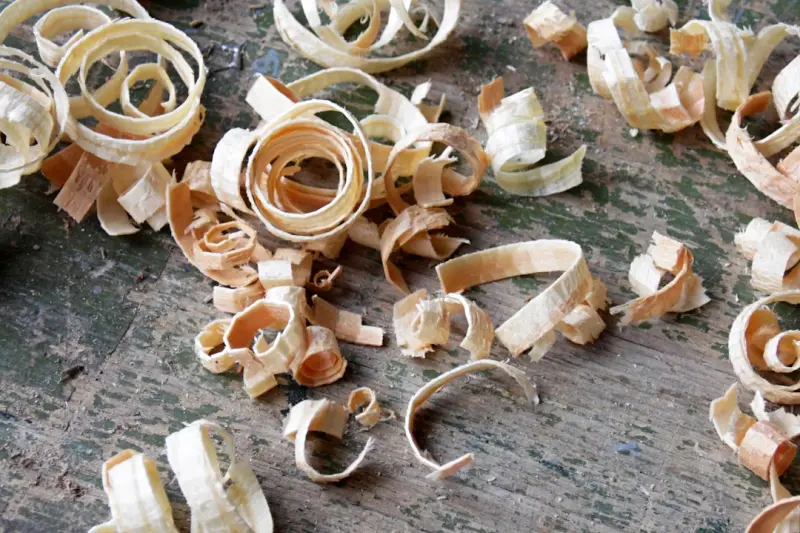
When most people think about woodworking, they picture a flawless slab of walnut or a gleaming pine board ready to become a table. What they often overlook is the mountain of offcuts, shavings, and “scrap” that accumulates on every bench. For many craftsmen, these remnants are a nuisance to be swept away; for a select few, they’re a secret inventory of raw material waiting to be transformed into functional art and additional revenue.
In this piece I’ll walk you through a mindset shift, practical processes, and a sprinkle of technology that can turn those overlooked pieces into marketable products. It’s not about abandoning premium lumber; it’s about extracting every possible ounce of value from the wood you already own, reducing waste, and adding a creative edge that differentiates your shop in a crowded market.
Why Offcuts Deserve a Second Life
There are three core reasons to give your offcuts the attention they deserve:
- Economic upside. Even a small piece of hardwood can command a respectable price when crafted into a thoughtful product—think coasters, jewelry trays, or miniature in‑lay panels.
- Environmental stewardship. The woodworking industry has a long‑standing reputation for waste. By up‑cycling scraps, you shrink your carbon footprint and appeal to eco‑conscious consumers.
- Creative stimulation. Working with limited material forces you to think differently, often leading to innovative designs that wouldn’t emerge from a full‑size board.
But recognizing value is just the first step. The real work lies in systematizing how you harvest, store, and design with these pieces.
Design Thinking Meets the Scrap Bin
One of the most effective ways to integrate offcuts into your product line is to adopt a design‑for‑scrap workflow. Here’s how you can embed it into your daily routine:
- Catalog every cut. As soon as a piece is trimmed, label it with dimensions, species, and grain direction. A simple spreadsheet or a mobile app can do the trick.
- Identify “seed” projects. Keep a running list of small‑scale items you can produce with the dimensions you have on hand—think small‑fix savings method ideas applied to woodworking.
- Design modularly. Create designs that can accommodate variations in size. For instance, a set of nesting bowls can be engineered to accept a range of diameters, letting you use whatever circular offcut is available.
- Prototype fast. Use a cheap CNC or a scroll saw to churn out a quick prototype. The faster you iterate, the sooner you discover whether a design truly works with the scrap at hand.
This approach mirrors the agile methodologies you might find in software or construction, but with a distinctly tactile twist.
Tech Tools for Turning Waste into Worth
Modern workshops have a growing arsenal of tools that make the up‑cycling process both efficient and precise:
- CNC routers. Even a modest 12‑inch CNC can mill intricate in‑lays, signage, or puzzle‑like components from irregular offcuts. The key is to set up a “nesting” strategy in the software that packs pieces tightly, maximizing material usage.
- Laser engravers. A 40‑watt laser can add branding, decorative patterns, or functional information (like QR codes linking to your online store) to tiny wood pieces, turning a plain offcut into a premium product.
- Dust collection & recycling. Instead of discarding sawdust, invest in a small pelletizer. The resulting wood pellets can be sold as fuel for wood‑burning stoves, creating an additional revenue stream.
Technology isn’t a silver bullet, but when combined with a purposeful design mindset, it unlocks possibilities that were previously impractical.
Case Studies: From Sawdust to Sale
Below are three real‑world examples that illustrate how a disciplined offcut strategy can translate into profit.
1. Pocket‑Size Phone Stands
I started a line of minimalist phone stands using 2‑inch wide, 1/8‑inch thick offcuts from a recent batch of maple veneer. By designing a simple interlocking geometry, the stands could be cut from a single scrap piece, eliminating waste entirely. After photographing them on a clean white background and uploading to an online marketplace, each unit began selling for $12. With a material cost of less than $0.50 per piece, the profit margin skyrocketed.
2. Rustic Coaster Sets
From a pile of reclaimed pine pallet wood, I cut 4‑inch squares, sanded them down, and used a laser engraver to etch subtle grain‑highlighting patterns. Because the pallets were already weathered, the natural texture added character without extra finishing steps. A set of four fetched $18 online, and the raw material was essentially free—apart from the labor to disassemble and prep the pallets.
3. Miniature In‑lay Wall Art
One client requested a custom wall piece that could be mounted in a hallway. I sourced thin walnut offcuts (about 1/16‑inch thick) that were left over from a larger table project. Using a CNC to cut intricate geometric patterns, I inlaid the walnut into a light oak background that was also a scrap from the same job. The final piece sold for $250, a price point that would have been impossible if the walnut had been discarded.
These examples share a common thread: they all originated from material that would otherwise have been waste. By treating offcuts as a distinct inventory, you can create a mini‑catalog of “scrap‑based” products that complement your main offerings.
Practical Steps to Start a Scrap Workshop Today
If you’re ready to put theory into practice, follow this checklist:
- Audit your waste. Spend a week documenting every offcut—size, species, and quantity. You’ll likely be surprised by the volume you generate.
- Set up a dedicated storage zone. Use labeled bins or wall‑mounted racks to keep scraps organized by dimensions. Clear labeling speeds up the design phase.
- Create a “scrap‑product” board. Pin up ideas for small items that could be made from existing offcuts. Encourage your team to contribute.
- Invest in a low‑cost CNC or laser. Even a hobbyist‑grade machine can produce professional‑looking results when paired with thoughtful design.
- Launch a pilot line. Choose one or two simple products—coasters, phone stands, or keychains—and market them as “up‑cycled wood” pieces. Highlight the sustainability angle in your copy.
- Track metrics. Measure material saved, revenue generated, and time spent. Use these numbers to refine your process and justify further investment.
Remember, the goal isn’t to replace your core business but to augment it with a side stream that showcases craftsmanship, creativity, and responsibility.
Marketing the Up‑Cycled Narrative
Consumers today are savvy about sustainability, but they also crave authenticity. Your marketing should therefore weave together three pillars:
- Storytelling. Share the journey of each piece—from a discarded offcut to a finished product. A short video of the cutting process can be surprisingly engaging.
- Transparency. Provide details about the wood species, source, and the amount of waste avoided. This builds trust and differentiates you from mass‑produced alternatives.
- Community involvement. Invite customers to suggest new products or submit design ideas that could be made from your current scrap inventory. This crowdsourced approach not only generates fresh concepts but also fosters brand loyalty.
When you align your product narrative with genuine environmental impact, you’ll find a receptive audience willing to pay a premium for the story behind the wood.
Future Horizons: Integrating Digital Platforms
While this article focuses on the hands‑on aspect of up‑cycling, there’s a growing ecosystem of digital tools that can streamline the entire workflow. For example, some workshops integrate inventory software directly with their CNC nesting programs, automatically generating cut‑lists based on current offcut dimensions. Others use e‑commerce platforms that feature “live inventory” of scrap‑based items, updating availability in real time as new offcuts become usable.
If you’re interested in exploring how digital planning can amplify your scrap strategy, consider reading about how creative outdoor outposts are being designed with modular, up‑cycled components. The same principles can be adapted for indoor woodworking projects.
Final Thoughts
The journey from sawdust to sale isn’t just a clever way to boost your bottom line; it’s a statement about the kind of maker you are. By honoring every piece of wood that passes through your hands, you elevate the craft, protect the environment, and open up new channels for creative expression. So next time you sweep the floor, pause and consider: what hidden treasure lies in this pile of offcuts?

Craig Brett is a freelancer with a passion for the outdoors. His love for nature inspires his work, bringing authentic and engaging perspectives to projects related to outdoor activities, adventure, and environmental topics.
Related Posts
Modular Woodworking: Building Flexibility into Your Shop
A deep dive into modular workbench designs, subtle tech integrations, and sustainable sourcing that ... Read More
Reimagining Woodworking: Harnessing Digital Fabrication for Timeless Craft
A deep dive into blending CNC precision with classic joinery, offering practical tips, sustainabilit... Read More
The Hand Plane Revival: Crafting Precision in a Digital Age
Discover how the humble hand plane bridges traditional craftsmanship with modern technology, offerin... Read More
Top Posts

The Evolution of Tiling: How Sustainable Solutions Are Revolutionizing the Industry
The tiling industry is undergoing a significant transformation, driven by the need for sustainable solutions. Learn about the evolution of tiling and how eco-fr...Read More

Winter’s Secret Weapon: Turning Snow Removal into a Sustainable, Community‑Driven Routine
Discover a fresh, sustainable approach to snow removal that blends clever tools, eco‑friendly de‑icing, tech aids, and neighborly teamwork for a smoother, s...Read More

The Intersection of Lawn Care and Sustainable Living
Learn how to adopt sustainable lawn care practices that promote environmental sustainability and create a beautiful outdoor space. Get tips on eco-friendly prod...Read More
Roofing Redefined: Turning Your Building’s Crown into a Smart, Sustainable Asset
Explore the future of roofing as a strategic platform that combines smart sensors, carbon‑negative materials, and solar storage to cut costs, boost property v...Read More
0 Comments
Post Comment
You will need to Login or Register to comment on this post!