

The Art of Furniture Restoration: A Sustainable Approach to Revitalizing Your Home
As a passionate advocate for sustainable living, I'm always on the lookout for innovative ways to breathe new life into old, discarded materials. One of my favorite ways to do this is through furniture restoration. Not only does it reduce waste and conserve resources, but it also allows us to preserve the character and charm of unique, antique pieces. In this article, I'll share my expertise on the art of furniture restoration, and explore some of the most effective ways to give your home a sustainable makeover.
Furniture restoration is more than just a hobby – it's a movement. As consumers become increasingly aware of the environmental impact of fast furniture, they're turning to restoration as a way to reduce their carbon footprint. And it's not just about saving the planet; restoration also offers a chance to create one-of-a-kind pieces that tell a story. Whether you're a seasoned DIY enthusiast or a beginner looking for inspiration, furniture restoration is an accessible and rewarding way to get creative and make a positive impact.
The Benefits of Furniture Restoration
So, why should you consider restoring old furniture instead of buying new? For starters, restoration reduces waste and helps to conserve resources. According to the Environmental Protection Agency (EPA), furniture waste accounts for a staggering 9.5 million tons of municipal solid waste in the United States alone. By restoring old pieces, we can significantly reduce the amount of waste that ends up in landfills. Additionally, restoration allows us to preserve the character and charm of unique, antique pieces that might otherwise be discarded.
Restoration also offers a chance to get creative and experiment with new techniques and materials. Whether you're refinishing a vintage armchair or upcycling an old pallet into a coffee table, the possibilities are endless. And, as an added bonus, restored furniture often has a unique, timeless quality that can't be replicated with mass-produced pieces.
Sustainable Materials and Techniques
When it comes to furniture restoration, the materials and techniques you choose can make a big impact on the environment. Look for sustainable materials like reclaimed wood, bamboo, and low-VOC (volatile organic compound) finishes. These materials not only reduce waste and conserve resources but also promote healthier indoor air quality.
Some popular sustainable techniques include:
- Refinishing: Instead of replacing old finishes, consider refinishing them to give your furniture a fresh new look.
- Upcycling: Get creative with old materials and turn them into something entirely new.
- Repurposing: Think outside the box and find new uses for old furniture pieces.
For more inspiration on sustainable materials and techniques, check out my previous article on sustainable woodworking.
The Intersection of Furniture Restoration and Home Maintenance
Furniture restoration is just one aspect of sustainable home maintenance. By incorporating restoration into your home care routine, you can reduce waste, conserve resources, and create a more eco-friendly living space. For more tips on sustainable home maintenance, check out my article on the evolution of sustainable property maintenance.
Getting Started with Furniture Restoration
If you're new to furniture restoration, don't be intimidated. Start by scouring local thrift stores, garage sales, and online marketplaces for unique pieces to restore. Look for items with interesting shapes, details, or histories – these will often make the most compelling projects.
When evaluating a piece, consider its materials, condition, and potential for restoration. Ask yourself:
- What materials were used to construct the piece?
- What's the overall condition of the piece?
- What kind of restoration work is required to bring it back to life?
Breathing New Life into Old Pieces
Once you've found the perfect piece, it's time to get creative. Start by cleaning and disassembling the piece, then assess what needs to be repaired or replaced. From there, you can begin to envision your restored piece and plan your approach.
Some popular restoration techniques include:
- Sanding and refinishing: Use eco-friendly finishes to give your piece a fresh new look.
- Upholstery: Replace old upholstery with sustainable materials like natural fibers or repurposed fabric.
- Hardware replacement: Update old hardware with sustainable alternatives like repurposed metal or eco-friendly knobs.
For more DIY repair tips, check out my article on breathing new life into your home.
Conclusion
Furniture restoration is a powerful way to reduce waste, conserve resources, and create unique, eco-friendly pieces for your home. By incorporating sustainable materials and techniques into your restoration projects, you can make a positive impact on the environment while also preserving the character and charm of antique pieces. Whether you're a seasoned DIY enthusiast or a beginner looking for inspiration, I hope this article has provided you with the motivation and know-how to get started on your own furniture restoration journey.

William Roy is a freelance writer originally from Montreal who moved to Ottawa with his wife of 50 years to be closer to their grandkids. Alongside his writing, William has a passion for fishing.
Related Posts

The Quiet Revolution: Why Personal Storytelling Is the New Frontier in Furniture Restoration
Explore a fresh perspective on furniture restoration that prioritizes the hidden histories of each p... Read More
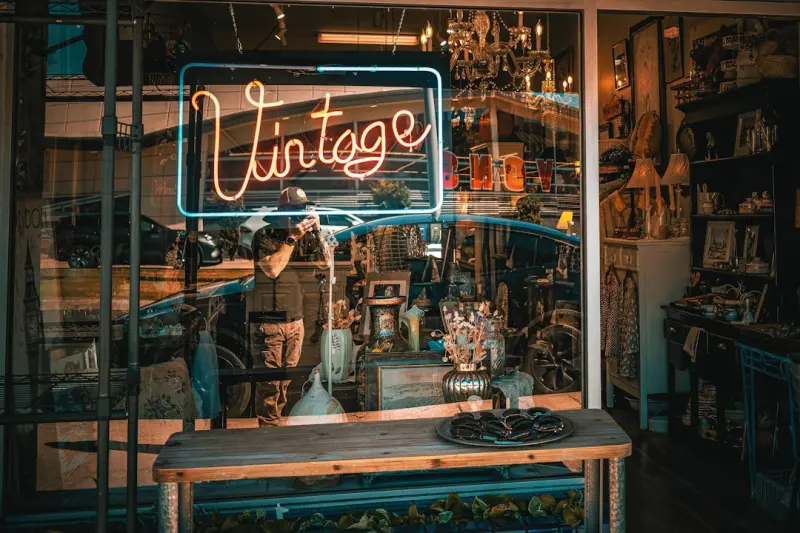
Breathing New Life into Vintage Pieces: A Restorer’s Journey
Explore the art and economics of furniture restoration through a seasoned restorer’s perspective, ... Read More

Breathing New Life Into Vintage Furniture: A Craftsperson’s Roadmap
Explore a comprehensive, eco‑friendly approach to furniture restoration that blends historic craft... Read More
Top Posts
Solar Energy Unleashed: A Homeowner’s Blueprint for Real Savings and Resilience
A practical guide that shows homeowners how to integrate solar panels, storage, and smart tech to slash bills, boost energy independence, and prepare for the re...Read More

Future‑Proof Your Home: Build Flexibility Into Every Square Foot
Discover practical strategies for creating a home that evolves with your lifestyle, using modular layouts, smart zoning, and adaptable materials for lasting fle...Read More
Roofing Reimagined: How Smart Materials Are Turning Your Roof Into a Living Asset
Modern roofs are evolving from passive shields to intelligent platforms that generate energy, regulate climate, and predict maintenance needs, delivering signif...Read More
The Ultimate Renovation Checklist for a Stress‑Free Home Transformation
Discover a comprehensive renovation checklist that guides you from goal setting to final walk‑through, ensuring budget control, smart‑home integration, and ...Read More
0 Comments
Post Comment
You will need to Login or Register to comment on this post!