

Breathe New Life into Old Furniture: The Sustainable Approach to Restoration
As a passionate advocate for sustainable living and furniture restoration, I'm excited to share with you the joys of giving old furniture a new lease on life. Not only does restoration reduce waste and conserve resources, but it also allows us to preserve the character and charm of unique, often antique pieces. In this article, I'll explore the world of sustainable furniture restoration, highlighting eco-friendly practices, and providing tips on how to get started.
Furniture restoration is more than just a hobby; it's a way to promote sustainability and reduce our environmental footprint. By choosing to restore rather than replace, we're reducing the demand for new, resource-intensive furniture. This approach also helps to preserve the history and craftsmanship of older pieces, which might otherwise end up in landfills. As someone who's passionate about sustainable property maintenance, I believe that restoration is an essential part of the equation.
The Benefits of Sustainable Furniture Restoration
So, what are the benefits of sustainable furniture restoration? For starters, it's an eco-friendly way to update your home without contributing to the staggering amounts of waste generated by the furniture industry. According to the Environmental Protection Agency (EPA), furniture waste accounts for a significant portion of municipal solid waste. By restoring old furniture, we're reducing the need for new raw materials, conserving energy, and decreasing greenhouse gas emissions. Additionally, restored furniture often has a unique character that's hard to find in mass-produced pieces.
When it comes to sustainable furniture restoration, there are many eco-friendly practices to explore. One approach is to use eco-friendly materials and finishes, such as natural waxes, plant-based oils, and low-VOC (volatile organic compound) paints. These options not only reduce the environmental impact of the restoration process but also create a healthier indoor environment. For more information on eco-friendly materials and practices, check out The Importance of Sustainable Property Maintenance: A Guide to Eco-Friendly Practices.
Getting Started with Furniture Restoration
If you're new to furniture restoration, don't worry! It's easier than you think to get started. Begin by scouring local thrift stores, estate sales, or online marketplaces for pieces with potential. Look for items made from solid hardwoods, like oak or maple, which are often more durable and long-lasting than modern furniture. When evaluating a piece, consider its condition, functionality, and aesthetic appeal. Ask yourself: Can I repair or replace the damaged parts? Is the piece structurally sound? Does it have a unique feature or design element that I love?
Once you've found the perfect piece, it's time to get creative. Start by cleaning and disassembling the furniture, if necessary. This will help you assess the condition and identify any areas that need attention. From there, you can begin to repair, refinish, or repurpose the piece using eco-friendly materials and techniques. For inspiration and guidance, I recommend checking out Sustainable Woodworking: How Eco-Friendly Practices Are Changing the Game.
The Role of Sustainable Materials in Furniture Restoration
When it comes to sustainable furniture restoration, the materials you choose can make a significant impact. Opt for eco-friendly options like reclaimed wood, bamboo, or sustainably sourced hardwoods. These materials not only reduce waste but also support responsible forestry practices. Additionally, consider using natural finishes, like beeswax or plant-based oils, which are non-toxic and biodegradable. By choosing sustainable materials, you're not only reducing your environmental footprint but also creating a healthier indoor environment.
Embracing Sustainable Closet Organization through Furniture Restoration
Furniture restoration isn't just about individual pieces; it's also about creating a sustainable and organized living space. By restoring old furniture, you can create unique storage solutions, like dressers or bookshelves, that add character to your home. This approach to closet organization is not only eco-friendly but also budget-friendly. For more tips on sustainable closet organization, check out Embracing Sustainable Closet Organization: A Step Towards a Greener Home.
Conclusion
Sustainable furniture restoration is a rewarding and eco-friendly way to update your home. By choosing to restore rather than replace, we're reducing waste, conserving resources, and preserving the character of unique pieces. Whether you're a seasoned restorer or just starting out, I encourage you to explore the world of sustainable furniture restoration. With a little creativity and patience, you can breathe new life into old furniture and create a more sustainable, eco-friendly living space.
Final Tips and Inspiration
As you embark on your furniture restoration journey, remember to have fun and be creative. Don't be afraid to experiment with different materials and techniques. And most importantly, share your experiences and inspire others to join the sustainable furniture restoration movement. Together, we can create a more eco-friendly and sustainable future, one piece of furniture at a time.

Tom Ferguson is a Canadian freelance writer with a passion for storytelling, current events, and thoughtful commentary. Drawing on years of writing experience, he shares engaging insights on a wide range of topics, bringing a uniquely Canadian perspective to his work.
Related Posts
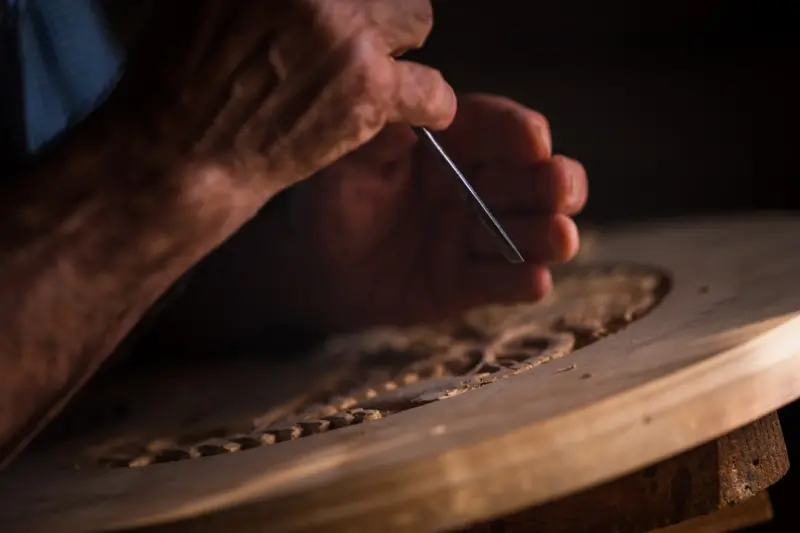
Reimagining Furniture Restoration: Craft Meets Science
A deep dive into merging traditional woodworking skills with modern science, offering step‑by‑st... Read More

Breathing New Life Into Old Furniture: A Craftsman’s Journey
A seasoned craftsman shares his step‑by‑step process for breathing new life into heirloom furnit... Read More
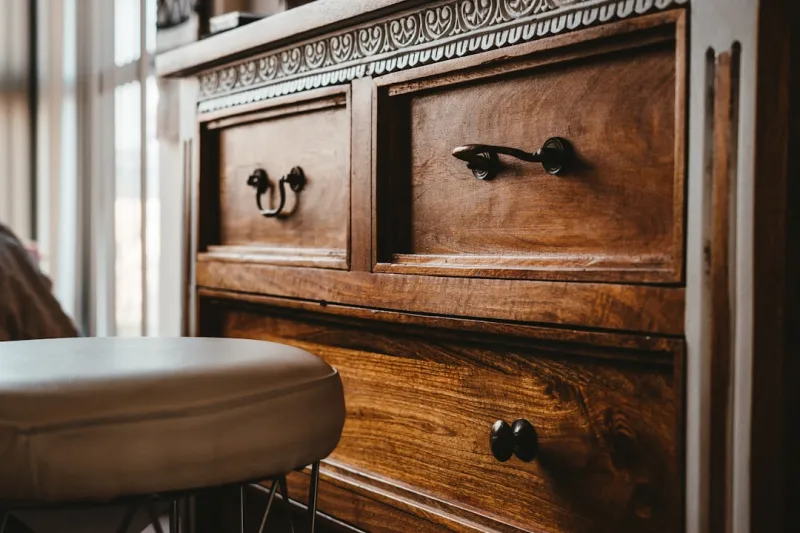
The Sustainable Revival of Furniture Restoration
Furniture restoration is an art form that requires patience, skill, and a deep understanding of mate... Read More
Top Posts
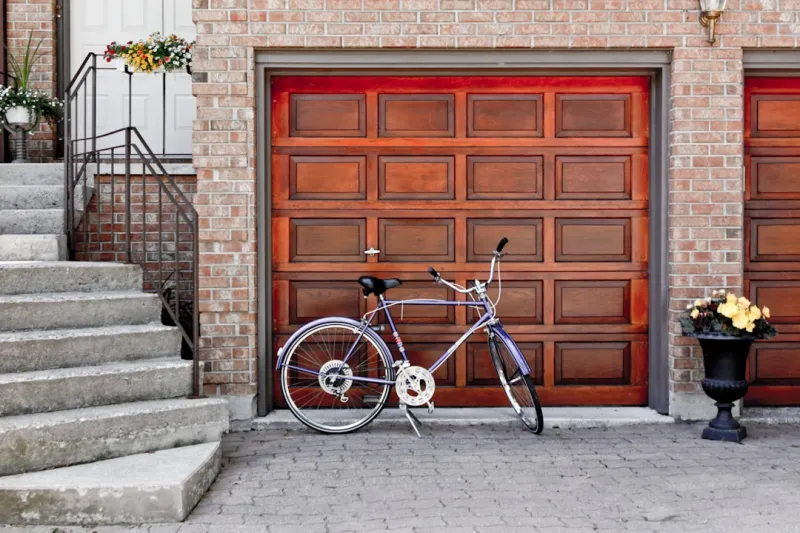
The Eco-Friendly Garage Door: A Surprisingly Simple Way to Green Your Home
Find out how an eco-friendly garage door can make a significant impact on your home's energy efficiency and overall sustainability. Learn about sustainable mate...Read More

The Evolution of Sustainable Property Maintenance: A Greener Future for Your Home
Sustainable property maintenance is on the rise, and it's revolutionizing the way we care for our homes. Learn how to make your home more eco-friendly and contr...Read More

Curating Quiet Corners: Acoustic Zoning for Modern Interiors
Explore the art of acoustic zoning—strategic design techniques, material selections, and smart sensor integration—to craft quiet corners that boost focus, r...Read More

Data‑Driven Furniture Restoration: Turning Tradition into Tech‑Powered Upcycling
Discover how leveraging data, 3‑D scanning, and smart finishes can transform traditional furniture restoration into a sustainable, high‑value craft that ble...Read More
0 Comments
Post Comment
You will need to Login or Register to comment on this post!