
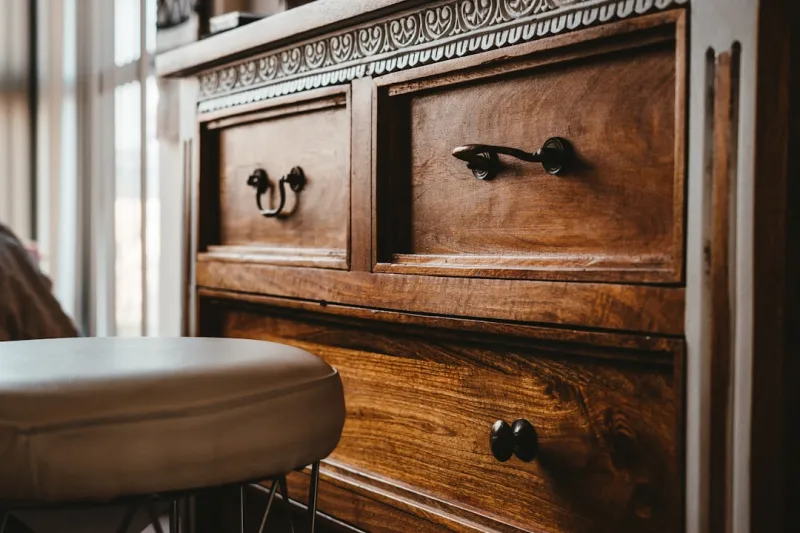
The Sustainable Revival of Furniture Restoration
As a seasoned furniture restorer, I've witnessed firsthand the transformative power of reviving old, discarded pieces into functional works of art. In today's fast-paced, consumerist society, it's refreshing to see a growing interest in sustainable practices that not only reduce waste but also preserve the beauty of the past. Furniture restoration is an art form that requires patience, skill, and a deep understanding of the materials and techniques used to create the original piece. By embracing sustainable practices, we can breathe new life into old furniture, reducing the need for new, resource-intensive pieces.
The environmental benefits of furniture restoration are undeniable. The production of new furniture requires massive amounts of energy, water, and raw materials, resulting in significant greenhouse gas emissions and waste. In contrast, restoring old furniture reduces the demand for new materials, minimizes waste, and conserves resources. Moreover, restored furniture pieces often develop a unique patina over time, giving them a character that is impossible to replicate with new furniture. As someone who's passionate about preserving the past, I believe that furniture restoration is an essential part of sustainable living.
The Evolution of Sustainable Design
The concept of sustainability has been around for decades, but its application in design and manufacturing has gained significant traction in recent years. The evolution of sustainable design has led to innovative materials, techniques, and practices that minimize environmental impact. In the context of furniture restoration, sustainability is not just about using eco-friendly materials but also about preserving the original craftsmanship and character of the piece. By embracing sustainable practices, we can create a more circular economy that values longevity, durability, and recyclability. For more information on sustainable design, I recommend checking out The Evolution of Sustainable Roofing: A Comprehensive Guide, which explores the intersection of sustainability and traditional industries.
Reviving Traditional Techniques
As a furniture restorer, I've had the privilege of working with various materials, from solid woods to intricate metalwork. Traditional techniques, such as hand-carving, joinery, and finishing, require a deep understanding of the materials and the craft. By reviving these techniques, we can create pieces that are not only functional but also beautiful and timeless. Moreover, traditional techniques often rely on locally sourced materials, reducing the carbon footprint associated with transportation and production. In my experience, there's something special about working with reclaimed or salvaged materials, as they often carry a story and a history that can't be replicated with new materials.
The Benefits of Sustainable Furniture Restoration
The benefits of sustainable furniture restoration are multifaceted. Not only does it reduce waste and conserve resources, but it also preserves the cultural heritage of traditional craftsmanship. Restored furniture pieces can become family heirlooms, passed down through generations, and cherished for their beauty and history. Furthermore, sustainable furniture restoration promotes a more mindful approach to consumption, encouraging us to value and care for our belongings rather than discarding them. As someone who's passionate about sustainability, I believe that furniture restoration is an essential part of creating a more environmentally conscious lifestyle.
Embracing Sustainable Home Improvements
Furniture restoration is just one aspect of sustainable home improvements. By embracing eco-friendly practices, we can create a more sustainable living space that minimizes environmental impact. From sustainable windows and doors to eco-friendly flooring options, there are numerous ways to create a more sustainable home. As a furniture restorer, I believe that every piece of furniture, no matter how small, has the potential to make a significant impact on the environment. By making conscious choices, we can create a more sustainable future for ourselves and future generations.
The Future of Furniture Restoration
The future of furniture restoration is bright, with a growing interest in sustainable practices and traditional craftsmanship. As consumers become more environmentally conscious, they're seeking out furniture pieces that are not only beautiful but also sustainable. As a furniture restorer, I'm excited to see a new generation of craftsmen and women embracing traditional techniques and sustainable practices. By sharing knowledge and skills, we can ensure the continuation of this ancient craft and promote a more sustainable approach to furniture design.
Conclusion
In conclusion, furniture restoration is a vital part of sustainable living, promoting a more mindful approach to consumption and waste reduction. By embracing traditional techniques and sustainable practices, we can create pieces that are not only beautiful but also environmentally conscious. As someone who's passionate about preserving the past, I believe that furniture restoration has the power to transform our relationship with the environment and promote a more sustainable future. For more information on sustainable practices, I recommend checking out Embracing Sustainable Home Improvements: A Comprehensive Guide, which explores the intersection of sustainability and home design.
Final Thoughts
As I reflect on my journey as a furniture restorer, I'm reminded of the importance of patience, skill, and attention to detail. Furniture restoration is not just about reviving old pieces; it's about preserving the past and promoting a more sustainable future. By embracing sustainable practices and traditional techniques, we can create a more environmentally conscious industry that values longevity, durability, and recyclability. As we move forward, I'm excited to see the impact that sustainable furniture restoration will have on our planet and our communities.

Craig Brett is a freelancer with a passion for the outdoors. His love for nature inspires his work, bringing authentic and engaging perspectives to projects related to outdoor activities, adventure, and environmental topics.
Related Posts

Breathing New Life into Old Furniture: A Story‑Centric Restoration Playbook
Explore a step‑by‑step, story‑focused method for restoring furniture that honors its history, ... Read More
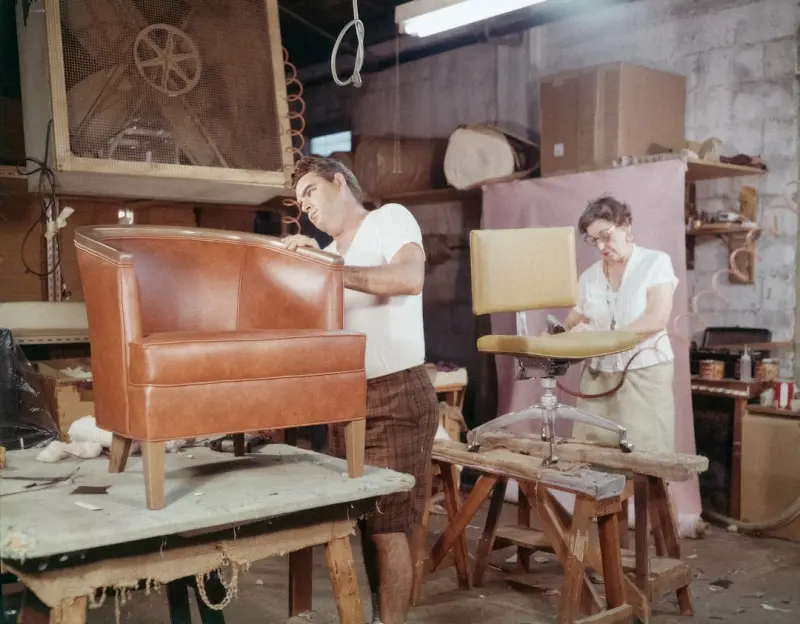
From Drab to Dream: A DIY Guide to Restoring Your Favorite Furniture
Kelly shares her personal journey of reviving worn furniture, offering practical tips on assessment,... Read More

Reviving Timeless Pieces: A Hands‑On Guide to Furniture Restoration
A detailed, hands‑on guide walks readers through assessing, repairing, and finishing old furniture... Read More
Top Posts

Seasonal Plumbing Checkups: The Proactive Homeowner’s Secret to Leak‑Free Living
A practical guide to seasonal plumbing maintenance, offering checklists, early warning signs, and smart integration tips to keep your pipes leak‑free and your...Read More

Parametric Design: Data‑Driven Facades Redefining Urban Skylines
Parametric design turns building skins into responsive, data‑infused systems that enhance energy efficiency, occupant comfort, and brand value, ushering in a ...Read More
Reviving Brick: Modern Masonry Techniques for the Everyday Builder
Explore contemporary masonry strategies—materials, mortar mixes, thin veneer, and sustainable reclamation—to create lasting, stylish walls that bridge indoo...Read More
Silent Water Intruders: Mastering Hidden Leak Detection for a Healthy Home
Learn how to detect invisible leaks before they cause damage. From acoustic listening devices to smart sensors and pressure testing, Paul Gray shares pro tips t...Read More
0 Comments
Post Comment
You will need to Login or Register to comment on this post!