
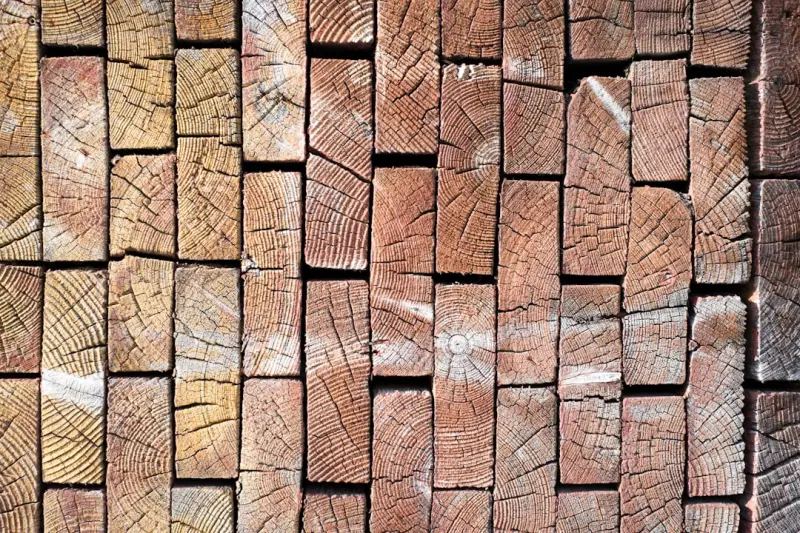
Digital Grain Mapping: How Data Is Changing the Way Woodworkers Choose and Shape Timber
When I first walked into my workshop with a slab of reclaimed oak, the decision of how to slice it was based on intuition, a handful of experience‑based rules, and a good eye for grain. Today, that process can be quantified, simulated, and optimized with a few clicks. The convergence of high‑resolution scanning, cloud‑based analytics, and smart CNC routers is turning the age‑old craft of woodworking into a data‑driven practice—without losing the soul of the hand‑crafted piece.
Why Grain Matters More Than You Think
Every piece of wood tells a story through its grain. The direction, density, and curvature of the fibers dictate how the board will respond to stress, finish, and machining. Historically, woodworkers have relied on visual inspection and tactile feedback to assess these qualities. While that method works, it’s prone to human error, especially when working with exotic species or reclaimed material where hidden defects are common.
Key takeaways:
- Structural integrity: Grain alignment with load paths reduces the risk of splits and warping.
- Finish performance: Uniform grain leads to more consistent staining and fewer blotches.
- Machining efficiency: Understanding grain direction minimizes tool wear and reduces cycle time.
From Hand Lens to Handheld Scanner
The first step toward a data‑rich workflow is capturing the wood’s surface in detail. Modern handheld scanners, some no larger than a smartphone, emit structured light or laser pulses that generate a point cloud of the board’s topography. The resulting mesh captures not just the macro grain patterns but also subtle undulations that indicate internal tension.
Once scanned, the data is uploaded to a cloud service where proprietary algorithms calculate:
- Grain orientation vectors across the entire surface.
- Potential defect zones such as knots, checks, and resin pockets.
- Optimal cutting lines that preserve structural strength while maximizing yield.
This analysis replaces the time‑consuming manual measurement process with a matter of seconds, allowing the woodworker to make evidence‑based decisions before the first cut.
Integrating Grain Data with CNC Workflows
Most modern workshops already use CNC routers for precision cuts. By feeding the grain‑orientation map into the CAM software, the machine can automatically adjust toolpaths to follow the grain, a practice known as “grain‑aligned routing.” The benefits are immediate:
- Reduced tear‑out: Tools stay with the grain, producing cleaner edges.
- Lower tool wear: Cutting against the grain creates more friction and heat.
- Higher material yield: Optimized nesting takes into account defect locations, minimizing waste.
For shops that produce custom cabinets or furniture, this integration also enables rapid prototyping. A client can upload a photo of a reclaimed slab, receive a digital grain report, and instantly view design options that respect the wood’s natural strengths.
Case Study: A Small‑Scale Workshop Goes Digital
Consider a boutique furniture maker in Asheville who traditionally sourced local walnut by eye. After adopting a handheld scanner and a subscription to a grain‑analysis platform, the shop reported a 30% reduction in material waste and a 20% increase in on‑time delivery. The shop also began offering “grain‑optimized” pieces as a premium service, charging customers for the extra data‑driven craftsmanship.
What made the transition possible was not just the technology but the mindset shift: treating each board as a data set rather than a static commodity. This perspective aligns perfectly with the broader trend of AI‑Driven Form‑Finding: The Next Leap in Architectural Design, where algorithms augment human creativity rather than replace it.
Choosing the Right Tools for the Job
Below is a quick checklist for woodworkers ready to dip their toes into digital grain mapping:
- Scanner: Look for a device that captures at least 0.5 mm resolution and supports export in .ply or .obj formats.
- Software: Cloud platforms with built‑in grain analysis (e.g., GrainSense, TimberAI) often include a free tier for hobbyists.
- CAM integration: Ensure your CNC software can import the grain vectors as a “tool orientation” layer.
- Training: Spend time learning how to interpret the grain maps; the data is only as good as the decisions you make.
Balancing Tradition and Technology
It’s easy to feel that digitization threatens the authenticity of woodworking. In reality, the most successful craftsmen are those who blend the tactile knowledge of generations with the precision of modern analytics. When you know that a particular board’s grain will bend under a certain load, you can deliberately design a joint that exploits that behavior—creating pieces that are both beautiful and engineered for longevity.
For those who love the hands‑on aspect, the scanner is simply another tool in the toolbox, akin to a caliper or a marking gauge. The core of the craft—shaping, finishing, and assembling—remains unchanged. What changes is the confidence you have in each cut, and the storytelling you can share with customers about the science behind the art.
Beyond the Workshop: Sustainability Implications
Data‑driven grain analysis also contributes to more sustainable practices. By maximizing yield from each board and reducing the need for secondary machining, workshops consume less energy and produce fewer waste scraps. Moreover, accurate defect detection can revive otherwise discarded pieces, extending the life of harvested timber.
In a circular‑economy mindset, this aligns with broader industry goals. When you can prove that a reclaimed piece was optimized for performance, you give it a new narrative that justifies premium pricing and encourages responsible sourcing.
Future Directions: Real‑Time Grain Feedback
Imagine a router equipped with a built‑in fiber‑optic sensor that reads grain direction in real time, adjusting spindle speed and feed rate on the fly. While still in the prototype stage, such systems could eliminate the need for pre‑scan entirely, making grain‑aware cutting as seamless as turning on a light switch.
Another exciting frontier is the integration of Craft Meets Science approaches to restoration. By scanning an antique piece, conservators can map the original grain flow, ensuring that any repairs or reinforcements match the historic structure, preserving both aesthetics and integrity.
Getting Started Today
If you’re intrigued but hesitant, start small. Many scanners offer trial periods, and free cloud analysis tools can process a handful of scans per month. Pair this with a simple CNC script that respects grain direction, and you’ll quickly see the tangible benefits. Share your results on social media; the woodworking community loves data‑rich stories, and you’ll inspire peers to experiment.
In the end, digital grain mapping is not about turning woodworkers into data scientists. It’s about giving you a clearer window into the material you love, allowing you to make choices that honor the wood’s natural character while delivering the precision that modern clients expect.

Tom Ferguson is a Canadian freelance writer with a passion for storytelling, current events, and thoughtful commentary. Drawing on years of writing experience, he shares engaging insights on a wide range of topics, bringing a uniquely Canadian perspective to his work.
Related Posts

Reviving Hand‑Tool Mastery: Traditional Joinery for Modern Makers
A deep dive into the growing trend of hand‑tool woodworking, covering the benefits of traditional ... Read More

Rediscovering Handcrafted Joinery: Why the Needle‑Nose Still Matters
A deep dive into the resurgence of hand‑cut joinery, showing how reclaimed timber, ergonomic works... Read More

Crafting a Flexible Woodworking Studio for Small Homes
Discover step‑by‑step guidance on creating a versatile, compact woodworking studio that balances... Read More
Top Posts

Embracing Sustainable Window Treatments for a Greener Future
Learn how sustainable window treatments can reduce energy consumption, improve indoor air quality, and create a healthier living space. Explore the latest trend...Read More

Reimagining Sunrooms: From Seasonal Nooks to Year‑Round Wellness Sanctuaries
Sunrooms can evolve from seasonal extensions to holistic wellness sanctuaries. Learn how biophilic design, smart climate control, acoustic solutions, and sustai...Read More
Unlocking Hidden Potential: Transform Your Basement Into a High‑Performance Space
A comprehensive guide to turning neglected basements into flexible, energy‑smart, and income‑generating areas, covering assessment, design, smart tech, mate...Read More

Shade as Strategy: Transforming Awnings into Smart Building Assets
A modern awning is more than shade—it’s a strategic, data‑driven asset. Learn how intelligent materials, automation, and integration with building systems...Read More
0 Comments
Post Comment
You will need to Login or Register to comment on this post!