

Why Foundations Are Becoming the Smartest Part of a Building
When you walk onto a construction site, the first thing you notice is the trench‑filled earth, the steel rebar, and the poured concrete that will become the building’s base. For most of my career, I treated that slab as a static, one‑time investment – something you design, build, and then largely forget about. Over the past few years, however, the conversation has shifted. Foundations are no longer inert; they’re emerging as data‑rich platforms that can sense, adapt, and even generate value long after the superstructure goes up.
The Rise of Embedded Sensor Grids
Imagine a concrete slab that can tell you when it’s cracking, when moisture is migrating, or when temperature fluctuations threaten the integrity of the structure. That’s no longer a futuristic concept. By embedding low‑power MEMS (Micro‑Electro‑Mechanical Systems) sensors throughout the formwork, contractors can create a dense grid that streams real‑time telemetry back to a central dashboard. The data points are simple – strain, humidity, temperature, and vibration – but when you run them through edge analytics, patterns emerge that would be impossible to detect with periodic inspections.
One of the biggest advantages of this approach is its ability to catch issues before they become costly repairs. A sudden spike in strain during a heavy rainstorm could indicate rising groundwater pressures, prompting an immediate mitigation strategy such as temporary dewatering. Over time, the system builds a historical baseline, allowing predictive models to forecast when a foundation might need reinforcement or when settlement rates are deviating from design expectations.
Turning the Foundation into an Energy Asset
Concrete is a good thermal mass, but what if we could coax it into storing and releasing energy on demand? Recent advances in phase‑change materials (PCMs) that can be mixed into the concrete matrix enable the slab to absorb excess heat during the day and release it when temperatures dip at night. This passive thermal regulation reduces reliance on HVAC systems, cutting operational carbon footprints.
Beyond thermal benefits, some developers are experimenting with embedding flexible photovoltaic films beneath the concrete surface in shallow basements or podium levels. While the energy yield per square foot isn’t massive, the cumulative effect across a high‑rise campus can offset a meaningful portion of the building’s electricity consumption. Pair this with AI‑driven energy diagnostics, and you have a foundation that not only supports the building but also actively contributes to its net‑zero goals.
Hybrid Materials: Reducing Carbon While Boosting Performance
Traditional Portland cement is responsible for roughly 8 % of global CO₂ emissions. The construction industry is responding with hybrid binders that combine geopolymer cements, recycled aggregates, and industrial by‑products such as fly ash. When these materials are used in foundations, they achieve comparable compressive strengths while slashing embodied carbon.
What’s more, the lighter weight of some geopolymer mixes can reduce the load on subsoil, which is a boon in areas with weak bearing capacity. Engineers can now design thinner footings without sacrificing safety, freeing up more usable site area for landscaping or auxiliary structures.
Foundations as a Platform for Future‑Proofing
One of the biggest challenges for owners is the uncertainty of future building uses. A warehouse might later be repurposed into a data center, or a parking garage could be transformed into mixed‑use commercial space. Embedding a modular sensor and power infrastructure in the foundation creates a “plug‑and‑play” environment that can support new building systems without costly retrofits.
Take the example of a logistics hub that later adopts automated guided vehicles (AGVs). The existing sensor network can be leveraged to monitor floor vibrations caused by heavy robot traffic, ensuring the underlying slab remains within safe stress limits. Similarly, a future retrofit that adds a green roof or solar canopy can tap into the foundation’s embedded power lines to feed renewable generation directly into the building’s microgrid.
Integrating with the Broader IoT Ecosystem
Smart foundations don’t operate in isolation. They feed into the same IoT backbone that powers building management systems (BMS), security, and tenant experience platforms. By standardizing data protocols – for instance, using MQTT or OPC-UA – foundation telemetry can be aggregated alongside HVAC, lighting, and occupancy data. This unified view empowers facilities managers to run cross‑system optimizations, such as adjusting HVAC setpoints based on detected foundation moisture trends that might indicate increased humidity in lower floors.
For developers keen on offering differentiated services, the foundation’s data stream can be packaged as a subscription service for tenants. Imagine a warehouse operator receiving monthly reports on foundation settlement trends, moisture intrusion alerts, and predictive maintenance windows – all without lifting a finger. This “Foundation Health‑as‑a‑Service” model builds trust and opens a recurring revenue channel that extends beyond the typical rent‑roll.
Case Study: A Multi‑Story Office Tower in the Midwest
Last year, a developer in the Midwest partnered with a technology firm to embed a sensor grid in the foundation of a 20‑story office tower. The sensors were placed at 1‑meter intervals across the slab and within the pile caps. Data was streamed to a cloud platform where machine‑learning models, trained on historical settlement data, flagged an anomaly three weeks after a heavy snow melt. The model identified a localized uplift caused by thawing frost heave, prompting the contractor to inject a polymer‑based stabilizer in the affected zone.
The proactive fix saved an estimated $250,000 in potential settlement repairs and prevented a cascade of interior finish issues that would have required costly rework. Moreover, the embedded PCMs reduced the tower’s heating load by 12 % during the first winter, translating into lower utility bills for tenants.
Design Considerations for the Forward‑Thinking Engineer
- Sensor Placement Strategy: Prioritize high‑stress zones such as pile caps, shear walls, and areas near expansion joints. Use a staggered layout to capture three‑dimensional strain data.
- Power Management: Leverage energy‑harvesting technologies like piezoelectric elements that generate power from foot traffic or vehicle loads, reducing reliance on batteries.
- Data Security: Encrypt data at the edge and enforce role‑based access controls to protect sensitive structural information.
- Compatibility with Future Systems: Adopt open‑source data schemas to ensure that new building technologies can ingest foundation data without custom integration work.
- Lifecycle Planning: Include sensor de‑commissioning and recycling in the demolition plan to avoid electronic waste.
Overcoming Barriers to Adoption
Despite the clear benefits, many stakeholders remain hesitant. The primary concerns revolve around upfront cost, perceived complexity, and the need for skilled personnel to interpret the data. To address these, manufacturers are offering bundled solutions that combine sensors, connectivity modules, and analytics platforms at a subscription price point. This shifts capital expense to an operational model, aligning costs with the value delivered over the asset’s life.
Education is also key. Universities are now integrating “smart infrastructure” modules into civil engineering curricula, ensuring the next generation of engineers is comfortable with data‑centric design. Professional bodies are publishing guidelines for the ethical use of structural data, which helps alleviate liability worries.
Looking Ahead: Foundations in the Age of Autonomous Construction
As robotics and 3D printing become mainstream on construction sites, the foundation will serve as the anchor point for autonomous equipment. Robots will need precise, real‑time knowledge of the ground’s stability to safely navigate and place components. Embedded sensors will provide that feedback loop, enabling a closed‑control system where machines adjust their operations based on live foundation data.
Moreover, as climate change intensifies, foundations will be tasked with resisting more extreme events – from prolonged flooding to higher seismic activity. A data‑rich foundation equips owners with the intelligence to adapt quickly, whether that means raising the slab, installing flood barriers, or reinforcing shear walls.
Final Thoughts
The foundation has always been the quiet hero of construction, doing the heavy lifting while staying out of the spotlight. Today, it’s stepping into that spotlight, armed with sensors, smart materials, and a vision for continuous value creation. By embracing these technologies, developers, engineers, and owners can build not just stronger structures, but smarter, more resilient ecosystems that stand the test of time.
Ready to explore how a data‑enabled foundation can transform your next project? Dive deeper into the world of predictive structural health with our predictive foundation health platform and discover how AI can unlock hidden efficiencies across your building envelope.

Craig Brett is a freelancer with a passion for the outdoors. His love for nature inspires his work, bringing authentic and engaging perspectives to projects related to outdoor activities, adventure, and environmental topics.
Related Posts

Beyond Concrete: Rethinking Foundations for a Greener Tomorrow
A deep dive into sustainable foundation practices, from low‑carbon binders and thermal insulation ... Read More
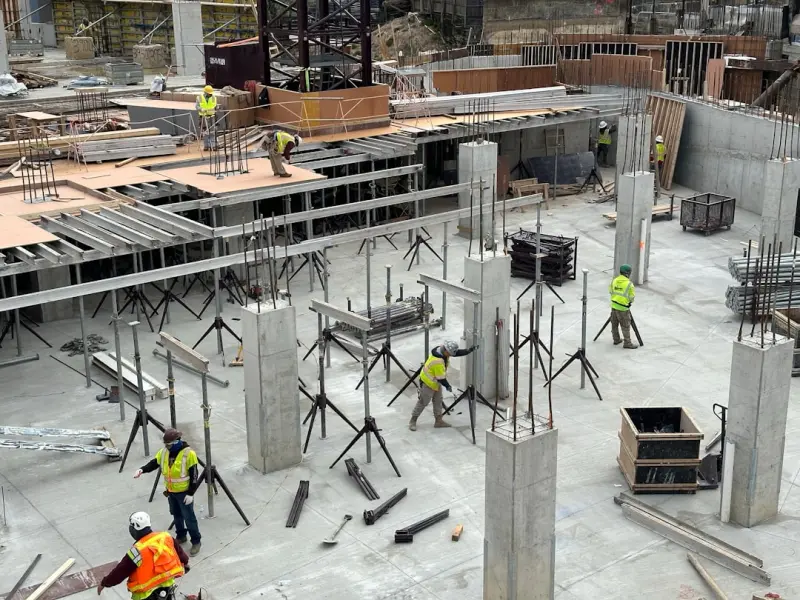
Smart Foundations: How Embedded Sensors are Redefining Structural Integrity
Embedding IoT sensors into building foundations transforms them from passive supports into active, d... Read More

Foundations Reimagined: Data, Sustainability, and Resilience Underfoot
Discover why foundations are becoming the new smart platform in construction, from real‑time monit... Read More
Top Posts
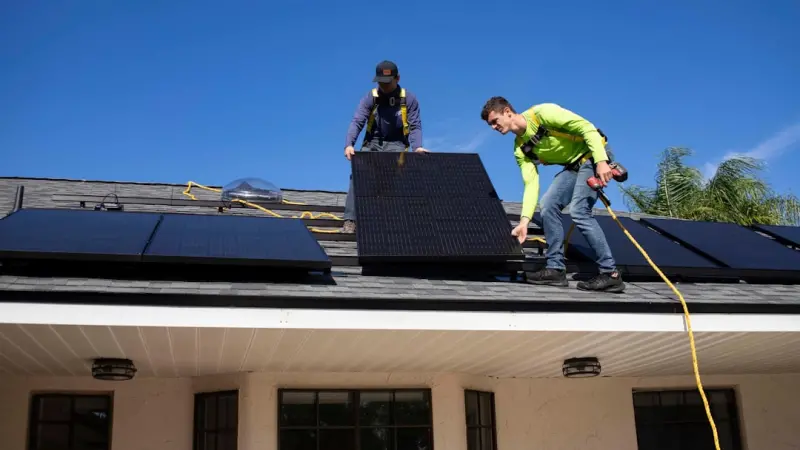
Solar Energy Unleashed: A Homeowner’s Blueprint for Real Savings and Resilience
A practical guide that shows homeowners how to integrate solar panels, storage, and smart tech to slash bills, boost energy independence, and prepare for the re...Read More

Acoustic Wallpaper: Boost Office Quiet & Brand Presence
Acoustic wallpaper merges sound absorption with striking design, offering a cost‑effective way to quiet open spaces, reinforce brand identity, and create fres...Read More

Plastering’s Modern Renaissance: Health, Design, and Smart Innovations
Plaster is returning to the spotlight as a versatile, health‑focused, and technologically enhanced material, offering fire resistance, humidity regulation, an...Read More

Unlocking the Future: How Smart Windows and Doors Redefine Home Living
Explore the latest innovations in windows and doors—dynamic glass, smart locks, acoustic insulation, and solar glazing—that boost comfort, security, and ene...Read More
0 Comments
Post Comment
You will need to Login or Register to comment on this post!