

When Grain Meets Code: The Rise of Smart Woodworking
Woodworking has always been a dialogue between the maker and the material. The grain, the scent of fresh cut timber, the tactile feedback of a plane – these are the cues that have guided artisans for centuries. Today, a new conversation is emerging, one that fuses that ancient intuition with the precision of digital technology. In this piece, I’ll walk you through how the integration of sensors, data analytics, and AI is reshaping the workshop, opening doors to products that are not only beautiful but also intelligent, adaptable, and sustainable.
Why the Intersection Matters
At its core, woodworking is about solving problems: creating a joint that holds, a surface that resists wear, a shape that fits a space. Traditional solutions rely on experience, trial‑and‑error, and a deep respect for the wood’s natural behavior. When we layer data‑driven insights onto that foundation, we gain a new set of tools that can predict, adjust, and even improve the wood’s performance over time.
- Predictive durability: Embedded humidity and strain sensors can alert you before a tabletop warps or a cabinet door swells.
- Adaptive ergonomics: Smart workbenches can auto‑adjust height or angle based on the user’s posture, reducing fatigue.
- Supply‑chain transparency: RFID tags linked to blockchain records verify that every board comes from responsibly managed forests.
The result is a craft that remains deeply human while delivering the reliability and insight that modern users expect.
Building a Connected Workshop
Transitioning a traditional workshop into a “smart” environment doesn’t require a full overhaul. Start with incremental upgrades that blend seamlessly with existing processes.
- Sensor‑embedded lumber: Companies now offer pre‑treated boards that contain thin, flexible sensors capable of monitoring moisture content in real time. This data feeds into a dashboard on your tablet, letting you schedule finishing work at the optimal moment.
- IoT‑enabled tools: From cordless routers with Bluetooth telemetry to laser-guided saws that sync with CAD files, modern power tools can now log usage patterns, battery health, and even the force applied during a cut. This information helps you maintain tools proactively, extending their lifespan.
- Digital inventory management: Tag each plank with a QR code. Scan it into a cloud‑based system that tracks dimensions, species, and the sensor data you’ve gathered. When a client requests a specific grain pattern, the system can instantly locate the perfect piece.
These modest steps set the stage for a workshop that “talks” to its owner, providing actionable insights without demanding a complete redesign of the space.
Case Study: From Rough‑Sawn to Responsive Furniture
Imagine a client who wants a dining table that ages gracefully and never surprises them with sudden cupping or cracking. By combining traditional joinery with smart technology, you can deliver exactly that.
- Design phase: Use parametric CAD software to model the table. Input the desired dimensions, load capacity, and aesthetic preferences. The software automatically suggests mortise‑and‑tenon joints that balance strength with visual appeal.
- Material selection: Choose sustainably harvested walnut boards that come pre‑fitted with thin moisture sensors. Each sensor transmits data to a central hub, logging the board’s hygroscopic behavior from the moment it leaves the mill.
- Construction: As you assemble the table, the sensors continue to stream data. If any board shows an unexpected rise in moisture, the dashboard warns you, allowing you to adjust the finish schedule or apply a protective coating preemptively.
- Post‑delivery: The finished piece includes a discreet Bluetooth module that syncs with a homeowner’s smartphone app. The app notifies them when humidity spikes in the dining room, suggesting ventilation or a temporary protective mat.
The table remains a handcrafted masterpiece, yet it carries an invisible layer of intelligence that preserves its integrity for decades.
Smart Woodworking Meets Sustainability
One of the most compelling arguments for integrating technology into woodworking is the boost it gives to sustainable practices. When you can monitor moisture levels precisely, you reduce waste caused by warped or split boards. Real‑time tracking of tree provenance, coupled with blockchain verification, ensures that every piece of timber is sourced responsibly.
Moreover, the data collected from smart workshops can inform larger industry trends. Manufacturers can analyze aggregated moisture data across regions to predict when certain species will be most stable for milling, optimizing harvest schedules and reducing the carbon footprint associated with excessive drying processes.
Learning from Other Disciplines
Smart woodworking is not developing in a vacuum. It draws inspiration from adjacent fields that have already embraced the convergence of material and data.
Take restoring furniture as sustainable storytelling, for instance. That article highlighted how data can be used to trace a piece’s lifecycle, turning a simple chair into a narrative of reuse and environmental stewardship. In woodworking, we can adopt a similar approach: each plank becomes a chapter in a story that includes its forest origin, the conditions it endured, and the craftsmanship it received.
Another parallel lies in acoustic strategies for modern spaces. By measuring sound absorption properties and integrating acoustic panels, designers achieve quieter interiors. Wood, with its natural resonant qualities, can be engineered—using sensor data—to provide targeted acoustic performance, turning a simple bookshelf into a sound‑diffusing element.
Challenges and Considerations
While the benefits are compelling, the transition to smart woodworking brings its own set of hurdles.
- Cost of entry: Sensors and IoT infrastructure can be pricey for small shops. However, prices are dropping as the market expands, and many manufacturers offer modular kits that let you start small.
- Data overload: An influx of real‑time data can feel overwhelming. The key is to focus on actionable metrics—moisture thresholds, tool health alerts, and inventory discrepancies—rather than trying to monitor every variable.
- Preserving craftsmanship ethos: Some purists fear that technology may dilute the human element. The goal is not to replace the artisan’s intuition but to augment it, providing a safety net that lets creativity flourish without unnecessary risk.
Future Outlook: AI‑Assisted Design
Artificial intelligence is poised to become the next frontier for woodworkers. Imagine feeding a few photos of a client’s living room into an AI model that suggests custom cabinetry designs, optimizes material usage, and predicts how the finished piece will look under different lighting conditions.
Early experiments with generative design are already yielding impressive results in metal and composite industries. Translating this to wood means the AI respects grain direction, natural defects, and structural limitations while exploring bold, unconventional forms that a human mind might not conceive.
Practical Steps to Get Started
If you’re intrigued but unsure where to begin, here’s a roadmap that balances ambition with practicality.
- Identify a pain point: Choose a recurring issue—perhaps moisture‑related warping or tool downtime—and focus your tech integration on solving it.
- Invest in a pilot sensor kit: Many suppliers offer starter packs for monitoring humidity and temperature. Install them on a single workbench or a batch of lumber.
- Set up a simple dashboard: Use a platform like Node‑RED or a cloud service that can ingest sensor data and trigger email or push notifications.
- Collect and analyze data for one month: Look for patterns. Does the humidity in your shop spike during certain hours? Are specific tools failing more often than others?
- Iterate and expand: Based on insights, add more sensors, integrate tool telemetry, or start tagging inventory.
- Share the story: Clients love transparency. Create a QR‑linked page that shows the journey of the wood—from forest to finished product—leveraging the data you’ve gathered.
Conclusion: Crafting the Future While Honoring the Past
Woodworking has always been a dance between control and surrender. By inviting data and smart technology onto the floor, we don’t dominate the wood; we learn its language more fluently. The result is a new class of products that marry timeless aesthetics with modern reliability—tables that warn you before they warp, cabinets that adapt to humidity, and furniture that tells its own sustainable story.
As artisans, we have an opportunity to lead this evolution, ensuring that the soul of the craft remains intact while the tools we use become smarter, greener, and more responsive. The grain still guides the hand, but now it also whispers to the cloud.

William Roy is a freelance writer originally from Montreal who moved to Ottawa with his wife of 50 years to be closer to their grandkids. Alongside his writing, William has a passion for fishing.
Related Posts
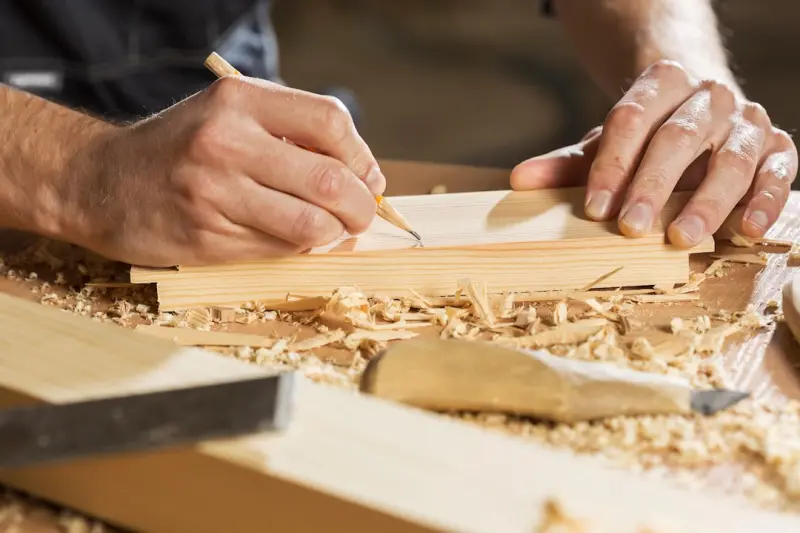
Crafting the Future: Sustainable, Tech‑Enabled Woodworking for Modern Makers
Discover the quiet revolution in woodworking where reclaimed materials, CNC precision, and community... Read More

Crafting a Flexible Woodworking Studio for Small Homes
Discover step‑by‑step guidance on creating a versatile, compact woodworking studio that balances... Read More

From Scrap to Spotlight: Crafting Upcycled Wood Masterpieces
A deep‑dive into the art of upcycling vintage timber, offering practical sourcing tips, hand‑too... Read More
Top Posts
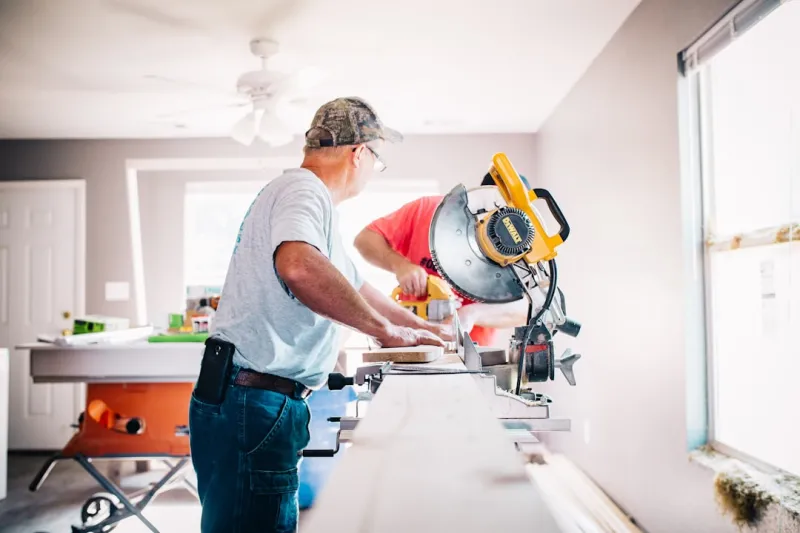
The Importance of General Contracting in Home Restoration
General contracting plays a vital role in home restoration, encompassing a wide range of services that help homeowners achieve their renovation goals. Learn mor...Read More
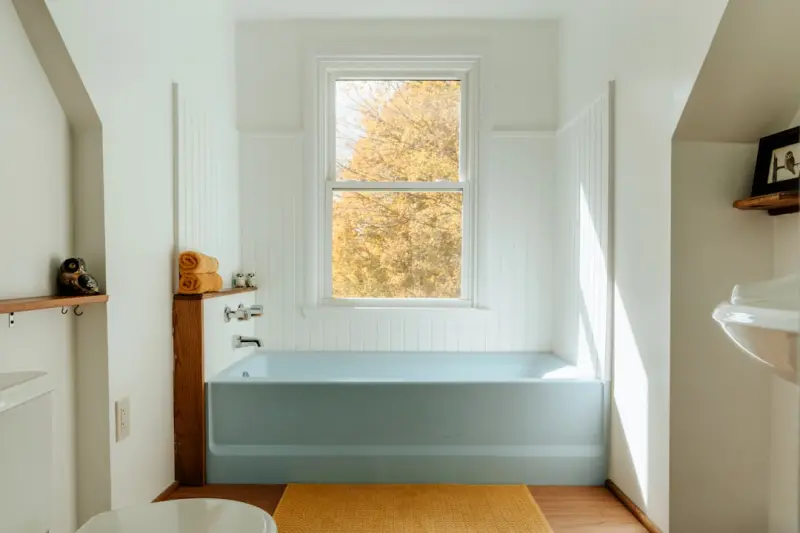
Beyond the Gloss: Crafting Smart, Sustainable Bathrooms with Bathtub Refinishing
Bathtub refinishing is evolving from a quick fix to a platform for design, sustainability, and smart home integration, offering homeowners a high‑impact, lowâ...Read More

Mold Removal for Renters: A Practical Guide to Spot, Stop, and Safeguard Your Space
A renter’s step‑by‑step guide to spotting mold, safely removing it, and preventing future growth—plus legal tips and budget‑friendly tools....Read More

Biophilic Design‑Build: Crafting Spaces That Breathe and Thrive
A deep dive into biophilic design‑build, showing how nature, smart sensors, and integrated teamwork create healthier, energy‑efficient buildings that enhanc...Read More
0 Comments
Post Comment
You will need to Login or Register to comment on this post!