

Why Windows and Doors Are the New Frontier of Building Intelligence
When most facility managers think about “smart” building upgrades, the conversation jumps straight to HVAC, lighting, or even the roof‑top solar array. Rarely do we hear the same excitement around the very elements that frame a space: its windows and doors. As someone who has spent the last decade turning ordinary building components into strategic assets, I’ve learned that the envelope—especially glazing and entry points—holds a secret trove of data, energy savings, and security benefits that can redefine a property’s performance.
From Passive Barriers to Active Participants
Historically, windows and doors were treated as static, passive barriers: they let light in, kept the weather out, and that’s it. Modern engineering, however, is flipping that script. Integrated sensors, motorized actuators, and cloud‑based analytics now allow each pane of glass and every door leaf to communicate with the building’s management system in real time.
- Thermal performance monitoring: Embedded temperature and humidity sensors track heat loss/gain on a per‑window basis, flagging underperforming units before they become costly leaks.
- Occupant comfort profiling: By coupling daylight sensors with occupancy data, the system can dynamically tint smart glass or adjust shading devices to maintain consistent interior illumination and reduce glare.
- Security intelligence: Door contact sensors, combined with facial recognition or badge readers, create a layered security profile that adapts to threat levels, alerting staff only when anomalies appear.
All of this transforms the façade from a mere skin into an active, data‑rich partner in the building’s operational strategy.
Energy Savings That Show Up on the Balance Sheet
According to the Department of Energy, windows account for up to 30% of a building’s heating and cooling load. Upgrading to high‑performance glazing alone can slash that number dramatically, but the real breakthrough comes when you pair the hardware with intelligent control.
Imagine a conference center with floor‑to‑ceiling glass walls. On a sunny winter morning, the system detects a rise in interior temperature, automatically adjusts the low‑emissivity (Low‑E) coating to reflect excess solar gain, and simultaneously signals the HVAC to reduce heating output. The result? A measurable drop in energy consumption, often translating into double‑digit percentage savings on utility bills.
And the savings don’t stop at energy. By proactively sealing drafts and monitoring seal integrity, property owners can avoid the hidden costs of moisture intrusion, which often leads to mold growth—a problem we’ve tackled in other contexts through IoT‑driven proactive strategies. The same data that keeps windows efficient also warns you of potential condensation before it becomes a health hazard.
Data‑Driven Maintenance: A New Kind of Predictive Care
Maintenance teams have long relied on scheduled inspections or reactive repairs. The rise of predictive maintenance for appliances proves the concept works—so why not extend it to windows and doors?
Each smart frame can report its own health metrics: actuator cycles for motorized windows, latch engagement frequency for doors, and seal compression levels for insulated glazing units. By feeding these data streams into a machine‑learning model, the system predicts when a seal will fail or when a motor will need lubrication, allowing facilities to schedule a service window before a failure impacts occupants.
Beyond preventing downtime, this approach slashes labor costs. Technicians no longer need to inspect every unit; they focus only on those flagged by analytics, turning a once‑tedious task into a high‑value, precision‑driven activity.
Security Meets Sustainability
Security and sustainability are often portrayed as separate initiatives, but intelligent doors prove they can be synergistic. A door that knows when it’s being opened—thanks to a contact sensor—can also trigger a localized HVAC adjustment, ensuring that the moment a large entry point opens, the system compensates for the sudden air exchange.
Additionally, integrating door access logs with energy data surfaces patterns that highlight inefficiencies. For instance, a loading dock door that remains open during peak summer hours may indicate a process bottleneck. By analyzing the combined data, facilities can redesign workflows, close the door sooner, and capture energy that would otherwise be wasted.
Health and Well‑Being: The Quiet Benefits of Intelligent Glazing
While the business case for ROI is compelling, there’s a human side that often gets overlooked. Natural light has been linked to increased productivity, better mood, and even faster healing. Yet uncontrolled glare can cause eye strain and headaches.
Smart glass that automatically adjusts its tint based on exterior conditions helps maintain an optimal visual environment. Coupled with daylight harvesting sensors, the system reduces the need for artificial lighting, which not only cuts electricity use but also minimizes the flicker and color temperature shifts that can fatigue occupants.
In healthcare facilities, where patient recovery is a priority, controlling glare while maximizing beneficial daylight can directly influence outcomes. The same technology can be applied in offices, schools, and retail spaces, turning every window into a wellness asset.
Integrating with Existing Building Management Systems
One of the biggest hurdles for any new technology is integration. Fortunately, most modern building management platforms (BMS) support open APIs, making it straightforward to plug in window and door data streams. The key steps are:
- Identify communication protocols—many devices use BACnet, Modbus, or MQTT.
- Map data points—temperature, humidity, actuation status, security events.
- Develop dashboards that visualize envelope performance alongside HVAC, lighting, and occupancy metrics.
- Set up automated alerts for threshold breaches, such as a door left open longer than five minutes.
When done correctly, the integration not only enriches the BMS but also creates a unified view of the building’s health, making it easier for executives to justify further investments.
Case Study: A Mid‑Size Office Campus Turns Its Façade Into an Asset
Let’s walk through a real‑world example (names changed for confidentiality). A 250,000‑square‑foot office campus in the Pacific Northwest replaced its aging single‑pane windows with smart, low‑E double‑glazed units equipped with temperature sensors and motorized shading.
Key outcomes after 12 months:
- Energy reduction: 18% drop in heating and cooling costs, primarily due to dynamic shading and leak detection.
- Maintenance savings: 30% fewer service calls for window repairs, thanks to predictive alerts.
- Occupant satisfaction: Post‑occupancy surveys showed a 22% increase in comfort scores related to glare and temperature.
- Security improvements: Integration with badge readers reduced unauthorized entry incidents by 40%.
The project was funded through a combination of capital improvement budgets and an energy‑performance contract, illustrating that the financial narrative can be tailored to meet diverse stakeholder needs.
The Role of Waterproofing in Window & Door Longevity
While we’re focused on intelligence, the physical durability of the envelope can’t be ignored. Poor waterproofing around window and door frames is a silent culprit that leads to rot, corrosion, and eventual failure. By employing modern waterproofing techniques, you protect the investment in smart hardware and ensure the data you collect remains reliable over the long term.
High‑performance sealants, flashing systems, and drainage planes act as the quiet engine that keeps moisture at bay. When combined with sensor data that monitors interior humidity, you have a dual‑layer defense—prevention through construction and early detection through technology.
Future Trends: What’s Next for Intelligent Envelopes?
The evolution is just beginning. Here are three trends to watch:
- Energy‑generating glazing: Emerging photovoltaic glass can produce electricity while still offering transparency, turning windows into power generators.
- AI‑driven façade optimization: Advanced algorithms will learn building usage patterns, adjusting shading, ventilation, and even structural elements for peak performance.
- Biophilic integration: Smart windows that incorporate living walls or adjustable opacity to mimic natural ecosystems, enhancing occupant well‑being.
Each of these innovations builds on the foundation we’re laying today: treating windows and doors not as afterthoughts, but as integral, data‑rich components of the building ecosystem.
Getting Started: A Practical Roadmap
If you’re ready to bring intelligent windows and doors into your portfolio, follow this pragmatic roadmap:
- Audit your current envelope: Identify legacy units, energy hotspots, and security vulnerabilities.
- Define clear KPIs: Energy savings, maintenance reduction, security incidents, and occupant comfort scores.
- Select a technology partner with proven integration capabilities and a track record of delivering both hardware and analytics.
- Pilot in a high‑impact area: Choose a building zone with significant glazing exposure—like a lobby or atrium—to maximize early wins.
- Scale based on data: Use the pilot’s performance metrics to justify broader rollout and secure financing.
Remember, the journey isn’t about replacing every window overnight. It’s about creating a strategic, data‑driven approach that aligns with your organization’s sustainability, security, and operational goals.
Conclusion: Turning the Ordinary Into Extraordinary
Windows and doors have always been the face of a building, but now they can also be its brain. By embedding sensors, leveraging predictive analytics, and marrying smart hardware with robust waterproofing, you unlock a cascade of benefits—energy efficiency, reduced maintenance, heightened security, and happier occupants. In a market where every square foot counts, the envelope is the most under‑leveraged lever for competitive advantage.
Embrace the shift, start small, and let the data guide you. The next generation of high‑performance buildings will be defined not just by what they do inside, but by how intelligently their façades respond to the world outside.

Kelly Reynolds is a dynamic freelance writer hailing from the picturesque landscapes of Alberta. A master of the written word, she juggles her passion for storytelling with the exhilarating chaos of being a mother to five spirited children. With an impressive portfolio that spans various genres, Kelly captivates readers through her engaging blog posts and thought-provoking articles.
Related Posts

Beyond Aesthetic: How Next‑Gen Windows & Doors Elevate Building Performance
A deep dive into how modern windows and doors, with dynamic glazing, smart security, acoustic master... Read More

How Windows and Doors Shape Your Home’s Health and Comfort
Explore the hidden ways windows and doors influence indoor air flow, natural light, and health—pra... Read More
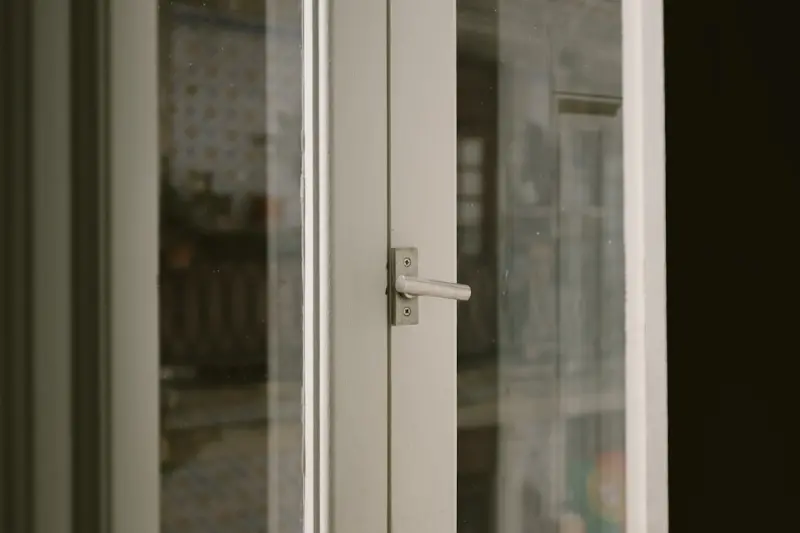
Beyond the Frame: How Windows & Doors Are Shaping Modern Workplaces
Windows and doors are more than architectural elements; they’re strategic assets that drive energy... Read More
Top Posts

The Future of Home Construction: Sustainable Trends to Watch
The home construction industry is undergoing a significant transformation, with a growing focus on sustainable practices and eco-friendly innovations. Learn abo...Read More

Sensor‑Enabled Waterproofing: Building a Zero‑Leak Future
Explore how sensor‑enabled waterproofing converts passive barriers into active, data‑driven systems that detect moisture before damage occurs, delivering co...Read More

Concrete Gets Smart: Turning Slabs into Business Sensors
Smart concrete turns ordinary slabs into intelligent platforms, providing real‑time data for predictive maintenance, energy optimization, and enhanced safety,...Read More

Smart Window Treatments: Light, Privacy, and Energy Mastery
A comprehensive guide on choosing, installing, and maintaining window treatments that balance light, privacy, and energy savings, complete with smart tech tips ...Read More
0 Comments
Post Comment
You will need to Login or Register to comment on this post!