
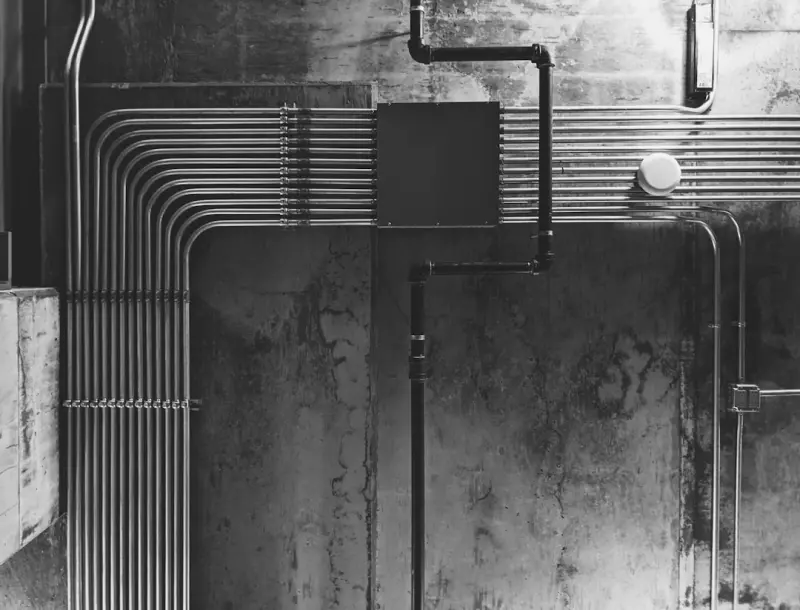
Why Plumbing is the Next Frontier for Smart Home Innovation
When you think about “smart home,” the first things that pop up are usually lights, thermostats, or voice assistants. As someone who has spent decades wrenching beneath basements and crawling through crawlspaces, I’ve learned that the plumbing system is the silent workhorse that makes a house livable. Yet it’s also the most vulnerable—prone to leaks, pressure spikes, and hidden corrosion. The good news? The same sensors and analytics that power predictive service models in HVAC are now being applied to pipes, fixtures, and water mains. The result is a wave of proactive, data‑driven plumbing that not only saves water but also protects your home’s structure and your wallet.
The Old “Fix‑When‑It‑Breaks” Mentality is Dead
For generations, homeowners have accepted that a burst pipe is an inevitable disaster—something that happens, you call a plumber, and hope the damage isn’t catastrophic. This reactive mindset is expensive and wasteful. According to industry estimates, undetected leaks can waste up to 10,000 gallons of water per year in a typical single‑family home. That’s not just a bill‑shocker; it’s a sustainability nightmare.
Enter the era of continuous water monitoring. Modern flow sensors, pressure transducers, and even acoustic detectors can feed real‑time data to cloud platforms. When an anomaly—a sudden drop in pressure or an unexpected surge in flow—appears, the system sends an alert to your phone before water even reaches the floor. It’s the same philosophy that turned HVAC from a reactive to a predictive service, and it’s transforming plumbing in ways most homeowners haven’t imagined.
Key Technologies Powering the Plumbing Revolution
- IoT Flow Meters: Small, clamp‑on devices that measure the volume of water moving through a pipe every second. They can differentiate between a faucet being turned on and a pipe that’s leaking behind the wall.
- Pressure Sensors: Installed at strategic points (main line, water heater, upstairs fixtures) to detect pressure drops that indicate a leak or blockage.
- Acoustic Leak Detectors: Use high‑frequency sound analysis to “listen” for the hiss of water escaping from a pipe, even if the water is hidden behind concrete.
- Smart Valves: Motorized shut‑off valves that can automatically close when a leak is detected, limiting water damage to a few minutes of flow.
- AI‑Driven Analytics: Machine‑learning models that learn your household’s normal usage patterns and flag deviations that might otherwise go unnoticed.
From Data to Action: How the System Works
Imagine this scenario: It’s 2 a.m., and a pipe under your kitchen sink has started to drip. In a traditional setup, you might not notice until the morning, when the floor is soggy and the water bill spikes. With a smart plumbing network, the flow meter detects a minute but steady increase in consumption. Within seconds, the AI model classifies the pattern as “potential leak” and sends a push notification: “Unusual water flow detected in Kitchen. Tap to view details.”
From your phone, you can:
- View the exact location of the anomaly on a floor plan.
- Activate the smart valve to shut off water to that branch instantly.
- Schedule a service appointment with a plumber who receives the diagnostic data ahead of time, cutting down on guesswork.
This level of control not only prevents water damage but also reduces insurance claims and keeps your home’s structural integrity intact—a benefit that directly ties into proactive building core strategies you may already be familiar with.
Water Quality Meets Smart Monitoring
Leak detection isn’t the only frontier. Modern homes are also concerned about the quality of the water they drink, bathe in, and use for cooking. Advanced sensors can now measure:
- pH levels
- Hardness (calcium and magnesium content)
- Chlorine residuals
- Potential contaminants such as lead or bacteria
When thresholds are breached, the system can alert you to install a filtration unit or schedule a professional water test. This proactive stance helps you avoid the dreaded scenario of having to replace appliances or, worse, facing health issues from contaminated water.
Integrating Plumbing with Energy Efficiency
Water heating is one of the biggest energy draws in a household. By combining smart plumbing data with energy‑smart insulation solutions, you can fine‑tune the temperature of water at the point of use. For example, a sensor can detect that a shower is being used and temporarily boost hot water flow, while a smart thermostat reduces boiler output when the house is empty. The synergy between water and heat management can slash utility bills by up to 15%.
Preventing Water‑Related Mold Before It Starts
Leaks and excess moisture are the breeding ground for mold—a problem that’s not just unsightly but also a health hazard. By catching leaks early, smart plumbing directly contributes to preventing water‑related mold. Moreover, some systems can integrate with humidity sensors in basements or bathrooms, triggering dehumidifiers or ventilation fans when moisture levels rise.
Cost Considerations: ROI on Smart Plumbing
It’s natural to ask, “Is all this tech worth the investment?” Here’s a quick breakdown:
| Item | Average Cost | Potential Savings |
|---|---|---|
| IoT Flow Meter Kit (3 sensors) | $250‑$350 | Up to 30% reduction in water waste |
| Smart Shut‑Off Valve | $150‑$200 per valve | Avoidance of $1,500‑$5,000 in water damage |
| AI Subscription (annual) | $120‑$200 | Reduced service calls, optimized water heating |
When you factor in the average cost of a water‑damage repair—often exceeding $4,000—the payback period can be as short as 12‑18 months. Plus, there’s the intangible value of peace of mind and protecting your home’s resale value.
Choosing the Right Professionals
Not every plumber is equipped to install or service IoT devices. Look for technicians who:
- Hold certifications in low‑voltage and data communications.
- Are familiar with cloud‑based monitoring platforms.
- Partner with reputable sensor manufacturers.
Many forward‑thinking plumbing companies now offer a “digital retrofit” service—essentially a plumbing upgrade that includes sensors, valves, and a subscription to a monitoring dashboard. When interviewing candidates, ask about their experience with predictive maintenance and request case studies that demonstrate successful leak prevention.
Future Trends: From Reactive Repairs to Continuous Optimization
Looking ahead, the convergence of plumbing, AI, and sustainability will bring a few exciting developments:
- Self‑Healing Pipes: Materials infused with micro‑capsules that release sealants when a crack forms.
- Water‑Reuse Automation: Smart systems that divert greywater to irrigation or toilet flushing without manual intervention.
- Neighborhood Water Networks: Shared sensors across multiple homes that allow municipalities to detect leaks at the street level, reducing overall water loss.
These innovations will shift the plumbing industry from a “fix‑it‑when‑it‑breaks” model to one where continuous optimization is the norm. Homeowners who adopt early will enjoy lower bills, higher property values, and a smaller environmental footprint.
Getting Started: A Practical Checklist
If you’re ready to bring your home’s plumbing into the digital age, follow this simple roadmap:
- Audit Your Current System: Identify high‑risk areas—old pipe sections, basements, and water heaters.
- Start Small: Install a single flow meter on a high‑use line (e.g., the main water feed) and monitor for a month.
- Integrate Smart Valves: Choose a valve that works with your preferred platform (Apple HomeKit, Google Home, or a dedicated app).
- Set Up Alerts: Customize thresholds for flow, pressure, and quality alerts.
- Partner with a Tech‑Savvy Plumber: Ensure proper installation and future scalability.
- Review & Optimize: Use the analytics dashboard to spot trends and adjust settings for peak efficiency.
By treating plumbing as a dynamic, data‑rich system, you’ll not only prevent costly disasters but also contribute to a more sustainable future. It’s time to give the pipes the attention they deserve—and trust me, once you see the numbers on your water bill drop, you’ll wonder how you ever lived without it.

Tom Ferguson is a Canadian freelance writer with a passion for storytelling, current events, and thoughtful commentary. Drawing on years of writing experience, he shares engaging insights on a wide range of topics, bringing a uniquely Canadian perspective to his work.
Related Posts
Smart Plumbing Solutions for a Healthier, Greener Home
Smart plumbing turns ordinary pipes into a data‑driven network that detects leaks, improves water ... Read More
The Unseen Network: Mastering Your Home's Plumbing System
Plumbing often goes unnoticed until disaster strikes. This guide empowers homeowners with crucial kn... Read More
Why Subscription Plumbing Is the Smartest Move for Modern Buildings
Subscription plumbing turns traditional reactive repairs into a proactive service model, using senso... Read More
Top Posts

Embracing Sustainable Commercial Renovations: A Greener Future for Businesses
Sustainable commercial renovations offer businesses a chance to reduce their carbon footprint, improve employee well-being, and save on energy costs. Learn how ...Read More
Beyond the Basement: Modern Waterproofing Strategies for Every Surface
Explore innovative waterproofing beyond basements—transparent membranes, green sealants, and smart sensors unite to safeguard decks, roofs, and renewable ener...Read More
The Rise of Sustainable General Contracting: A New Era for Homeowners
Learn about the rise of sustainable general contracting and its benefits for homeowners. Explore eco-friendly practices and trends in the construction industry ...Read More

Bringing Nature Inside: How Biophilic Commercial Renovations Drive Business Success
Explore the power of biophilic design in commercial renovations—learn how natural elements improve health, productivity, and ROI while creating adaptable, fut...Read More
0 Comments
Post Comment
You will need to Login or Register to comment on this post!