

Why Foundations Need a Data‑First Repair Playbook
When I first started consulting for property owners, the foundation was the last thing anyone mentioned in a strategic meeting. It was the silent, unseen element that simply “held the building up.” Over the years I’ve watched that silence turn into costly surprises—cracks that widen, uneven floors that affect equipment alignment, and ultimately, a drop in asset value that could have been prevented.
In the era of data‑driven facilities management, treating a foundation as a “set‑and‑forget” component is no longer an option. This post explores a fresh perspective: building a foundation repair playbook that merges traditional engineering with modern analytics, risk modeling, and continuous performance monitoring. The goal? Not just to fix problems after they appear, but to anticipate and mitigate them before they impact operations.
The Hidden Business Impacts of a Neglected Foundation
Most facility leaders think of foundations in structural terms: concrete, steel rebar, soil bearing capacity. While those are essential, the business ramifications are often overlooked:
- Operational downtime: Even a minor settlement can misalign heavy machinery, leading to production stoppages.
- Insurance premiums: Insurers increasingly penalize properties with undocumented foundation issues.
- Tenant satisfaction: In commercial office or retail spaces, uneven floors can cause safety concerns that affect lease renewals.
- Resale and refinancing: Lenders request detailed foundation assessments before approving capital. An undocumented issue can shave millions off a building’s valuation.
These financial levers are why a proactive approach makes sense. It’s not just about preserving the concrete—it’s about protecting cash flow, reputation, and long‑term ROI.
From Reactive Repairs to Predictive Strategies
Historically, foundation repair followed a reactive model: a crack appears, a consultant is called, a patch is applied, and the cycle repeats. That model is being upended by two converging trends:
- Granular data collection: Sensors, drones, and high‑resolution imaging now provide continuous insight into settlement, moisture levels, and strain.
- Advanced analytics: Machine‑learning models can ingest this data alongside historical repair logs, weather patterns, and soil reports to forecast failure points.
When combined, they create a predictive maintenance loop that flags a potential issue weeks or months before a crack becomes visible.
Building the Data Infrastructure: A Step‑by‑Step Guide
Below is a pragmatic roadmap for facility teams that want to embed data into their foundation repair workflow.
1. Baseline Survey & Digital Twin Integration
Begin with a high‑resolution, as‑built survey of the building’s foundation. Capture laser scans, ground‑penetrating radar (GPR) results, and geotechnical bore logs. Import this dataset into a Digital Twin platform. The digital twin becomes a living, data‑rich model that can be overlaid with sensor feeds in real time.
2. Deploy a Sensor Mesh
Strategically place a network of low‑power sensors that monitor:
- Soil moisture (critical for expansive clays)
- Micro‑settlement (using tilt meters or vibrating wire strain gauges)
- Temperature gradients (which affect concrete expansion)
These devices transmit data via LoRaWAN or cellular backhaul, ensuring coverage even in basements or underground vaults.
3. Centralize Data in a Facility Analytics Hub
All sensor streams should flow into a secure cloud repository. Tag each data point with metadata (location, sensor type, timestamp). Use a time‑series database for efficient querying. At this stage, it’s vital to enforce data governance: define retention policies, access controls, and data quality checks.
4. Develop Predictive Models
Partner with data scientists or leverage out‑of‑the‑box AI services that specialize in structural health monitoring. Feed the model historical repair records, sensor trends, and external variables (e.g., rainfall, nearby construction). The output should be a risk score for each foundation segment, updated daily.
5. Integrate with Work Order Systems
When a risk score crosses a predefined threshold, automatically generate a work order in your CMMS (Computerized Maintenance Management System). Include a concise diagnostic report, recommended inspection intervals, and cost estimates. This closes the loop between prediction and action.
6. Continuous Learning & Calibration
Every repair event feeds back into the model. If a predicted high‑risk zone required minimal intervention, adjust the algorithm’s sensitivity. Over time, the model becomes more precise, reducing false positives and focusing resources on genuine threats.
Case Study: A Mid‑Size Warehouse Turns Foundation Risk into Cost Savings
One of my recent engagements involved a 150,000‑square‑foot distribution center built on a mix of sand and silty clay. The owner had experienced intermittent floor unevenness that caused pallet misalignments, leading to product damage.
We implemented the six‑step framework above. Within six months, the sensor mesh detected a slow rise in moisture content under a corner of the building after a prolonged rainy season. The predictive model flagged this zone with a 78% failure probability within the next 12 months.
Proactive mitigation—installing a perimeter drainage system and injecting a low‑viscosity grout—cost $45,000. A year later, the same area showed a stable moisture baseline, and the warehouse avoided a projected $250,000 in equipment downtime and product loss.
This example demonstrates that a data‑first foundation repair strategy can yield a 5‑to‑1 ROI when measured against the cost of reactive repairs and operational disruption.
Bridging the Gap: Aligning Stakeholders
Data alone won’t drive change; you need buy‑in from three core groups:
- Executive leadership: Present the financial impact in terms of EBITDA and risk mitigation.
- Facilities engineers: Provide training on sensor calibration, data interpretation, and model troubleshooting.
- Finance & compliance teams: Show how predictive foundation maintenance aligns with ESG (Environmental, Social, Governance) goals, especially when coupled with lower carbon‑intensive emergency repairs.
Creating a cross‑functional steering committee ensures that the foundation repair playbook becomes a corporate asset rather than an isolated engineering project.
Integrating Foundation Health with Other Predictive Programs
If you’re already leveraging predictive maintenance for electrical or HVAC systems, the same data pipelines can be expanded to include foundation monitoring. For instance, the Predictive Electrical Maintenance framework uses AI to anticipate circuit failures; adding foundation risk scores to the same dashboard gives facility managers a holistic view of asset health.
Unified dashboards reduce cognitive load and enable faster decision‑making. When a high‑risk foundation segment aligns with a critical power load, you can prioritize interventions that protect both structural integrity and operational continuity.
Future‑Proofing Foundations with Sustainable Practices
Beyond data, the materials and methods you choose for repair can influence long‑term sustainability:
- Geopolymer mortars: These low‑carbon binders provide comparable strength to Portland cement while reducing CO₂ emissions.
- Self‑healing concrete: Incorporating micro‑capsules of healing agents can seal micro‑cracks autonomously, extending service life.
- Renewable‑powered sensor networks: Solar‑assisted or kinetic energy harvesters eliminate battery replacement, cutting maintenance overhead.
When you combine predictive analytics with greener repair technologies, the foundation becomes not just a structural base but a strategic sustainability lever.
Key Takeaways for Facility Leaders
- Shift from a reactive to a predictive foundation repair mindset.
- Leverage digital twins and sensor networks to create a live model of foundation health.
- Integrate risk scores into existing CMMS workflows for seamless work order generation.
- Align cross‑functional stakeholders around ROI, ESG, and risk mitigation.
- Explore low‑carbon repair materials to enhance both durability and sustainability.
By treating the foundation as a data‑rich, continuously monitored asset, you protect your building’s physical integrity and unlock measurable financial benefits. The future of facilities management isn’t just about keeping the lights on—it’s about keeping the ground beneath them stable, smart, and sustainable.

Lifan Chen is a freelancer based in Toronto specializing in marketing. With expertise in crafting effective marketing strategies and campaigns, Lifan helps businesses grow their brand presence and reach target audiences. As a Toronto-based freelancer, Lifan combines local market insights with creative marketing skills to deliver tailored solutions for clients.
Related Posts

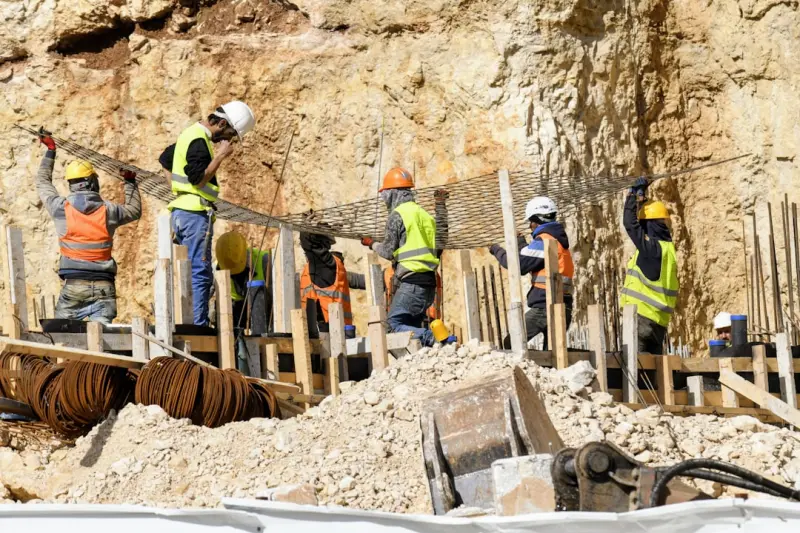
From Cracks to Confidence: Leveraging Sensor Tech for Proactive Foundation Care
A stable foundation is the unsung hero of any commercial building. Learn how modern sensor technolog... Read More
Foundation Care-as-a-Service: Predictable Structural Health
A new subscription model turns foundation repair from emergency fixes into predictable, data‑drive... Read More
Foundation Fixes That Slash Energy Bills: A Smart‑Home Perspective
Kelly Reynolds explains why fixing foundation issues can dramatically lower energy bills, integrate ... Read More
Top Posts

Regenerative Landscaping: Building a Living, Food‑Rich Garden That Works With Nature
Learn to redesign your yard with regenerative practices—soil building, native planting, rain gardens, and edible layers—for a thriving, sustainable landscap...Read More
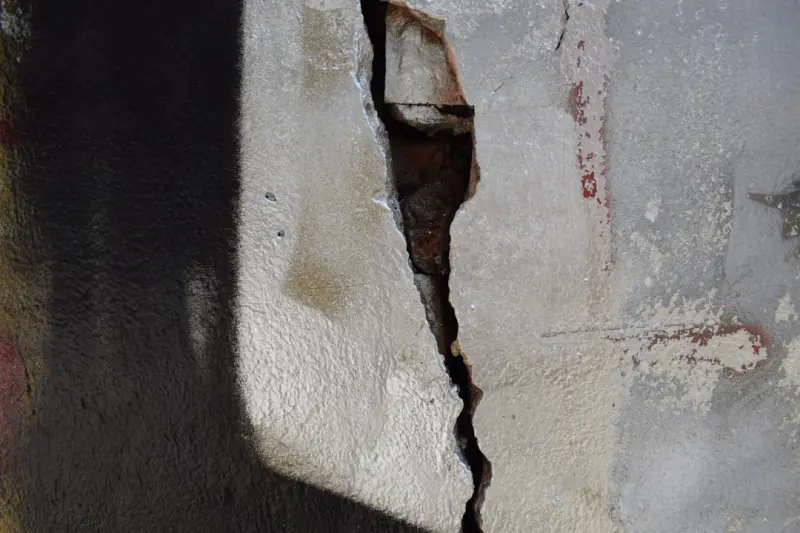
Predictive Foundation Repair: How AI Is Changing the Way We Fix Foundations
Learn why treating foundations as data‑driven assets can cut repair costs, reduce downtime, and boost sustainability, with a practical roadmap for implementat...Read More

The Untapped Value of Bathtub Refinishing for Property Owners
Bathtub refinishing offers a low‑cost, high‑impact solution for property owners, delivering substantial ROI, sustainability advantages, and improved tenant ...Read More

When Silence Sells: Harnessing Acoustic Window Treatments for Smarter Spaces
Acoustic window treatments turn sound management into a strategic asset, improving productivity, tenant satisfaction, and lease value while integrating seamless...Read More
0 Comments
Post Comment
You will need to Login or Register to comment on this post!