

Why Ignoring Small Appliance Issues Is the Biggest Money‑Leak in Your Business
When I first walked onto a commercial kitchen floor, the humming of a commercial dishwasher sounded like a distant train. It was steady, reliable, and the kind of background noise you learn to trust. A week later, the same unit sputtered, leaked, and forced the chef to scramble for a backup. The lesson was immediate and stark: a minor, unnoticed fault can cascade into a costly operational shutdown. In the world of appliance repair, the difference between a quick tweak and a full‑blown outage often comes down to how proactively you listen to the machines you depend on.
The Hidden Economics of “Just‑Work‑Enough” Repairs
Most facilities adopt a “fix it when it breaks” mindset. On the surface, it feels sensible—why spend on a service contract for equipment that appears to be running fine? The hidden economics, however, tell another story. A minor motor bearing wear that’s left unchecked can cause a refrigerator compressor to overheat, which in turn forces the system to run longer, spike energy consumption, and wear out the condenser coils faster. The resulting increase in utility bills, combined with the inevitable emergency service call, often exceeds the cost of a routine preventative service by a factor of three or more.
Data‑Rich Diagnostics: Beyond the Traditional “Listen‑and‑Look”
Today’s appliances come equipped with sensors that speak a language of voltage, temperature, vibration, and current draw. While many technicians still rely on the classic “listen for a click, look for a spark” approach, leveraging the built‑in telemetry can cut diagnosis time in half and pinpoint the exact component at fault. Imagine a washing machine that reports a 5% rise in motor temperature over three cycles. That tiny anomaly is a red flag—one that can be addressed before the motor seizes, saving hours of downtime.
For a deeper dive into how sensor‑driven insights are reshaping home comfort, check out Edge AI insights for smarter appliances. Although the focus there is HVAC, the principles apply across the appliance spectrum.
Building a Proactive Maintenance Culture
- Schedule regular visual inspections. A quick glance at door seals, hose connections, and filter cleanliness can reveal wear patterns before they become failures.
- Integrate simple sensor checks. Many commercial appliances allow you to read error codes via a handheld display. Training staff to record these codes creates a data trail you can analyze over time.
- Partner with a certified repair provider. A trusted partner can offer a “maintenance‑as‑a‑service” model that bundles quarterly check‑ups, parts replacement, and priority emergency response.
These steps may sound straightforward, but they require a cultural shift—moving from reactive firefighting to a mindset where a small, scheduled service is viewed as an investment rather than an expense.
The Role of Remote Diagnostics in Reducing Downtime
Imagine a scenario where a refrigerator reports an error code to a cloud platform, and the repair technician receives an instant alert on their tablet. Before even stepping foot on site, the technician can pull the equipment’s service history, compare the current reading to baseline performance, and even order the exact replacement part needed. This remote-first approach slashes the average response time from hours to minutes, and it dramatically reduces the “truck‑roll‑and‑wait” inefficiency that plagues many service calls.
In the realm of building systems, the same philosophy powers variable refrigerant flow technology, offering precise temperature control while conserving energy. The lesson for appliance repair is clear: remote diagnostics, when paired with a knowledgeable service crew, turn a potential crisis into a scheduled, predictable fix.
Cost‑Benefit Snapshot: Routine Service vs. Emergency Repair
To illustrate the financial impact, let’s break down a typical case study. A mid‑size bakery relies on three commercial ovens, two mixers, and a high‑capacity dishwasher. The bakery opts for a quarterly service plan costing $1,200 annually. Over the course of a year, the service team identifies three wear points—one oven heating element, a mixer drive belt, and a dishwasher pump seal. Replacements are performed during scheduled visits, each costing $150 in parts and $100 in labor.
Contrast that with a “no‑service” approach. Six months later, the dishwasher pump fails catastrophically, flooding the prep area. The emergency repair costs $800 in parts, $400 in overtime labor, plus $1,500 in lost production. The total expense surpasses the $1,200 preventative budget by more than 150%.
When DIY Meets Professional: Knowing Your Limits
There’s a strong DIY culture in the appliance world. While many simple tasks—like cleaning a lint filter or replacing a refrigerator door gasket—are perfectly safe for facility staff, more complex issues often require specialized tools and certifications. Attempting a repair without the proper knowledge can void warranties, damage delicate electronics, or create safety hazards. The smartest approach is a hybrid model: empower staff with basic maintenance training, but keep a qualified technician on call for anything beyond the basics.
Environmental Upside: Extending Appliance Lifespan
Every avoided replacement translates to fewer resources extracted, fewer emissions from manufacturing, and less waste headed for landfills. In an era where corporate sustainability metrics are under the microscope, extending the lifespan of existing appliances can contribute meaningfully to your ESG goals. Moreover, many local jurisdictions now impose stricter disposal regulations on commercial appliances, meaning that premature replacements can trigger compliance costs.
Future‑Proofing Your Appliance Fleet
When selecting new equipment, prioritize models that support over‑the‑air (OTA) updates and have open diagnostic ports. These features enable future software upgrades and make remote monitoring possible from day one. Additionally, look for manufacturers that provide comprehensive service documentation and parts availability for at least ten years—a crucial factor in avoiding “orphaned” equipment that becomes impossible to repair.
Putting It All Together: A Practical Checklist
- Audit your current appliance inventory. Identify age, warranty status, and any known recurring issues.
- Implement a sensor‑based monitoring plan. Even basic temperature or vibration sensors can flag anomalies early.
- Schedule a quarterly maintenance contract. Use this as an opportunity to update firmware, clean components, and replace wear items.
- Train staff on basic diagnostics. Teach them to read error codes, log trends, and perform routine cleaning.
- Choose manufacturers with OTA capabilities. Future‑proof your fleet for remote updates and diagnostics.
By treating appliance repair as a strategic operational function rather than an afterthought, you’ll protect your bottom line, boost reliability, and even earn points on sustainability reports. In the end, the true value lies not in the occasional emergency call, but in the quiet confidence that your equipment will keep humming, just like that first commercial dishwasher I met on the job floor.

David MacKinnon is a dynamic freelance writer known for his captivating storytelling and keen insights into the world of technology. With a passion for exploring the intersection of innovation and everyday life, he crafts engaging narratives that not only inform but also inspire his readers.
Related Posts

Predictive Maintenance: The Future of Appliance Repair
Discover how proactive, data‑driven maintenance can prevent costly appliance breakdowns, improve e... Read More
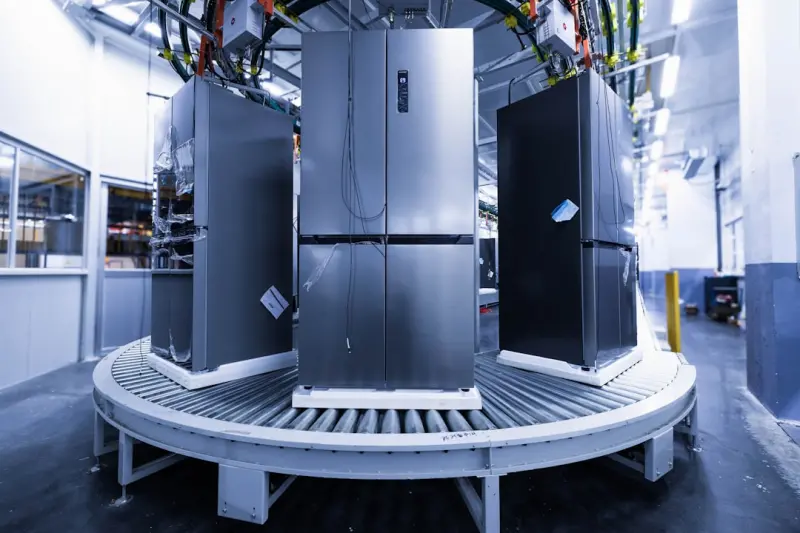
Turning Appliance Downtime into Competitive Advantage
Explore how data‑driven maintenance, remote diagnostics, and a hybrid repair culture can transform... Read More
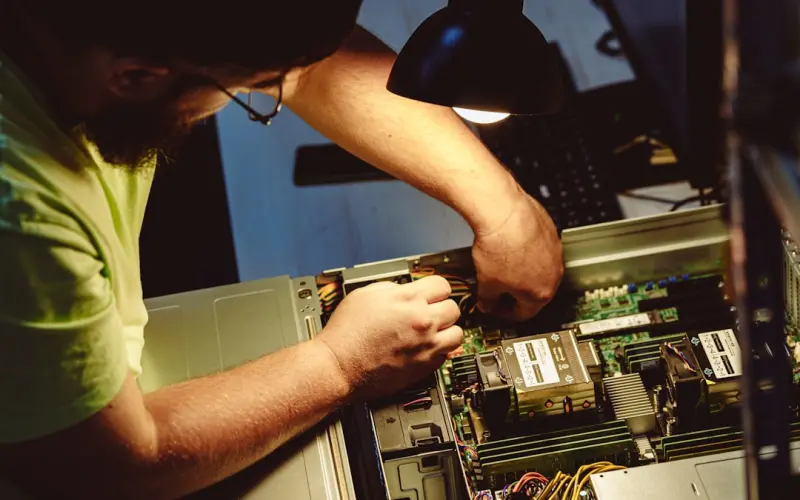
Why Proactive Appliance Repair Is Your Next Competitive Edge
A deep dive into turning appliance repair from a costly surprise into a proactive, data‑driven str... Read More
Top Posts
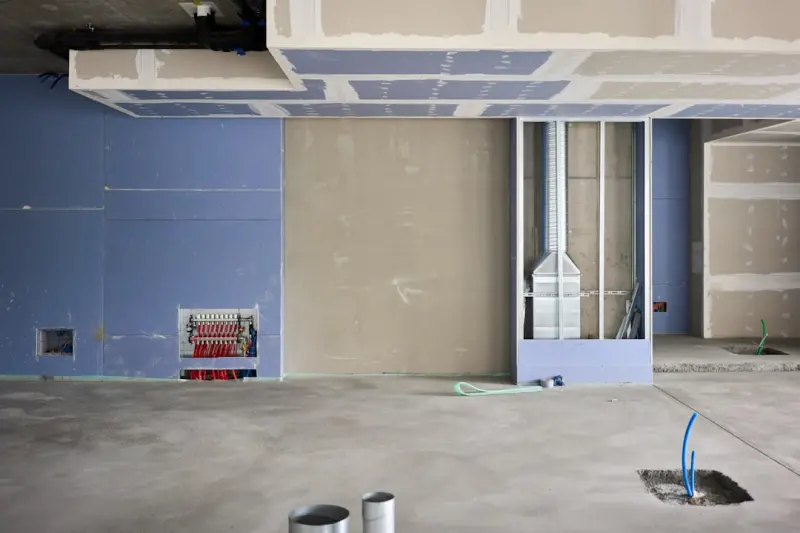
Beyond the Board: Mastering Sustainable Drywall Techniques
Learn how to choose, install, and maintain sustainable drywall, integrating smart wiring and eco‑friendly finishes for healthier, long‑lasting interiors....Read More

Mastering the Human Side of General Contracting: Relationships, Data, and Continuous Growth
A fresh look at general contracting that puts people, real‑time data, and ongoing learning at the core of every successful build....Read More

Predictive Permit Intelligence: Turning Data Into Faster Project Starts
A data‑driven approach to construction permits can reveal hidden bottlenecks, reduce idle time, and transform regulatory uncertainty into a strategic advantag...Read More

Building a Future‑Proof Foundation: Science, Materials, and Smart Monitoring
A seasoned contractor shares cutting‑edge strategies—soil testing, green materials, and sensor tech—to build foundations that stand the test of time....Read More
0 Comments
Post Comment
You will need to Login or Register to comment on this post!