
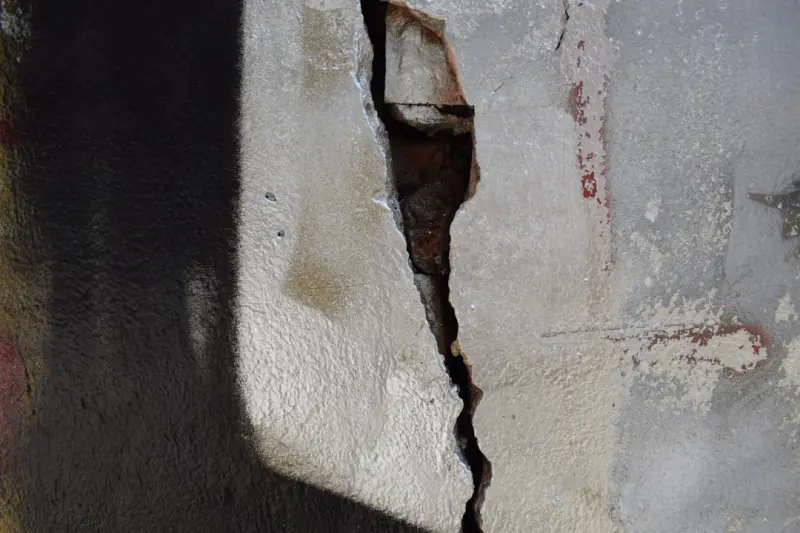
Why Foundations Need a Brain: Moving From Reactive Fixes to Predictive Repair
When a building’s foundation starts to shift, most owners instinctively call a contractor, roll up their sleeves, and wait for the cracks to widen before taking action. It’s a pattern that has persisted for centuries, and while it often gets the job done, it also drags out downtime, inflates budgets, and jeopardizes occupant safety. In today’s data‑rich environment, there’s a better way: treat the foundation like any other critical asset and give it a brain.
Predictive foundation repair isn’t about replacing the old “inspect‑once‑a‑year” checklist with a fancier spreadsheet. It’s about embedding sensors, leveraging AI‑driven analytics, and creating a continuous feedback loop that tells you exactly when—and where—to intervene. The result? A foundation that stays solid, maintenance costs that drop dramatically, and a property that retains value far longer than its conventional peers.
The Hidden Cost of Ignoring Early Warning Signs
Every structural engineer knows that small movements in a slab or a few hairline cracks in a concrete wall can be the first whispers of a larger problem. Yet, the typical response is still reactive: wait for a visible failure, then scramble for a fix. This approach carries hidden costs that go far beyond the price of the repair itself:
- Operational downtime: Tenants may need to vacate while the repair crew works, leading to lost revenue.
- Accelerated degradation: Water intrusion, soil erosion, or repeated load cycles can magnify a minor issue into a structural crisis.
- Financing penalties: Lenders often view ongoing foundation concerns as a risk, which can affect loan terms.
When you compare these indirect costs to the expense of installing a sensor network and analytics platform, the math quickly tips in favor of proactive monitoring.
How IoT Sensors Turn a Static Structure Into a Living System
Modern IoT devices are tiny, rugged, and remarkably affordable. When strategically placed, they can track a range of parameters that are essential to foundation health:
- Strain gauges: Measure micro‑deformations in concrete and steel.
- Moisture probes: Detect water infiltration in soil and around footings.
- Temperature & humidity sensors: Capture seasonal expansion and contraction patterns.
- Vibration accelerometers: Identify unusual load events from nearby construction or traffic.
All this data streams to a cloud‑based platform where machine‑learning models compare real‑time readings against historical baselines. When an anomaly crosses a pre‑defined threshold, the system automatically alerts the facilities team, schedules a site inspection, and even suggests the most effective repair technique based on prior outcomes.
From Data to Decision: The Role of AI in Foundation Health
Raw sensor data is only as good as the insights it generates. This is where artificial intelligence shines. By feeding millions of data points from thousands of buildings into a learning algorithm, the platform can identify patterns that human eyes would never notice:
- Predicting soil settlement rates based on moisture trends and local geology.
- Estimating the remaining service life of a reinforced concrete slab under varying load conditions.
- Recommending targeted epoxy injection versus full‑depth underpinning based on crack propagation speed.
These predictive outputs let owners allocate resources with surgical precision—addressing the right problem at the right time, rather than throwing money at generic, one‑size‑fits‑all repairs.
Financial Modeling: Demonstrating ROI on Predictive Foundation Programs
One of the biggest hurdles to adopting new technology is proving its financial merit. Here’s a simple framework to quantify the return on investment (ROI) for a predictive foundation repair program:
- Baseline cost analysis: Calculate current annual spending on reactive repairs, including labor, materials, tenant loss, and financing penalties.
- Technology investment: Add the upfront cost of sensors, installation, and subscription fees for the analytics platform.
- Risk mitigation savings: Estimate the reduction in unexpected failures based on historical failure rates and the expected detection improvement (often 60‑80%).
- Operational efficiency gains: Factor in reduced inspection time and lower labor costs thanks to targeted interventions.
- Net present value (NPV): Use a standard discount rate to compare the long‑term cash flow benefits against the initial outlay.
In practice, many owners see an ROI of 2‑3 × within the first three years, especially when the building is part of a larger portfolio where economies of scale amplify the savings.
Integrating Predictive Foundation Repair With Existing Maintenance Workflows
Predictive technology doesn’t exist in a vacuum. To get the most out of it, you need to weave it into the broader property‑management ecosystem. Here are three practical steps:
- Link to existing CMMS: Feed alerts directly into your Computerized Maintenance Management System so work orders are generated automatically.
- Align with renovation planning: Use the data to inform decisions in the renovation checklist—for instance, scheduling underpinning work alongside a lobby remodel to minimize disruption.
- Collaborate with specialty contractors: Share predictive reports with foundation specialists so they can prepare the right equipment and materials before arriving on site.
When these pieces click together, the foundation becomes just another line item on your strategic asset‑management roadmap, rather than an unexpected nightmare.
Sustainable Foundations: Reducing Environmental Impact While Extending Service Life
Beyond cost savings, predictive repair aligns with sustainability goals. Traditional foundation repair often involves extensive excavation, concrete demolition, and the transport of heavy materials—each of which generates carbon emissions. By intervening early and precisely, you can:
- Limit the amount of new concrete required, reducing the embodied carbon of the project.
- Minimize soil disturbance, preserving native vegetation and reducing erosion.
- Extend the usable life of existing structural elements, delaying the need for full‑scale reconstruction.
These environmental benefits can be quantified and reported to green‑building certification programs, adding another layer of value for owners and tenants alike.
Case Study: Turning a Historic Warehouse Into a Future‑Ready Asset
Consider a 120‑year‑old brick warehouse that was slated for conversion into mixed‑use office space. The original foundation showed signs of settlement, and the owners faced a choice: demolish the existing footings (costing millions) or implement a predictive repair strategy.
They installed a network of strain gauges and moisture sensors along the perimeter walls and under the main load‑bearing columns. The AI platform flagged a slow‑moving settlement pattern in the southeast quadrant, correlated with rising groundwater levels.
Armed with this insight, the project team performed targeted micro‑piling beneath the affected columns, a fraction of the cost and time of full underpinning. The predictive approach not only saved $1.2 million in direct repair costs but also kept the construction schedule on track, allowing the office tenants to move in three weeks earlier than planned.
Post‑completion, the sensor network remained active, providing ongoing monitoring that helped the property manager maintain the building’s structural integrity for the next decade.
Choosing the Right Partner: What to Look For in a Predictive Foundation Platform
Not all sensor‑analytics solutions are created equal. When evaluating vendors, keep an eye on these critical capabilities:
- Scalability: Can the system handle dozens of sites and hundreds of sensors without a performance hit?
- Integration APIs: Does it play nicely with your existing CMMS, BIM, and IoT ecosystems?
- Domain expertise: Look for partners with a proven track record in structural engineering, not just generic IoT providers.
- Transparent algorithms: Ensure the AI models are explainable, so you can trust the recommendations.
- Support and training: A robust onboarding program and responsive technical support are essential for long‑term success.
Bringing Predictive Repair In‑House vs. Outsourcing
Some organizations choose to build an internal data science team to own the predictive model, while others prefer to outsource to a specialist provider. Both approaches have merits:
- In‑house: Greater control over data, customization of algorithms, and potential for proprietary insights.
- Outsourced: Faster implementation, access to a broader knowledge base, and reduced burden on internal resources.
The right choice depends on the size of your portfolio, the technical talent you have, and how quickly you need to see results.
Future Trends: What’s Next for Foundation Health Monitoring?
Predictive repair is still in its early days, but several emerging technologies promise to push the envelope even further:
- Edge computing: Processing data locally on the sensor node to reduce latency and bandwidth usage.
- Digital twins: Creating a real‑time virtual replica of the building’s foundation that updates automatically with sensor inputs.
- Self‑healing concrete additives: Materials that can seal micro‑cracks on their own, reducing the frequency of interventions.
- Blockchain for data integrity: Ensuring that sensor data is tamper‑proof, which is especially valuable for insurance claims and compliance audits.
By staying attuned to these developments, owners can keep their foundations not just sound, but smart.
Take the First Step: A Practical 5‑Point Action Plan
Ready to move from “fix‑when‑it‑breaks” to a data‑driven foundation strategy? Follow this simple roadmap:
- Audit your current foundation health: Conduct a visual inspection and compile any existing reports.
- Identify pilot locations: Choose a building or a specific zone where settlement risk is highest.
- Deploy a sensor kit: Install strain gauges, moisture probes, and temperature sensors in the pilot area.
- Partner with an analytics provider: Integrate the sensor data with a platform that offers AI‑driven alerts.
- Review and iterate: After three months, evaluate the alerts, refine thresholds, and expand the rollout across your portfolio.
Even a modest pilot can yield valuable insights, demonstrate ROI, and build confidence for a broader adoption. As the saying goes, “a stitch in time saves nine”—but with predictive technology, it also saves thousands of dollars.
Conclusion: Foundations Deserve the Same Smart Treatment as Any Other Asset
In a world where every piece of equipment—from HVAC units to lighting fixtures—is being retrofitted with sensors and predictive analytics, it’s only logical that foundations join the club. By embracing IoT, AI, and data‑centric workflows, property owners can turn a historically reactive discipline into a proactive, cost‑effective, and sustainable pillar of their real‑estate strategy.
Whether you’re managing a single historic building or a multi‑site commercial portfolio, the tools are now affordable and the expertise is available. The question isn’t if you should adopt predictive foundation repair, but when you’ll let the next crack become a costly lesson.

Tom Ferguson is a Canadian freelance writer with a passion for storytelling, current events, and thoughtful commentary. Drawing on years of writing experience, he shares engaging insights on a wide range of topics, bringing a uniquely Canadian perspective to his work.
Related Posts

The Importance of Foundation Repair in Sustainable Home Maintenance
Foundation repair is crucial for sustainable home maintenance. Learn how to prevent damage and ensur... Read More
Strategic Foundation Repair for Long-Term Asset Value
A data‑driven, sustainable approach to foundation repair transforms a hidden liability into a stra... Read More
When Foundations Crumble: A Veteran Contractor’s Blueprint for Sustainable Repairs
A seasoned contractor reveals how to diagnose, stabilize, and sustainably repair foundation problems... Read More
Top Posts

Reclaiming Heritage: How Reused Wood Breathes New Life into Home Restoration
Explore the power of reclaimed wood in home restoration, from sourcing and preparation to design strategies that blend historic character with modern sustainabi...Read More
Why Modern Roofs Should Be Smart, Sustainable, and Stylish
Explore innovative roofing strategies that blend smart sensors, sustainable materials, and artistic design to create a roof that protects, saves energy, and enh...Read More

Reimagining Furniture Restoration: Craft Meets Science
A deep dive into merging traditional woodworking skills with modern science, offering step‑by‑step diagnostics, material selection, and protective strategie...Read More

Transforming Your Garage Into a Smart, Sustainable Powerhouse
Learn to upgrade your garage with smart tech, sustainable materials, and flexible layouts that boost functionality, energy savings, and home value....Read More
0 Comments
Post Comment
You will need to Login or Register to comment on this post!