

Why Hand‑Cut Joinery Matters Today
In an era where CNC routers and digital design dominate the workshop, the tactile satisfaction of shaping a joint by hand feels almost revolutionary, inviting makers to reconnect with the rhythm of wood grain and the patience of centuries‑old craftsmanship. Hand‑cut joinery isn’t just a nostalgic nod; it provides structural integrity that modern fasteners often can’t match, because the wood fibers are interlocked rather than merely pressed together, resulting in furniture that sings under load and ages gracefully. By choosing to master these time‑tested techniques, woodworkers gain a deeper respect for material honesty, a skill set that translates into more thoughtful design decisions and a quieter, more intentional studio environment.
The Foundations of Traditional Tools
Before the buzz of electric motors, a woodworker’s toolbox consisted of a few faithful companions: the marking gauge, the hand saw, the chisels, and the plane, each demanding respect, skill, and a measured hand, turning simple cuts into expressive lines that guide the joinery process. Understanding the geometry of a shoulder blade or a dovetail cutter allows the artisan to anticipate wood behavior, reducing waste and increasing confidence when the blade meets the grain, a dance of push and pull that no automated system can replicate. Investing time in sharpening and maintaining these tools not only extends their lifespan but also deepens the tactile feedback that tells you whether a cut is clean, whether a mortise is true, and whether a tenon will fit like a whispered secret.
Choosing the Right Wood for Precision Joinery
Not all timber is created equal when it comes to hand‑cut joints; dense hardwoods such as cherry, walnut, and maple hold their shape under pressure, providing a reliable canvas for intricate mortise‑and‑tenon or dovetail work, while softer species like pine may compress, leading to loose fits and premature failure. Grain orientation plays a crucial role, as a quarter‑sawn board resists cupping and warping, ensuring that the joint remains tight even as humidity shifts, a subtle yet vital consideration for pieces destined for long‑term use. By selecting wood that balances stability, workability, and aesthetic appeal, the maker crafts a narrative in which each joint tells a story of intentional choice and material reverence.
Mastering the Mortise‑and‑Tenon
The mortise‑and‑tenon joint, a staple of furniture making for millennia, remains a benchmark of craftsmanship because it fuses two members with a strength that rivals metal fasteners when executed with care, especially when the tenon is fitted with a snug, dry fit that swells into place over time. Achieving this precision begins with laying out a clear mortise depth and width using a marking gauge, followed by chiseling the cavity in measured increments, constantly testing the fit to avoid over‑removing material, a process that teaches the woodworker the virtue of patience and incremental progress. When the tenon slides home, the tactile confirmation of a perfect grain‑to‑grain kiss offers a moment of quiet triumph, reinforcing the belief that true strength emerges from patient, deliberate hand work.
Secrets of the Dovetail Joint
Few joints capture the eye and the imagination like the dovetail, its interlocking tails and pins resembling a bird’s wing in flight, a visual testament to both structural ingenuity and artistic flair, especially when the tails are cut on a dovetail saw and the pins are refined with a fine‑toothed chisel. The secret lies in setting the angle—typically between 7 and 14 degrees—based on wood species, as a tighter angle yields stronger resistance to tension in soft woods, while a broader angle showcases elegance in dense hardwoods, allowing the maker to tailor both function and aesthetic. The final step, a gentle mallet tap that settles the joint, creates a seamless bond without glue, a reminder that centuries of tradition still hold relevance in contemporary design.
Integrating Modern Design Aesthetics
While the techniques are ancient, the visual language of today’s interiors calls for clean lines, minimal ornamentation, and a seamless blend of form and function, prompting makers to reinterpret traditional joints as subtle accents rather than overt statements, allowing the grain and joinery to whisper rather than shout. By pairing a hand‑cut mortise‑and‑tenon table leg with a sleek, powder‑coated steel apron, designers create a dialogue between past and present, where the warmth of wood counters the coolness of metal, enhancing both visual balance and tactile experience. This approach encourages creators to think beyond pure utility, positioning each joint as a decorative element that contributes to a cohesive, modern narrative.
Building a Portable Workshop for Hand‑Cut Projects
Space constraints often force woodworkers to compromise on tool layout, but a thoughtfully designed portable workshop can house a workbench, a bench vise, and a selection of hand tools within a compact footprint, enabling the freedom to chase inspiration wherever it strikes. A sturdy, reclaimed timber frame—similar to the ideas shared in building a wooden shed—provides a stable platform for precise cuts while allowing the entire unit to be rolled or disassembled for storage, turning any garage or patio into a temporary studio. Incorporating built‑in lighting, a pegboard for tool organization, and a fold‑out bench extends the functionality of the space, ensuring that the constraints of a small area never limit the ambition of hand‑cut joinery projects.
Sustainable Sourcing and Reclaimed Timber
Modern makers are increasingly aware that the story of a piece of furniture begins before the first cut, and sourcing reclaimed timber not only reduces waste but also adds character—weathered patinas, nail holes, and subtle discolorations become intentional design cues that celebrate a wood’s previous life. By salvaging beams from old barns or planks from decommissioned structures, artisans can create pieces that embody a circular economy, echoing the principles explored in regenerative landscaping where every material serves multiple purposes over time. This mindful approach invites woodworkers to trace the provenance of each board, select species that match the intended joint performance, and ultimately produce work that is both environmentally responsible and rich with narrative depth.
Putting It All Together: A Small‑Scale Masterpiece
When the final piece is assembled—perhaps a modest coffee table featuring a hand‑cut dovetail apron, a mortise‑and‑tenon base, and a reclaimed walnut top—the result is more than furniture; it is a tactile manifesto of patience, skill, and sustainable practice, a tangible proof that hand‑cut joinery can thrive alongside digital tools without losing its soul. The process of measuring, marking, cutting, and fitting each joint teaches the maker to listen to the wood, to adjust expectations, and to celebrate incremental progress, turning a simple project into a lifelong lesson in craftsmanship. As the table takes its place in a living room, the quiet strength of its joints whispers to all who sit nearby that true beauty is forged not just in design, but in the deliberate, measured hands that bring it to life.

When it comes to the world of blogging and writing, Rose DesRochers is a name that stands out. Her passion for creating quality content and connecting with her audience has made her a trusted voice in the industry. Aside from her skills as a writer and blogger, Rose is also known for her compassionate nature.
Related Posts
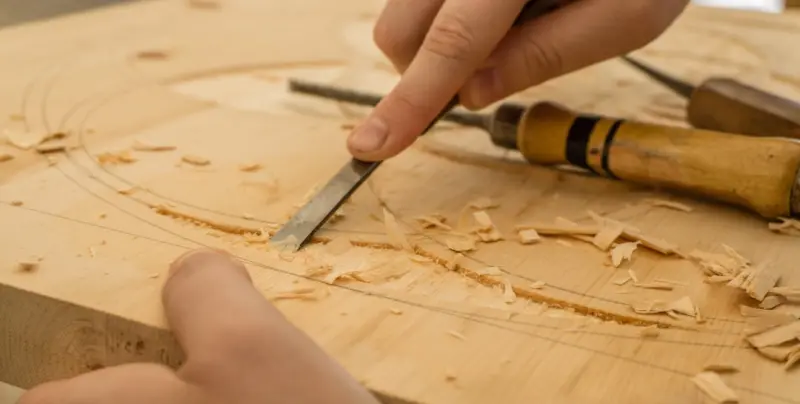
Building Calm: How Mindful Woodworking Transforms Workspaces
Explore the transformative power of mindful woodworking, a practice that blends tactile craftsmanshi... Read More
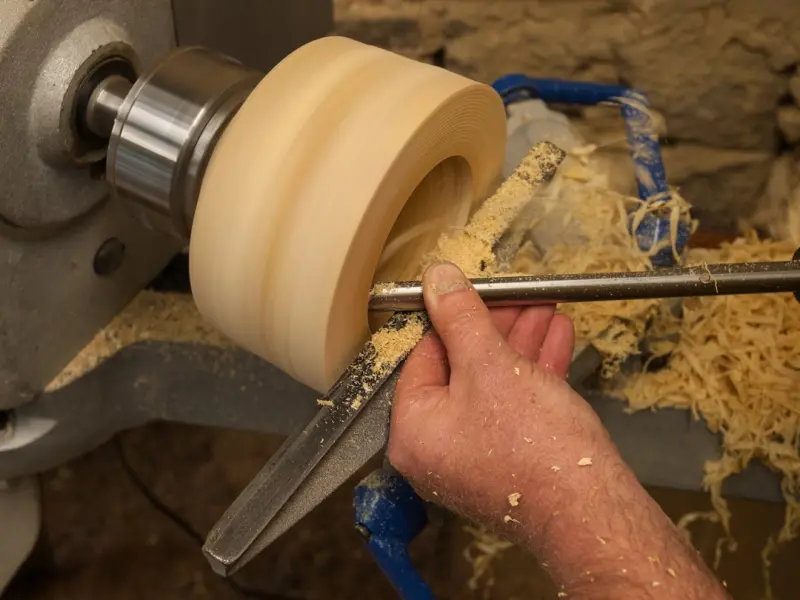
Turning Scraps into Signature Pieces: A Woodworker’s Journey with Reclaimed Materials
Explore the art of transforming reclaimed timber into beautiful, sustainable furniture. Follow exper... Read More
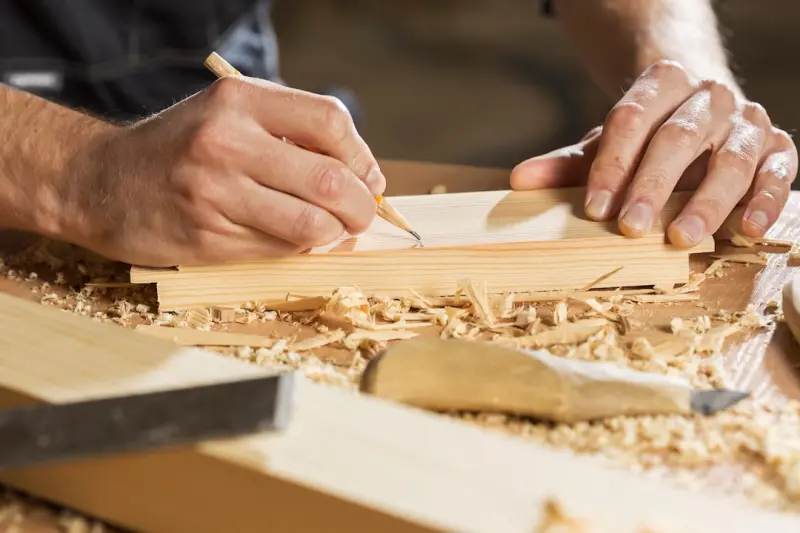
The Art of Sensory Woodworking: Crafting Spaces That Feel as Good as They Look
Discover a fresh approach to woodworking that goes beyond visual appeal—learn to design pieces tha... Read More
Top Posts

Harvesting Rain: How Modern Gutter Systems Power Sustainable Buildings
Rain‑harvesting gutters transform a simple roof accessory into a powerful sustainability tool, delivering water savings, protecting foundations, and enhancing...Read More

The Future of Waterproofing: Sustainable Solutions for a Greener Tomorrow
As the construction industry continues to grow, sustainable waterproofing solutions are becoming increasingly important. Learn how eco-friendly materials and te...Read More

Mastering Construction Permits: A Strategic Playbook for Faster Approvals and Smarter Projects
Discover how to turn construction permits from a bottleneck into a strategic advantage using early research, digital platforms, sustainability alignment, and co...Read More

Why Modern Roofs Should Be Smart, Sustainable, and Stylish
Explore innovative roofing strategies that blend smart sensors, sustainable materials, and artistic design to create a roof that protects, saves energy, and enh...Read More
0 Comments
Post Comment
You will need to Login or Register to comment on this post!