
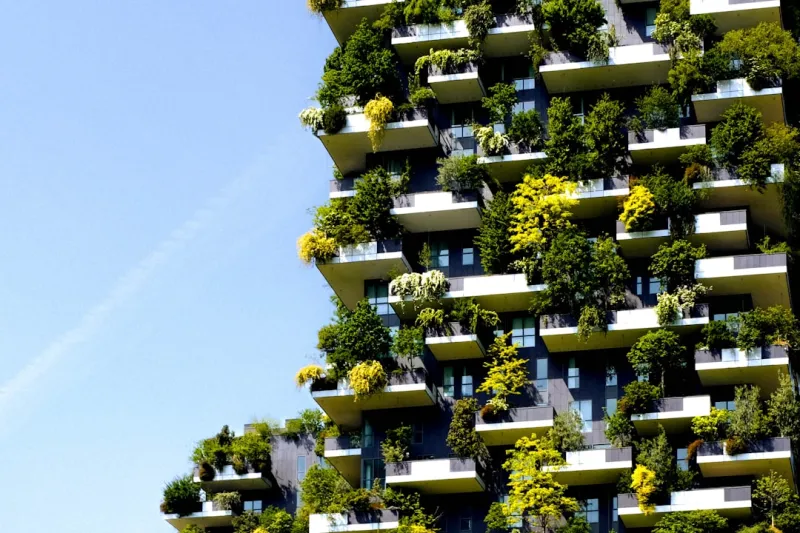
The Evolution of Wallpapering: Sustainable Solutions for a Greener Tomorrow
The world of interior design is constantly evolving, and one area that has seen significant changes in recent years is wallpapering. Once a staple of home decor, wallpaper fell out of favor in the 1980s and 1990s, only to experience a resurgence in popularity in recent years. However, with the growing awareness of environmental issues, the wallpaper industry has had to adapt and innovate to meet the demands of eco-conscious consumers. In this article, we will explore the evolution of wallpapering and the sustainable solutions that are revolutionizing the industry.
The History of Wallpapering
Wallpaper has been a popular form of interior decoration for centuries. The earliest recorded use of wallpaper dates back to ancient China, where it was used to adorn the walls of imperial palaces. In Europe, wallpaper became popular during the 18th century, with designs inspired by Chinese and Indian motifs. The Industrial Revolution made mass production of wallpaper possible, and it became a staple of home decor in the 19th and early 20th centuries. However, with the rise of modernism and minimalism, wallpaper fell out of favor, and many people turned to paint as a more modern and low-maintenance alternative.
The Resurgence of Wallpapering
In recent years, there has been a resurgence of interest in wallpaper, driven in part by the desire for unique and personalized interior design. With the advent of digital printing, wallpaper manufacturers can now produce high-quality, bespoke designs that cater to individual tastes. Additionally, the rise of social media has made it easier for people to share and discover new design trends, including wallpaper. As a result, wallpaper has become a popular choice for homeowners looking to add a statement piece to their interior design.
Sustainable Solutions in Wallpapering
However, with the growing awareness of environmental issues, the wallpaper industry has had to adapt and innovate to meet the demands of eco-conscious consumers. One of the main concerns with traditional wallpaper is the use of non-renewable resources, such as paper and vinyl, which can contribute to deforestation and greenhouse gas emissions. In response, many manufacturers have turned to sustainable materials, such as recycled paper and natural fibers like grasscloth and hemp.
Eco-Friendly Wallpaper Materials
Some of the eco-friendly materials being used in wallpaper production include:
- Recycled paper: Made from post-consumer waste, recycled paper wallpaper is a sustainable alternative to traditional paper.
- Natural fibers: Materials like grasscloth, hemp, and bamboo are biodegradable and renewable.
- Bioplastics: Made from renewable biomass sources, such as corn starch or sugarcane, bioplastics offer a sustainable alternative to traditional vinyl.
These eco-friendly materials not only reduce the environmental impact of wallpaper production but also offer a range of benefits, including improved indoor air quality and reduced waste.
The Benefits of Sustainable Wallpapering
The benefits of sustainable wallpapering are numerous. Not only do eco-friendly materials reduce the environmental impact of wallpaper production, but they also offer improved indoor air quality and reduced waste. Additionally, sustainable wallpapering can help to promote a healthier indoor environment, which is especially important for people with allergies or sensitivities. By choosing sustainable wallpaper, homeowners can create a beautiful and healthy space that also benefits the environment.
The Role of Design in Sustainable Wallpapering
Design plays a crucial role in sustainable wallpapering. By choosing designs that incorporate eco-friendly materials and sustainable production methods, homeowners can create a space that is not only beautiful but also environmentally responsible. Some popular design trends in sustainable wallpapering include:
- Minimalist designs: Simple, minimalist designs can help to reduce waste and minimize the environmental impact of wallpaper production.
- Natural patterns: Incorporating natural patterns, such as botanical prints or abstract geometric patterns, can add visual interest to a space while promoting sustainability.
- Reclaimed materials: Using reclaimed materials, such as vintage wallpaper or repurposed fabric, can add a unique and eco-friendly touch to a space.
The Future of Wallpapering
The future of wallpapering looks bright, with sustainable solutions leading the way. As consumers become more eco-conscious, manufacturers are responding with innovative products that prioritize the environment. The construction industry as a whole is shifting towards sustainability, and wallpapering is no exception. By embracing eco-friendly materials and production methods, the wallpaper industry can reduce its environmental impact and create a more sustainable future.
Conclusion
In conclusion, the evolution of wallpapering has led to a more sustainable and eco-friendly industry. With the use of recycled materials, natural fibers, and bioplastics, wallpaper manufacturers can now produce high-quality, sustainable products that meet the demands of eco-conscious consumers. By choosing sustainable wallpaper, homeowners can create a beautiful and healthy space that also benefits the environment. As the industry continues to innovate and adapt, we can expect to see even more sustainable solutions in the future. And with the help of sustainable home additions, such as eco-friendly roofing and insulation, homeowners can create a truly sustainable and environmentally responsible home.
Final Thoughts
As we look to the future of wallpapering, it's clear that sustainability will play a major role. With the growing awareness of environmental issues, consumers are demanding more eco-friendly products, and manufacturers are responding. By embracing sustainable materials and production methods, the wallpaper industry can reduce its environmental impact and create a more sustainable future. Whether you're a homeowner looking to update your interior design or a manufacturer looking to innovate, sustainable wallpapering is an exciting and rapidly evolving field that offers endless possibilities.

Tom Ferguson is a Canadian freelance writer with a passion for storytelling, current events, and thoughtful commentary. Drawing on years of writing experience, he shares engaging insights on a wide range of topics, bringing a uniquely Canadian perspective to his work.
Related Posts

Data‑Driven Wallpaper: Turning Walls into Insight Engines
Wallpaper is evolving from decorative finish to a data‑rich platform that supports brand analytics... Read More
Smart Wallpaper: Sustainable Patterns & Personalization
Wallpaper is evolving from a decorative afterthought into a strategic, tech‑enabled surface that o... Read More
When Wallpaper Gets Smart: The Future of Walls in a Connected Home
Modern wallpaper is evolving from mere décor to a multifunctional platform, embedding sensors for c... Read More
Top Posts
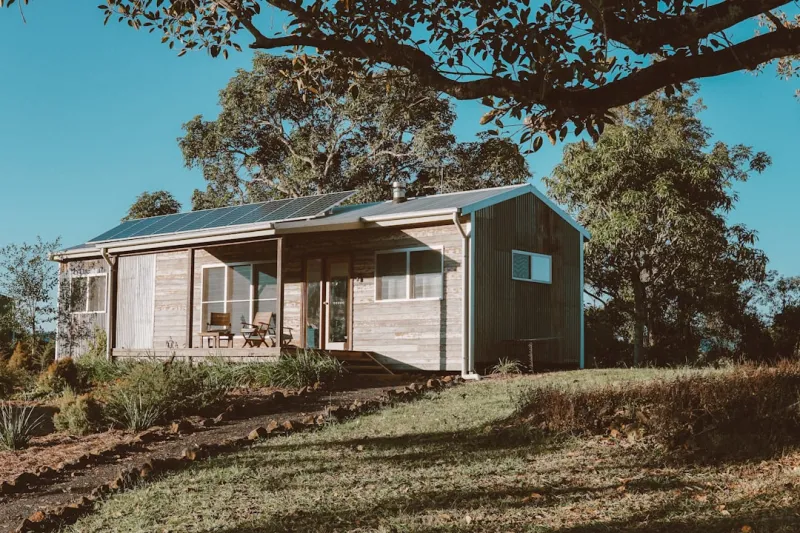
How I Turned My Home Into a Sustainable Smart Sanctuary
From energy inspections to smart lighting and reclaimed materials, follow my hands‑on journey turning a regular home into a sustainable, tech‑savvy sanctuar...Read More

When Fences Go Digital: The New Frontier of Intelligent Perimeter Solutions
Fences are evolving from static barriers into dynamic, data‑rich assets. Discover how modular design, sensor integration, and energy harvesting turn perimeter...Read More

Digital Twins on the Jobsite: Turning Data into Construction Gold
A practical guide for general contractors on implementing digital twins, from sensor deployment to real‑time analytics, showing how data‑driven insights can...Read More
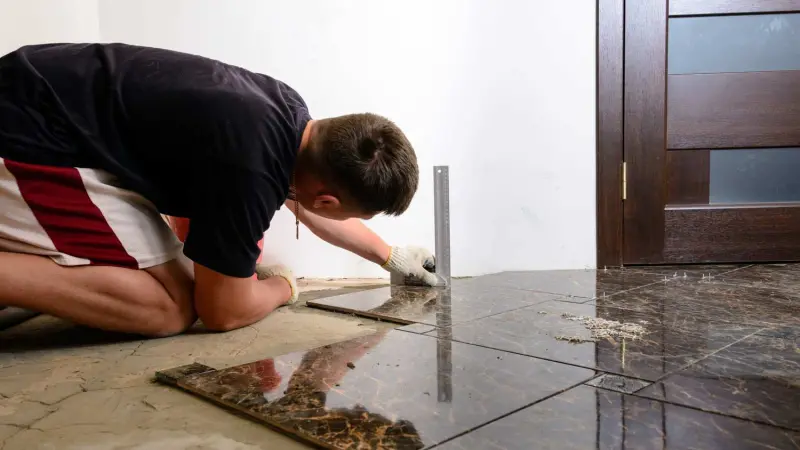
Tile Mastery: From Subfloor Secrets to Future‑Proof Design
Learn insider tips on preparing subfloors, choosing durable tiles, mastering grout, and adding smart features to create a timeless, future‑ready tiled space....Read More
0 Comments
Post Comment
You will need to Login or Register to comment on this post!