

The Quiet Power of Data‑Driven Wallpaper: Turning Walls into Insight Engines
When most people think about wallpaper, they picture a splash of pattern that masks imperfections and adds a dash of personality to a room. I’ve spent decades swinging hammers, laying drywall, and wrestling with adhesives, and I’ve learned that the humble wallcovering can be far more than a decorative veneer. In today’s hyper‑connected workplaces, walls are becoming silent data hubs that inform everything from brand perception to employee well‑being. This post dives into how forward‑thinking firms are repurposing wallpaper as an active component of their operational toolkit, without sacrificing aesthetics.
Why Wallpaper Deserves a Second Look
Traditional interior finishes—paint, tile, and plain drywall—are static. They look good, they protect, but they don’t talk back. Wallpaper, especially the newer digitally‑printed varieties, offers a canvas that can embed functional layers beneath its decorative surface. Think of it as a “skin” for your office that can sense, display, and even interact with its environment.
- Visual storytelling at scale: Brands can roll out location‑specific narratives that change with campaigns, all without repainting or reinstalling signage.
- Embedded sensors: Conductive inks and thin‑film technologies allow temperature, humidity, and occupancy data to be harvested directly from the wall.
- Modular upgrades: Unlike fixed fixtures, wallpaper panels can be swapped out quickly, keeping the space fresh and the data flow current.
What makes this shift possible is the convergence of three trends: high‑resolution digital printing, printable electronics, and a growing appetite for sustainable, low‑impact materials. Together they enable a wallcovering that does more than please the eye.
From Pattern to Platform: The Technology Stack
At the heart of data‑driven wallpaper is a three‑layer architecture:
- Surface layer: The visible design—whether a bold geometric print or a subtle, nature‑inspired motif.
- Functional layer: A thin polymer film embedded with printable circuitry, RFID tags, or luminescent pigments that react to light or motion.
- Adhesive backer: Modern, low‑VOC adhesives that secure the panels while allowing for easy removal and reuse, supporting a circular approach to interior design.
Manufacturers are now offering “plug‑and‑play” kits where a simple wall‑mounted hub reads sensor data and pushes it to a building management system (BMS) or a brand analytics dashboard. The result? Real‑time insight into how a space is used, how it feels, and how it can be optimized.
Use Cases That Are Reshaping Office Strategy
1. Brand Pulse Monitoring
Imagine a global consulting firm that rolls out a new visual identity. Instead of printing large banners, they install wallpaper that subtly incorporates QR codes and NFC spots. Employees and visitors can tap their phones to receive contextual content, while the system logs interaction rates. This data reveals which design elements resonate, guiding future creative decisions.
2. Occupancy and Space Utilization
By embedding passive infrared (PIR) sensors into the wallpaper, facilities teams can map foot traffic without adding separate motion detectors that clutter ceilings. Heat maps generated from wall data help identify under‑used meeting rooms, prompting re‑allocation or redesign.
3. Indoor Air Quality (IAQ) Alerts
Humidity and VOC sensors woven into the wallcovering can trigger alerts when conditions drift outside optimal ranges. When combined with an eco‑focused plastering approach that emphasizes low‑emission substrates, the entire envelope works toward healthier indoor environments.
4. Adaptive Lighting and Mood
Electroluminescent inks allow sections of wallpaper to glow in response to daylight levels, creating dynamic ambience that supports circadian rhythms. Employees report increased focus and reduced eye strain, a subtle but measurable boost to productivity.
Designing for Data Without Sacrificing Style
The biggest misconception is that functional wallpaper must look “techy.” In practice, the most successful installations blend seamlessly with the interior narrative. Designers collaborate with technologists to embed functionality beneath patterns that echo the company’s ethos. For example, a firm that champions sustainability might choose a botanical print made from recycled fibers, while the underlying sensors monitor the room’s micro‑climate.
Key design considerations include:
- Scale of pattern: Large motifs hide sensor seams better than intricate, small‑scale prints.
- Color contrast: Light backgrounds improve the readability of QR or NFC elements.
- Material breathability: Permeable substrates prevent moisture buildup, extending sensor lifespan.
Implementation: A Step‑by‑Step Playbook
- Audit your goals: Determine whether you need brand analytics, occupancy data, IAQ monitoring, or a combination.
- Select a partner: Look for manufacturers that specialize in printable electronics and have a track record of sustainable production.
- Prototype a pilot zone: Start with a high‑traffic area—reception, lobby, or an open‑plan hub—to test sensor accuracy and user interaction.
- Integrate with existing systems: Connect the wallpaper hub to your BMS, analytics platform, or marketing automation tool via standard APIs.
- Train staff: Provide quick guides on how to engage with the interactive elements; encourage feedback loops.
- Iterate and scale: Use the data collected to refine patterns, sensor placement, and integration points before rolling out to other floors.
Because the adhesive layer is designed for reuse, you can replace panels as campaigns evolve, keeping both the visual and data layers fresh without generating waste.
Addressing Common Concerns
Durability
Modern printable electronics are encapsulated in protective polymers that resist scratches and cleaning chemicals. For high‑traffic corridors, opt for a higher‑grade finish with a UV‑blocking topcoat.
Privacy
Data collected from wall‑embedded sensors is typically non‑identifiable—temperature, motion, and interaction counts. If you incorporate QR or NFC for user‑specific actions, ensure compliance with data‑privacy regulations and provide opt‑out options.
Cost
While the upfront expense exceeds traditional wallpaper, the ROI manifests in multiple ways: reduced signage costs, better space utilization, lower HVAC energy consumption via IAQ‑driven adjustments, and richer brand insights that inform marketing spend.
The Future Landscape: Wallpaper Meets the Internet of Things
We are on the cusp of a new era where every surface can participate in the digital fabric of a building. Wallpaper is poised to become a cornerstone of that ecosystem, especially as acoustic window treatments and other architectural elements embrace similar sensor‑infused designs. Imagine a coordinated environment where walls, windows, and floors share data, orchestrating lighting, temperature, and even background music to match the rhythm of the day.
For facilities leaders, the message is clear: ignore the wall at your peril. The next wave of operational intelligence may be hiding behind the very surface you thought was purely decorative.
By treating wallpaper as a living interface rather than a static finish, organizations can unlock hidden efficiencies, deepen brand engagement, and foster healthier spaces—all while staying true to a design‑first philosophy. The quiet power of data‑driven wallcoverings is already here; it’s up to you to let your walls start talking.

David MacKinnon is a dynamic freelance writer known for his captivating storytelling and keen insights into the world of technology. With a passion for exploring the intersection of innovation and everyday life, he crafts engaging narratives that not only inform but also inspire his readers.
Related Posts
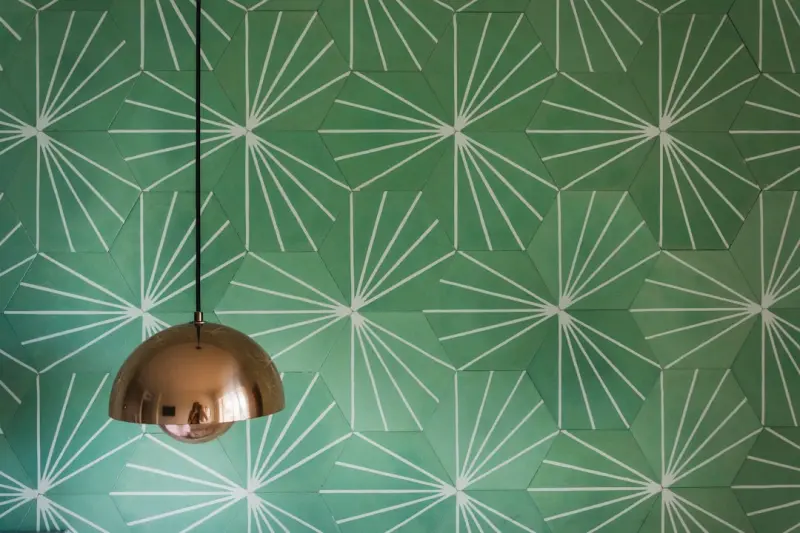
Beyond Plain Walls: How Next‑Gen Wallpaper Is Shaping Modern Interiors
Modern wallpaper blends acoustic performance, AI‑generated designs, eco‑conscious materials, and... Read More

When Wallpaper Meets Technology: Interactive, Air‑Purifying, and Smart Solutions
Discover the rise of tech‑infused wallpaper—digital skins, bio‑active layers, and sensor‑emb... Read More

Wallpapering as a Strategic Tool for Modern Workspaces
Explore the untapped potential of wallpaper in workspaces—from acoustic benefits and brand storyte... Read More
Top Posts

Winter’s Secret Weapon: Turning Snow Removal into a Sustainable, Community‑Driven Routine
Discover a fresh, sustainable approach to snow removal that blends clever tools, eco‑friendly de‑icing, tech aids, and neighborly teamwork for a smoother, s...Read More
Beyond the Board: Mastering Sustainable Drywall Techniques
Learn how to choose, install, and maintain sustainable drywall, integrating smart wiring and eco‑friendly finishes for healthier, long‑lasting interiors....Read More
The Rise of Smart, Sustainable Window Treatments
Discover how smart fabrics, automation, and sustainable materials are transforming window treatments into essential tools for comfort, style, and energy efficie...Read More
Why Modern Home Alarms Are Becoming Strategic Safety Hubs
Home alarms are evolving from noisy deterrents to intelligent, networked safety hubs. This article examines AI‑driven detection, seamless smart‑home integra...Read More
0 Comments
Post Comment
You will need to Login or Register to comment on this post!